Gaza Herald – Nearly 200 days after the ceasefire agreement came into effect in October 2025, the belief that the war has ended has proven to be misleading. While the scale of Israeli military attacks has decreased, the overall situation remains complex, marked by continued attacks and deepening humanitarian, economic, and political crises.
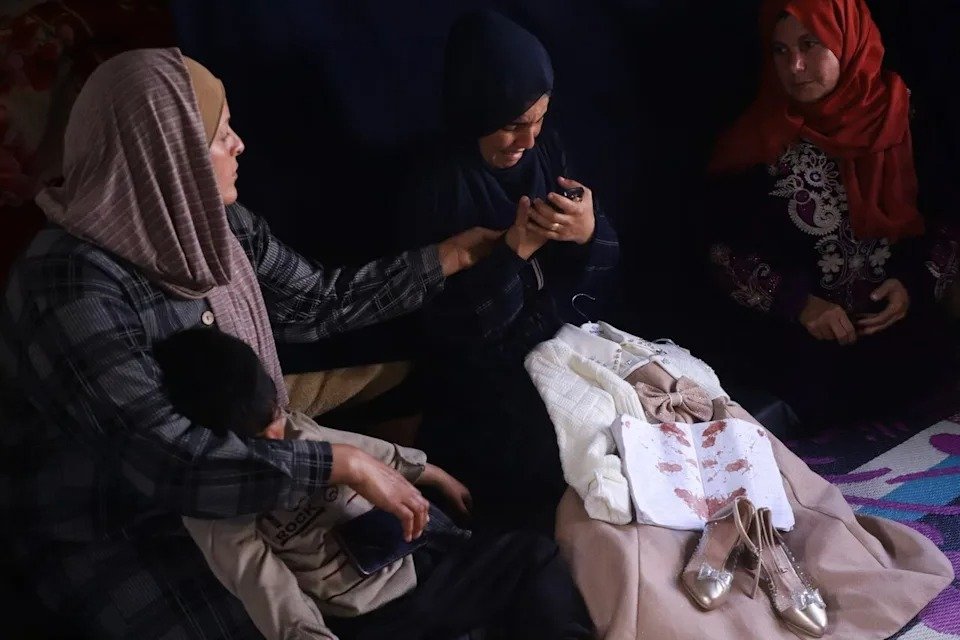
Field data and reports indicate that ceasefire violations continue on a near-daily basis. More than 3,000 breaches have been recorded, including incidents of direct gunfire, airstrikes, military incursions into residential areas, and the detonations of Palestinian homes and infrastructure. According to the Palestinian Ministry of Health, the death toll since the ceasefire has reached 817 fatalities, with 2,296 injuries and 762 bodies recovered. Since October 7, 2023, the cumulative toll has risen to 72,593 killed and 172,399 injuries.
Large areas of Gaza remain under direct Israeli military control, particularly in eastern and northern zones known as the “yellow line,” which now covers approximately 58% of the territory. This reality has created a fragile security and socio-economic environment, where residents experience not true peace, but rather a reduced intensity of conflict accompanied by ongoing threats and instability.
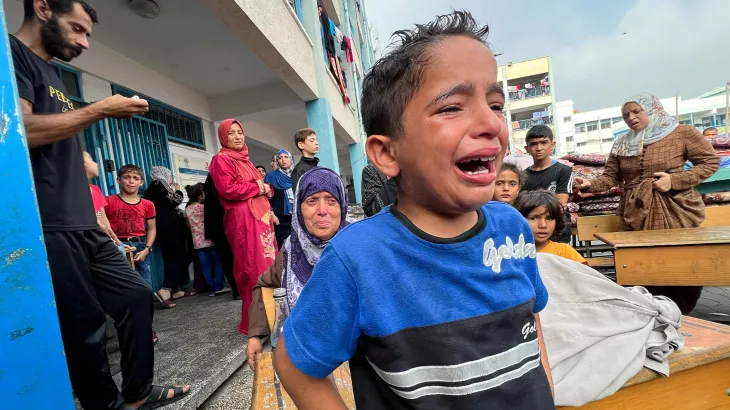
Humanitarian conditions remain severe. Around 90% of Gaza’s population has been forcibly displaced at least once, often multiple times, with most now living in tents or temporary shelters lacking basic services. Overcrowding has intensified as habitable areas continue to shrink, placing immense pressure on limited space and resources. Access to clean water, food, and electricity remains critically limited, while the healthcare system is nearing collapse.
Despite provisions in the ceasefire agreement allowing for the entry of 600 aid trucks per day, actual deliveries have fallen far short, reaching only about 39% of the agreed amount. Fuel supplies are even more restricted, at roughly 14.9% of required levels, severely impacting essential services such as electricity, water, and sanitation.
Economically, Gaza is facing near-total collapse. Infrastructure destruction is widespread, and reconstruction efforts are stalled due to restrictions on building materials and heavy equipment. Direct economic losses are estimated at around $70 billion, reflecting extensive damage across vital sectors. Agricultural production has been severely impacted as eastern farmlands have become military zones, increasing reliance on external aid.
Unemployment and poverty rates have surged, while local markets suffer from instability due to fluctuating availability of goods, driven by strict control over crossings and supply chains. This has left residents in a constant state of economic uncertainty.
The healthcare sector continues to operate under extreme pressure. Shortages of medicines and medical supplies persist, with 59% of essential drugs and 37% of medical disposables completely depleted. More than 18,500 patients require medical evacuation, including around 4,000 children. Hospitals rely heavily on generators, which are at risk of shutting down due to shortages of fuel, spare parts, and maintenance supplies.
Despite the passage of time since the ceasefire, Gaza remains in a state that can best be described as neither war nor peace. The absence of large-scale offensives has not translated into stability. Instead, residents continue to endure a prolonged crisis defined by ongoing Israeli violations, systemic deprivation, and a persistent lack of security.