Gaza Herald – A senior medical official in southern Gaza has warned that the territory’s healthcare system has deteriorated to the point where it functions only in a formal, symbolic structure lacking real operational capacity, as widespread diagnostic paralysis and restrictive measures continue to obstruct essential medical services.
Bassem Zaqout, director of medical relief in southern Gaza, said in press remarks that restrictions imposed on the entry of medical supplies have effectively transformed the health sector into a minimal, improvised system. According to him, only basic and limited tools are occasionally permitted, while critical and specialized equipment remains blocked.
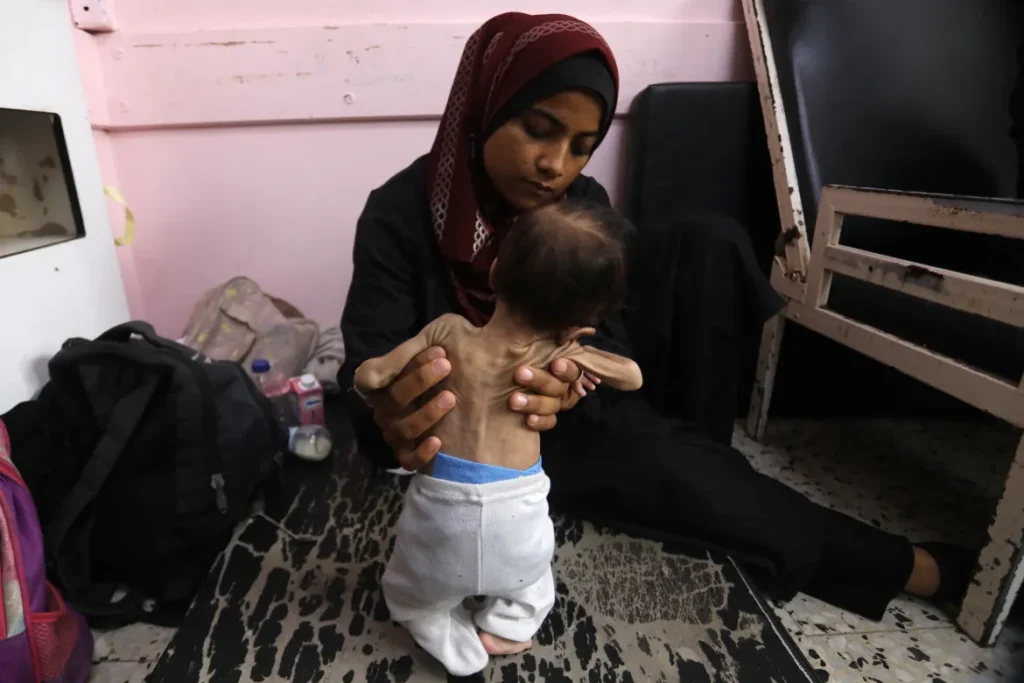
He explained that this situation has led to a near-total breakdown in diagnostic capabilities, including the absence of essential tools such as electrocardiogram (ECG) devices, hormone testing systems, and early cancer detection technologies. This is compounded by a severe medication crisis, including shortages of chronic disease treatments, antibiotics, and cancer drugs.
Zaqout added that medical teams are now forced to manage cases with extremely limited resources, without a complete treatment chain, which significantly undermines the quality and effectiveness of healthcare delivery.
He also warned of serious public health and environmental consequences resulting from worsening living conditions, including lack of clean water, accumulation of waste, and overcrowding in displacement shelters. He noted that these conditions create a high risk of disease outbreaks that would be extremely difficult to contain given the weakened medical infrastructure.
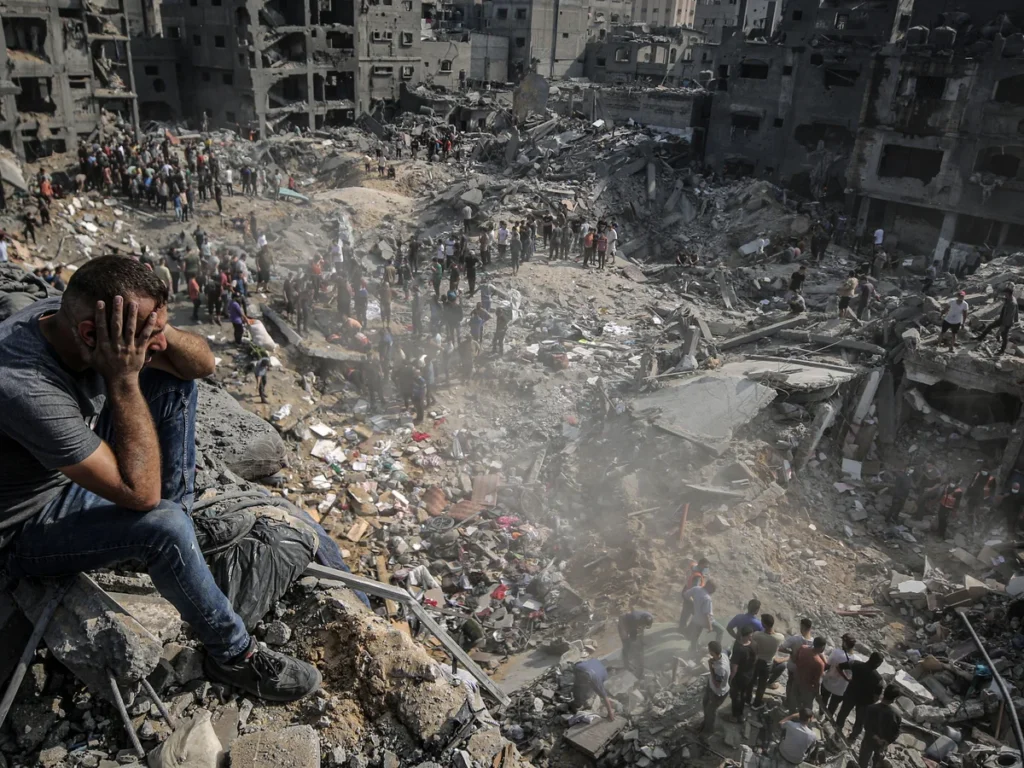
In a related context, the Undersecretary of the Ministry of Health in Gaza, Maher Shaamia, previously warned that the destruction of medical facilities and the shortage of essential services pose grave risks to civilians. Ministry data indicates that more than 1,800 health facilities have been damaged or destroyed in Israeli attacks since the beginning of the war, with total sector losses estimated at around $1.4 billion.
These warnings come amid ongoing military operations and restrictions on the Gaza Strip since October 2023, despite a declared ceasefire in October 2025, as periodic attacks and casualties continue to be reported.