Gaza Herald – The Gaza Municipality reported on Monday that during the period of the US-Israeli war on Iran, crossings into Gaza have operated at an extremely limited capacity, with only about 10% of the necessary trucks entering the Strip. The spokesperson, Hosni Mahna, described this as a deliberate reduction of essential supplies, coinciding with the international community’s focus on the regional escalation.
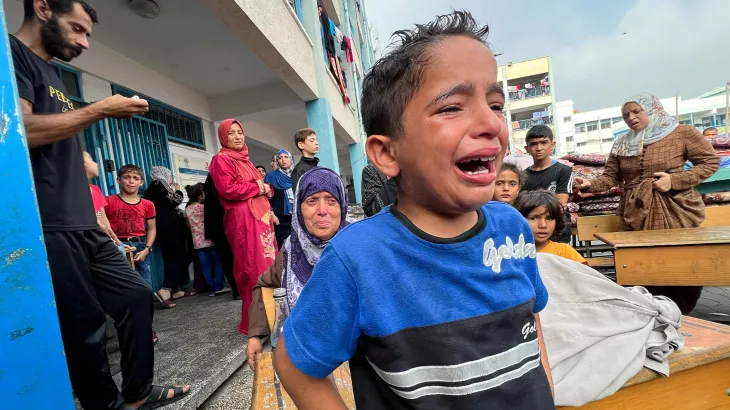
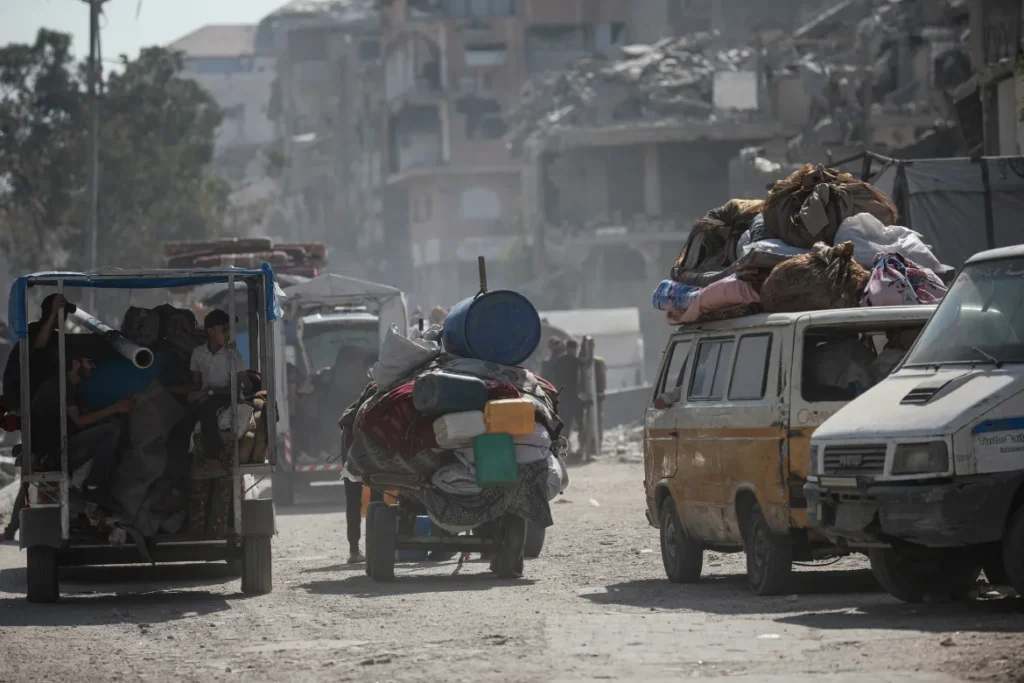
Mahna announced that Gaza is experiencing a rapidly deteriorating humanitarian situation due to the continued closure of crossings and strict restrictions imposed by Israeli authorities on the entry of aid and goods without justification. These measures directly impact the lives of over 2.4 million Palestinians.
According to Mahna, Israel has used the regional conflict to intensify its blockade policies, controlling the flow of vital supplies, including food, fuel, and other essential goods. This has led to unprecedented shortages, skyrocketing food prices, limited availability of basic commodities, and a severe crisis in fuel and cooking gas.
The fuel shortage has also severely affected vital sectors, including water and sanitation due to the shutdown of pumping and treatment stations, municipal services such as waste collection and well operations, and the health sector, which faces serious risks from the lack of fuel for generators.
Mahna warned that the continuation of these policies, alongside the regional escalation, threatens the food security of over 1.5 million people. The deteriorating purchasing power and rising poverty are further increasing the suffering of vulnerable groups, especially children, the sick, and the elderly.
He also highlighted a rise in violations and targeting of Palestinians, noting that international attention on the war in Iran is being exploited to impose further restrictions on Gaza.
The Gaza Municipality called on the international community, the United Nations, and all concerned parties to pressure Israel to fully and consistently open crossings, ensure the entry of machinery, spare parts, humanitarian aid, and fuel without restrictions, and protect essential services from regional conflict impacts.