Gaza Herald – A medical team from the Palestinian Red Crescent Society (PRCS) conducted a scientific study on the prevalence of scabies and impetigo among children in Gaza, challenging the traditional perception that these conditions are isolated cases and demonstrating that they are directly linked to disasters, war, and displacement conditions.
According to a statement released by the PRCS on Wednesday, the study spanned more than four months and was published in the international journal Scientific Reports, with indexing on PubMed, one of the most prominent global medical research databases. The study included 1,200 children, with 700 from PRCS clinics and 500 from displacement shelters. Results showed that 409 children were diagnosed with either scabies or impetigo, while 791 children were unaffected.
The research was conducted by a PRCS medical team under the supervision of Dr. Raed Abu Sariya, a dermatology specialist, with the participation of medical students from Al-Azhar University undergoing practical training.
Statistics indicate that children under 18 in Gaza number approximately 980,000, about 47% of the population, making these findings a critical indicator of the health burden on children amid displacement and ongoing genocide.
Most participants (81%) were from Deir al-Balah, with the remainder from al-Nuseirat, al-Zawayda, al-Bureij, and al-Maghazi. 56% were female, and 40% were under four years old, the age group most susceptible to these infections.
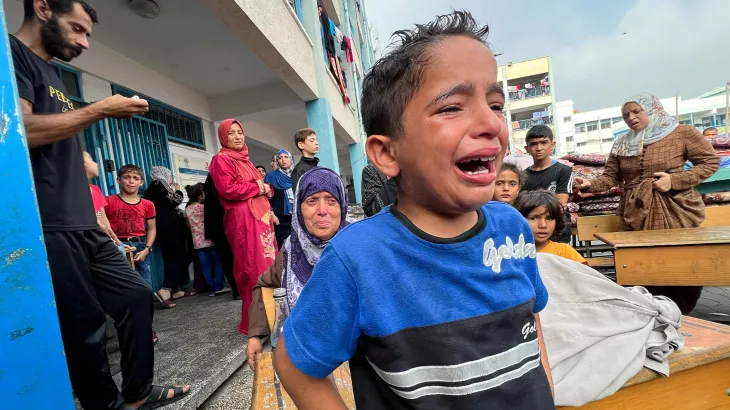
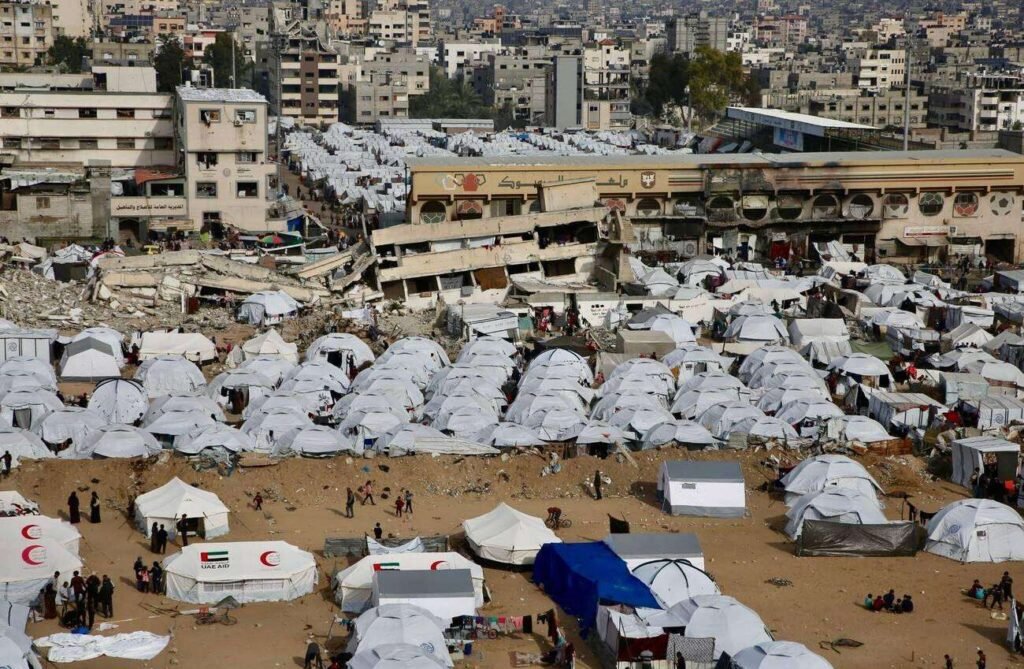
The study also highlighted the severity of displacement, with 91% of participants displaced, and overcrowded living conditions where more than 10 individuals shared the same residence in 61% of cases. Access to clean water was limited: only 44% had consistent access, while 28% had ongoing access to soap and hygiene supplies. Daily bathing was rare, reported at just 17%.
The study concluded that displacement, overcrowding, and limited access to clean water are key factors driving the spread of these diseases, confirming that they are disaster and war related rather than ordinary skin infections.
The PRCS statement emphasized that this research demonstrates the society’s critical role not only in providing emergency and medical care but also in contributing to global scientific knowledge, identifying Gaza’s health challenges, and offering practical solutions to mitigate the impact of displacement and crises on children.
The organization continues its frontline efforts, supplying children with medication, clean water, and preventive support, underscoring its work that extends from emergency response to evidence-based health policy and the protection of Gaza’s most vulnerable generations.