Gaza Herald _Forty-one Palestinians arrived in Gaza on Tuesday evening through the Rafah crossing, marking the seventh group permitted to return since the partial reopening of the border earlier this month. The process, however, remains tightly controlled and severely restricted under Israeli military authority.
The returnees were transported in World Health Organization buses and taken directly to the Nasser Medical Complex in Khan Younis, according to journalists on the ground. Like previous groups, they described undergoing prolonged interrogations and what they called humiliating searches conducted by Israeli forces controlling the Palestinian side of the crossing.
For nearly the entirety of Israel’s war on Gaza, the Rafah crossing, the only exit and entry point for most of Gaza’s more than two million residents, remained closed. It reopened partially on February 2 under the terms of a United States-brokered “ceasefire” agreement, though access remains highly selective and conditional.
Israel is currently allowing only a limited number of pre-approved individuals to cross, including Palestinians who had left during the war and were stranded abroad, as well as critically ill patients in need of medical treatment outside Gaza.
With this latest group, a total of 172 Palestinians have been allowed to return since the crossing reopened. In contrast, only 250 medical patients and their companions have been permitted to leave Gaza for treatment abroad, according to Gaza’s Government Media Office.
Medical Evacuations Far Below Promised Levels
The pace of medical evacuations has fallen dramatically short of expectations. The ceasefire framework reportedly referenced the evacuation of 50 patients per day, each accompanied by two family members. Yet the current figures remain nowhere near sufficient to meet the needs of the approximately 20,000 patients who require urgent medical care outside Gaza.
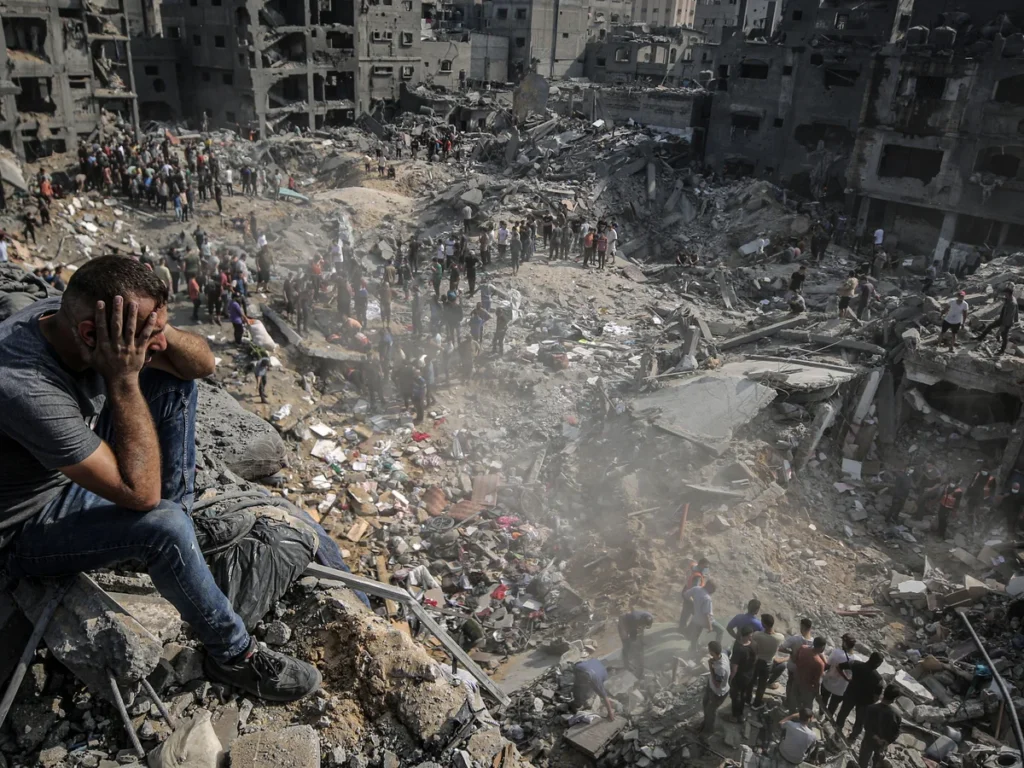
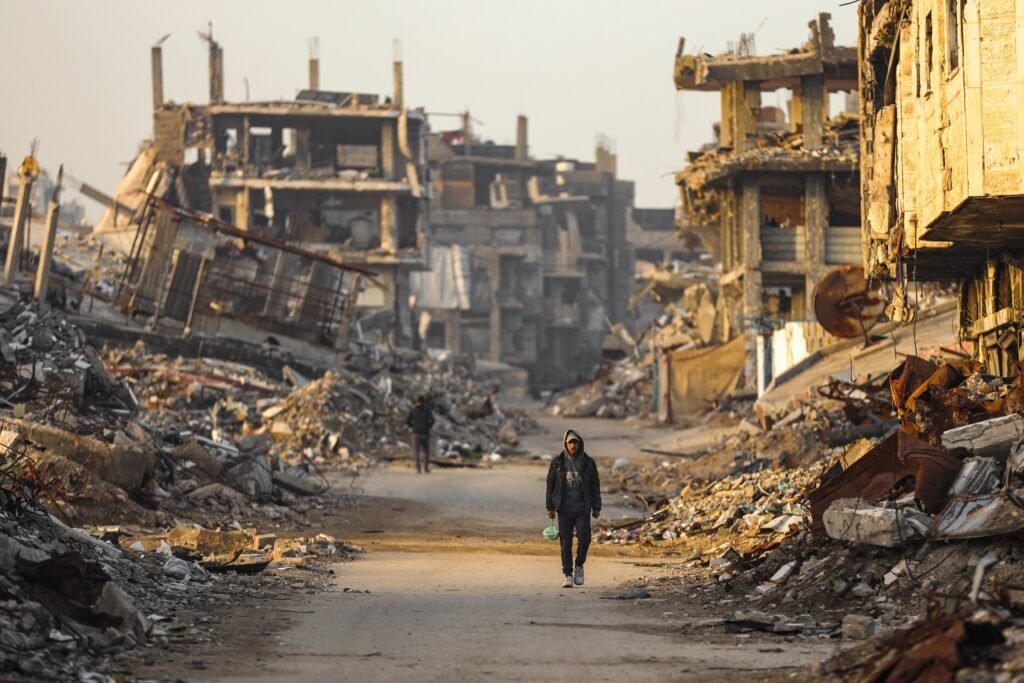
Gaza’s healthcare system has been devastated. According to the Palestinian Health Ministry, 22 hospitals have been rendered out of service, and more than 1,700 medical workers have been killed since the start of the war. The collapse of medical infrastructure has left thousands dependent on evacuation, which is proceeding at what officials describe as an “agonizingly slow” rate.
For families awaiting permission to travel, each delay carries life-or-death consequences.
Israeli Attacks Continue Despite “Ceasefire”
While the ceasefire agreement came into effect in October, Israeli military operations have continued across Gaza on a near-daily basis.
On Wednesday, a Palestinian child was wounded by Israeli gunfire in the Batn as-Sameen area, south of Khan Younis, according to medical sources cited by the Wafa news agency. Israeli air strikes and artillery shelling were also reported east of Khan Younis in areas under Israeli military control.
These incidents followed a series of attacks on Tuesday that killed at least seven Palestinians. Among them were three individuals killed by shelling and gunfire in central Gaza, and another person shot dead north of Khan Younis.
Since the ceasefire took effect in October, Gaza’s Health Ministry reports that 591 Palestinians have been killed and 1,578 injured. Overall, the death toll since the beginning of the war has reached 72,045 Palestinians.
The Government Media Office in Gaza states that Israel has committed at least 1,620 violations of the ceasefire between October 10, 2025, and February 10, 2026, including air strikes, artillery bombardment, and direct shootings.
Reacting to the continued violence, Amnesty International Secretary General Agnes Callamard stated that Israel’s “genocide of Gaza has not stopped,” emphasizing that ending such crimes would require a complete cessation of all genocidal acts and meaningful accountability for victims. “We are very, very far from such a situation,” she wrote.
Deportation Orders Raise Alarm Over Citizenship Rights
Amid ongoing military operations, Israel also announced it had approved the forced expulsion of two Palestinian citizens of Israel to Gaza after the completion of their prison sentences. The move marks the first implementation of a February 2023 law permitting the revocation of citizenship and deportation of individuals convicted of what Israel classifies as “terrorism.”
Prime Minister Benjamin Netanyahu confirmed signing the revocation and deportation orders, praising coalition members for advancing the legislation and indicating that further expulsions could follow.
The two individuals named Mahmoud Ahmad and Mohammed Ahmad Hussein al-Halsi are currently serving lengthy prison sentences for attacks carried out inside Israel. Israeli media reports that both will be deported to Gaza once their sentences are completed.
Rights groups have strongly condemned the move. Adalah, a legal center advocating for Palestinian rights in Israel, described the decision as unprecedented and warned that it allows Palestinian citizens to be physically exiled from their homeland.
In a statement, the organization said the action “violates the absolute international prohibition against statelessness and destroys the most foundational protection of citizenship.” It further argued that the government has transformed citizenship from a fundamental right into a conditional status subject to political discretion.
Hassan Jabareen, Adalah’s general director, described the measure as part of a broader campaign targeting Palestinians across all areas under Israeli control. Palestinians in Gaza are facing genocide. Palestinians in the West Bank are facing settler and military violence. And now Palestinian citizens of Israel are facing the threat of losing their citizenship,” he said.
He warned that the law could set a dangerous precedent, particularly for Palestinian citizens of Israel, who comprise roughly 20 percent of the country’s population. While the law’s language is formally neutral, Jabareen argued that its application will be politically selective. “The state has discretion in how it applies the law, and it will apply it only against Palestinians,” he said.
A Crossing Opened, a Crisis Unresolved
While the reopening of Rafah has enabled limited movement, the broader reality remains unchanged. Gaza’s borders are tightly controlled, evacuations are insufficient, attacks continue, and new legal measures raise concerns over citizenship and forced transfer.
For many Palestinians, the partial reopening of a single crossing offers only a narrow channel of movement within a wider landscape of siege, uncertainty, and ongoing violence.