Gaza Herald _A Palestinian government source has revealed that the second phase of U.S. President Donald Trump’s plan for Gaza is expected to take effect as early as next week, marking a new stage in the fragile ceasefire framework while uncertainty and violence persist on the ground.
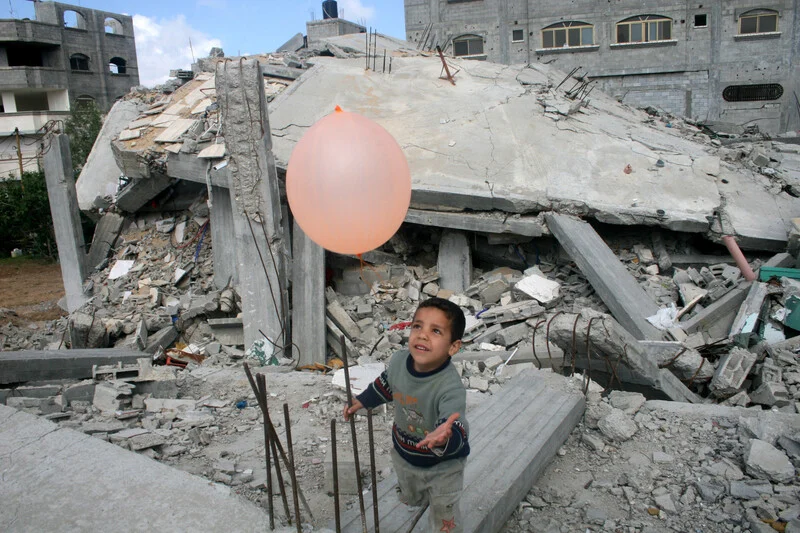
According to the source, who spoke on condition of anonymity, the upcoming phase will begin with the formal announcement of a Palestinian technocratic committee tasked with administering the Gaza Strip during the transitional period. This committee is expected to assume civil and administrative responsibilities, alongside the deployment of an international stabilization force intended to create the minimum conditions necessary for early recovery and the start of reconstruction efforts in the devastated enclave.
The source further confirmed that the Palestinian Authority plans to send police personnel to Gaza who have received training in Egypt and Jordan. These forces are expected to play a role in security arrangements during the second phase of the ceasefire, including supervising the movement of travelers to and from the Strip and contributing to internal order under the proposed framework.
In parallel, an Arab diplomatic source told Al Ittihad that Israel has agreed, in principle, to open the main road in Rafah, in southern Gaza, and to carry out land levelling for the establishment of temporary areas to house displaced Palestinian families as part of what is being described as an “early recovery” plan. However, the source stressed that Israel continues to impose political conditions, insisting on the handover of the final body of an Israeli captive before allowing reconstruction efforts to move forward—an approach widely viewed by Palestinians as collective punishment and political blackmail.
The diplomatic source added that Palestinian factions are expected to convene in Cairo later this week to discuss the mandate and responsibilities of the technocratic committee that will govern Gaza in the coming period. These talks coincide with the anticipated activation of the second phase of the ceasefire agreement and a partial Israeli withdrawal to the outskirts of the Gaza Strip, as outlined in the U.S.-backed plan.
The same source noted that the United States, working in coordination with Egyptian and Qatari mediators, is expected within days to announce the formation of the Gaza Peace Council. The council is reportedly set to hold its first meeting by the end of the month, after which its members are expected to visit Gaza to assess conditions on the ground and evaluate the implementation of agreed arrangements.
Meanwhile, regional diplomatic efforts continue. Egyptian Foreign Minister Badr Abdelatty and Jordanian Foreign Minister Ayman Safadi emphasized the necessity of preserving the unity of Palestinian territory between the West Bank and the Gaza Strip. In a phone call on Wednesday, the two ministers stressed that any efforts to stabilize the situation must be tied to a clear political horizon that guarantees Palestinian rights and leads to a just and comprehensive peace based on the two-state solution.
They also warned of the serious dangers posed by Israel’s illegal policies and practices in the occupied West Bank, cautioning that continued settlement expansion, raids, and repression risk triggering further escalation and undermining all attempts at de-escalation. Such actions, they said, threaten the viability of a just peace and obstruct the only path to lasting security and stability in the region.
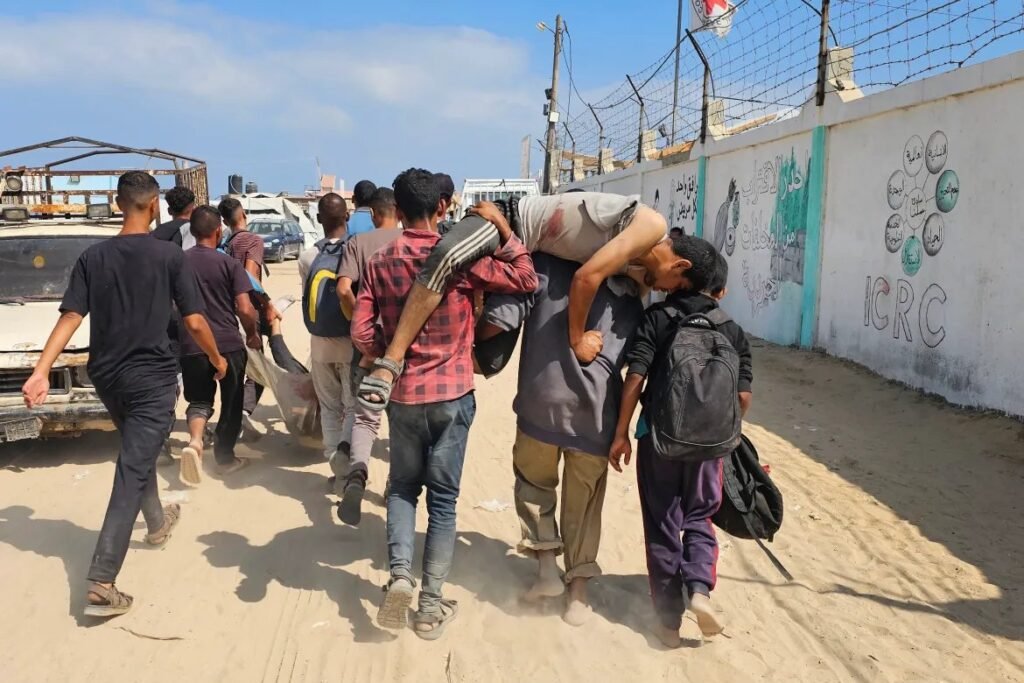
Despite diplomatic discussions and ceasefire arrangements, violence has not ceased. On Wednesday alone, three Palestinians were killed and others wounded in Israeli attacks across the Gaza Strip, underscoring the fragile and volatile reality facing civilians as political negotiations continue.