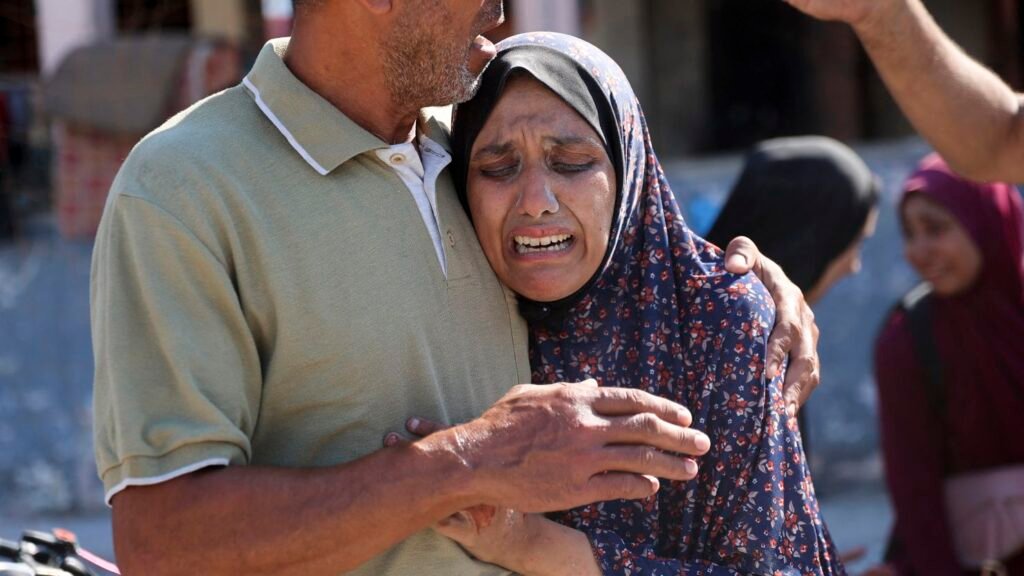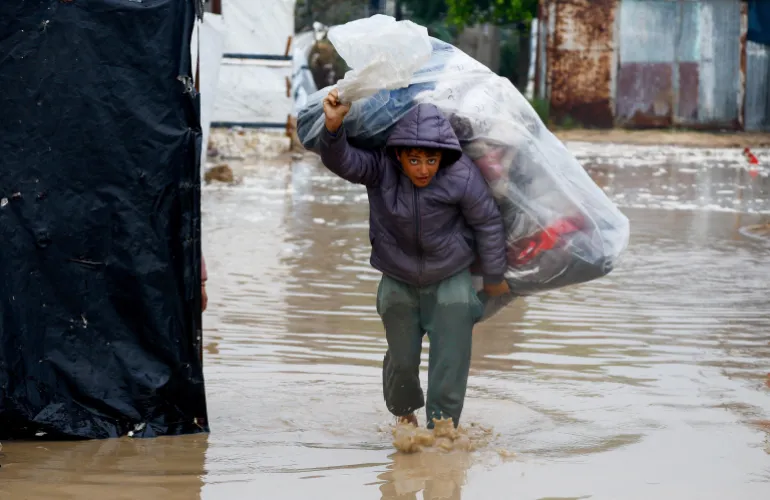
Gaza Herald – Tens of thousands of displaced families faced severe health risks as environmental conditions worsened across the Strip. Decades of destruction, ongoing conflict, and accumulated debris left communities exposed to polluted water, overflowing sewage, and hazardous rubble. The deteriorating conditions created a public health emergency for families living in overcrowded shelters.
Authorities reported an outbreak of waterborne illnesses, with residents particularly vulnerable to bacterial infections transmitted through contaminated water and soil. Stagnant water pools and improper waste disposal fueled the spread of diseases, including Leptospirosis, which can be fatal if untreated. Children, the elderly, and patients with chronic illnesses were among the most affected.
The combination of debris, damaged infrastructure, and contaminated water amplified the risk of infections carried by rodents and insects. Mosquitoes, flies, and other vectors thrived in the wreckage, increasing the spread of diseases and creating unsafe living conditions in the camps and informal settlements.
Humanitarian agencies documented the severe lack of access to clean water, functional sanitation, and proper waste management. Efforts to treat and prevent disease were hampered by the blockade and destruction of medical facilities, leaving tens of thousands of civilians exposed to preventable illnesses.
The crisis highlighted the urgent need for debris removal, sanitation restoration, and emergency health interventions. Without immediate relief, displaced populations remained at risk of long-term illness and preventable deaths, compounding Gaza’s humanitarian catastrophe.