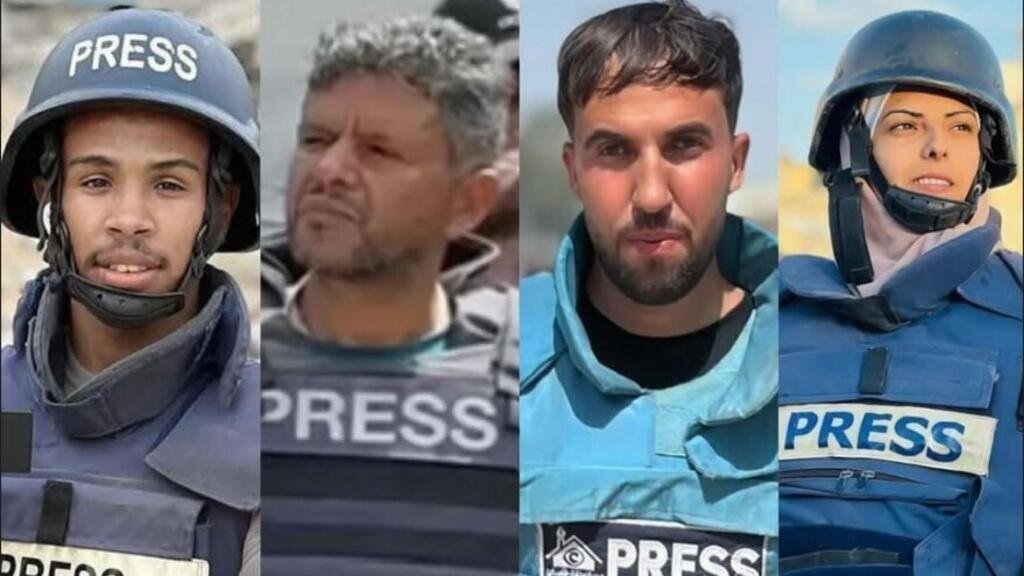
Gaza Herald_ Israel has continued to prohibit foreign journalists from entering the Gaza Strip since the start of its war on the enclave in October 2023, citing what it claims is the “incomplete implementation” of a ceasefire agreement that came into effect on October 10.
According to a statement issued by the office of Arab Knesset member Ayman Odeh, Israel “does not want the world to witness the brutality of the crimes committed in Gaza.”
In July, Odeh, head of the Democratic Front for Peace and Equality and the Joint Arab List, submitted a parliamentary inquiry to Israeli Defense Minister Israel Katz, demanding an explanation for the continued ban on foreign journalists entering Gaza.
In response to the inquiry, Israel’s Ministry of Defense justified the ongoing restriction by stating that the political leadership opposes allowing journalists into the Strip, arguing that the ceasefire agreement remains incomplete. This response was cited in a press release issued by Odeh’s office on Monday.
Odeh described the justification as a political cover designed to conceal the crimes against humanity committed in Gaza during the war, crimes whose consequences continue to unfold.
Since the beginning of Israel’s genocidal war on October 8, 2023, foreign journalists have been barred from entering Gaza. Israeli Prime Minister Benjamin Netanyahu previously claimed during a press conference that the ban was imposed due to concerns over journalists’ safety amid ongoing hostilities.
However, Israel has maintained the restriction despite the ceasefire, undermining these claims, Odeh said.
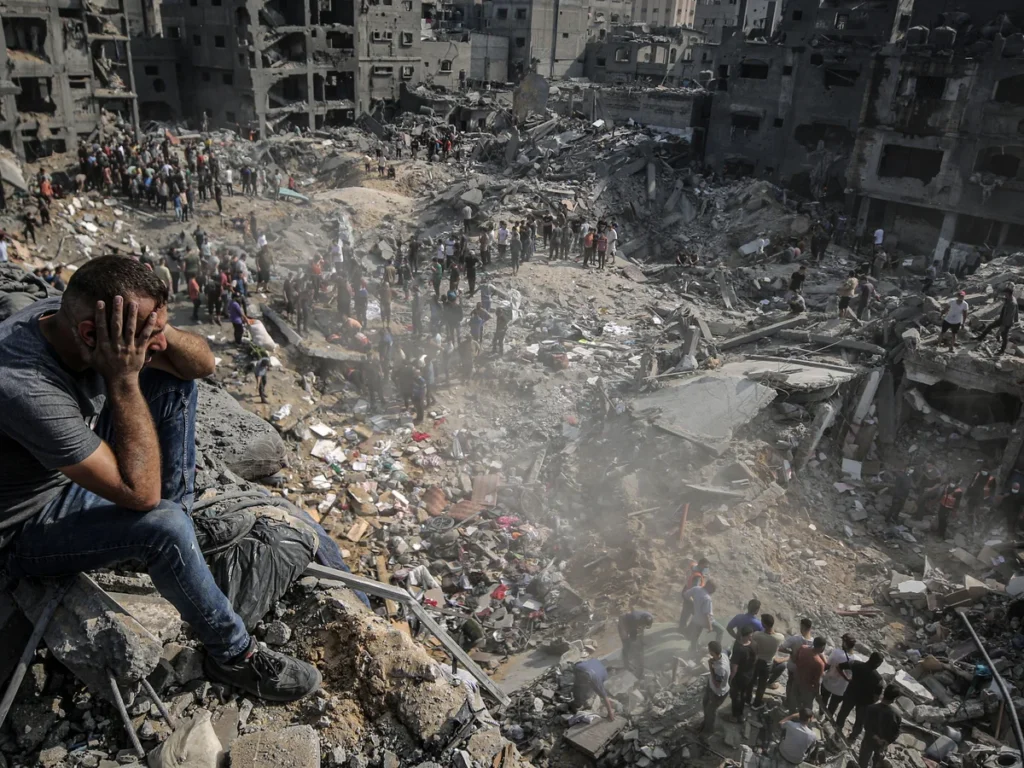
He added that the ceasefire should have provided an opportunity for international media to assess the humanitarian conditions in Gaza and convey the full reality to global public opinion. Instead, the Israeli government chose to continue imposing restrictions, raising serious questions about efforts to hide the consequences of the war and the massive destruction it caused.
Odeh described the ban as a violation of the right to uncover the truth about the war and an attempt to conceal the gravest crimes, particularly given that the restriction remains in place despite claims of a ceasefire.
“What the Israeli government is trying to prevent is already visible and known to the entire world,” Odeh said. “But some still believe that hiding the truth from the public can erase the reality of these crimes.”
Throughout the months of the war, Gaza-based authorities and journalistic institutions repeatedly called for allowing foreign journalists into the Strip to document crimes against civilians that Israel later denied.
Israel has, on rare occasions, allowed a very limited number of journalists into Gaza under strict military supervision, organizing guided tours that reinforced the Israeli narrative.
Local, Arab, and international media organizations renewed their calls to open Gaza to foreign journalists after the ceasefire took effect, but Israel has not responded.
The Gaza Government Media Office has repeatedly stated that Israel is blocking foreign journalists out of fear that its crimes in the Strip would be exposed more broadly.
Israel’s war on Gaza has left more than 71,000 Palestinians dead, over 171,000 wounded, and caused massive destruction to approximately 90 percent of civilian infrastructure. The United Nations has estimated the cost of reconstruction at around $70 billion.