Gaza Herald_In Gaza’s escalating humanitarian emergency, the Civil Defense has issued a grave warning that its life-saving operations are collapsing due to a severe and deliberate shortage of fuel.
For weeks, emergency crews have struggled to keep fire trucks, rescue vehicles, ambulances, and vital power generators functioning, as the fuel needed to operate the remaining equipment has been nearly impossible to obtain.
The Civil Defense explained that it had repeatedly appealed to all relevant authorities, yet the UN Office for Project Services (UNOPS) continued enforcing restrictive and obstructive procedures that prevented the delivery of adequate fuel supplies. These limitations, officials said, have created a paralyzing bottleneck that threatens the ability of rescue teams to respond to fires, structural collapses, explosions, and emergency evacuations across the devastated Strip.
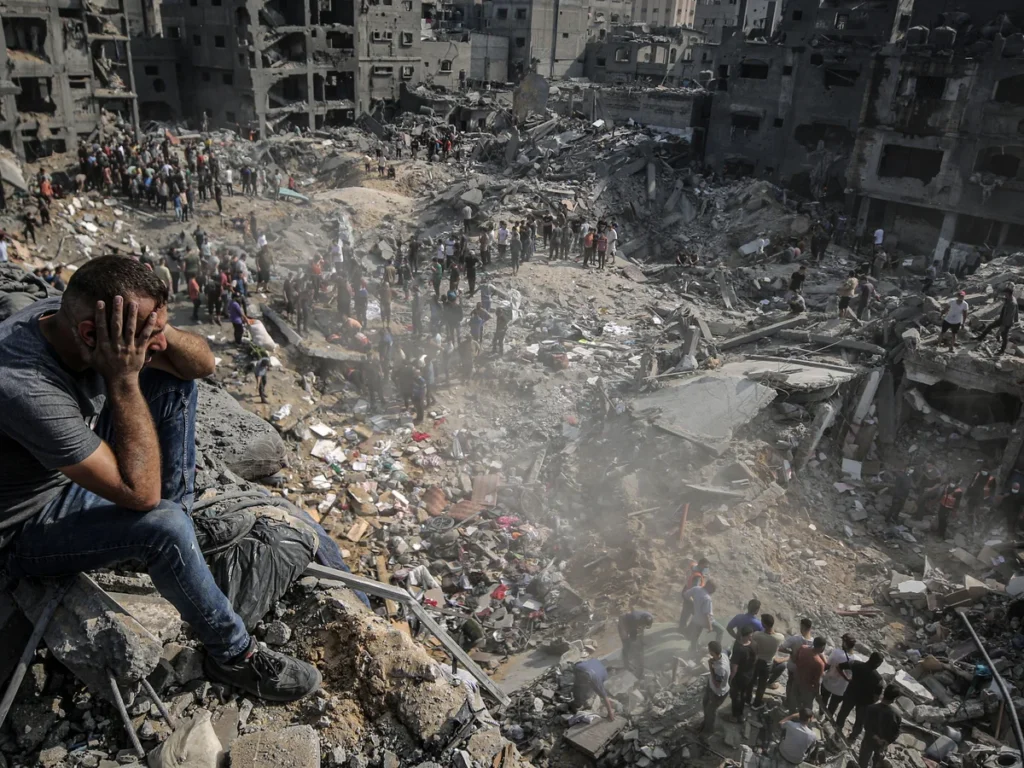
According to the statement, half of all Civil Defense services in Gaza have already stopped because there is no fuel to power the machinery required for critical missions. Rescue teams are unable to reach thousands of damaged and unstable buildings where people may still be trapped beneath rubble, and essential search-and-recovery operations are on the verge of shutting down completely. Firefighting capabilities have also been severely reduced, putting civilians in immediate danger as crews become incapable of responding to blazes triggered by ongoing attacks or infrastructure failures.
The shortages extend to energy generators inside Civil Defense stations and ambulance points, as well as gasoline-powered tools used to remove hazardous debris. Officials stressed that they are now unable to perform basic duties because of an administrative and logistical blockade imposed by an institution expected to facilitate humanitarian work, not hinder it.
The Civil Defense placed full responsibility on UNOPS for any delays or obstacles that disrupt rescue missions or cost civilian lives, saying that withholding fuel at a time of mass casualties amounts to a direct threat to public safety. It called for the immediate removal of all restrictions on fuel access, the rapid provision of full operational quantities, and the establishment of a clear, transparent mechanism guaranteeing uninterrupted delivery that matches the scale of Gaza’s emergency needs.
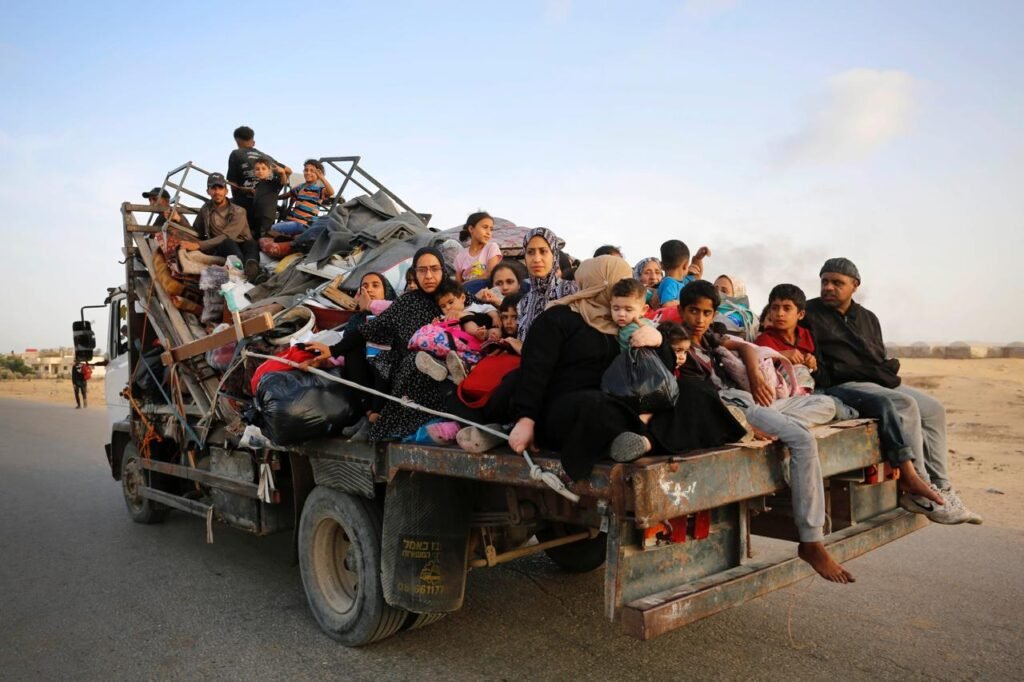
While expressing deep frustration with UNOPS, the Civil Defense extended sincere gratitude to OCHA for its responsible and consistent role in supporting emergency teams, highlighting its efforts to raise Gaza’s needs within international organizations and provide assistance under extremely dangerous conditions. As Gaza continues to endure widespread destruction and mass displacement, the Civil Defense emphasized that its crews will continue working with whatever limited resources remain, though the collapse of rescue operations is becoming increasingly inevitable unless fuel is allowed to reach them immediately.