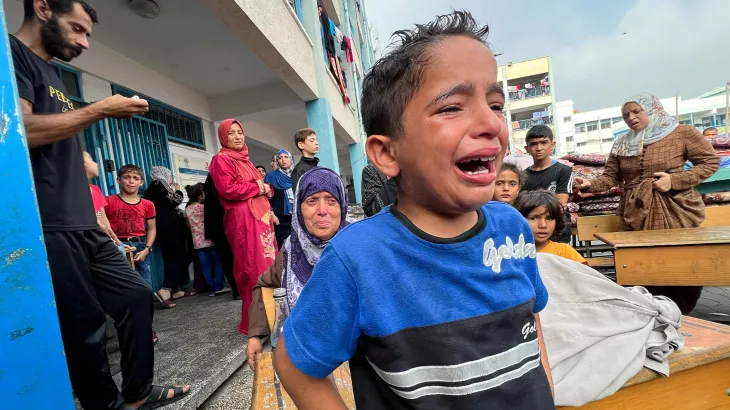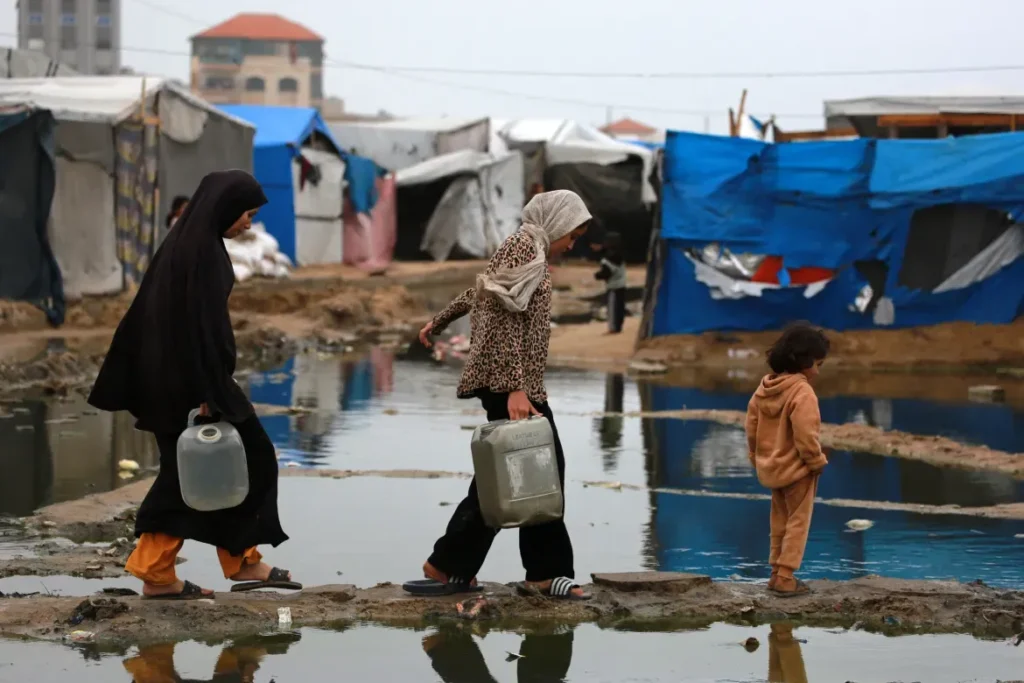
Gaza Herald – The United Nations International Organization for Migration has issued a stark warning regarding the deepening shelter crisis in the Gaza Strip as the winter season approaches. The organization stated that almost the entire population of the territory requires tents or other forms of emergency accommodation. This urgent assessment comes amid severe shortages of essential supplies and the continued imposition of restrictions by Israeli authorities on the entry of humanitarian aid into the enclave.
In a statement released on Friday, the IOM highlighted that approximately two million people, whose lives have been devastated by what it described as genocidal warfare, are in desperate need of assistance. Despite the scale of the disaster, relief agencies have managed to satisfy only about 17 percent of the shelter requirements necessary to protect residents from the impending cold weather. The vast majority of the population remains exposed to harsh environmental conditions without adequate protection.
The agency further cautioned that the anticipated climate phenomenon known as El Niño could significantly exacerbate the humanitarian situation. According to the World Meteorological Organization, this event is expected to be one of the strongest on record. Heavy rainfall and the potential for flash floods pose additional threats, particularly given the widespread damage to water drainage systems and residential buildings across the strip. These environmental factors compound the existing vulnerabilities of displaced families.
Amy Pope, the Director General of the IOM, emphasized that families who have endured repeated displacement and suffered massive losses must be able to face the winter with safety and dignity. She pointed out that the restrictions enforced by Israeli authorities actively hinder the efforts of relief organizations. These barriers limit the capacity of aid groups to expand their response operations to meet the growing and critical needs of the civilian population.
According to the organization, Israeli authorities prevented the entry of roughly 8,600 sets of emergency shelter kits into Gaza. These packages typically contain wood, tarpaulins, and other fundamental materials required for temporary housing. The blockade was justified by citing classifications of these items as dual-use materials. Consequently, displaced persons continue to face acute deficits in shelter essentials just as temperatures begin to drop.
The warnings from the UN agency underscore the persistent humanitarian emergency in Gaza. With winter closing in, the combination of destroyed infrastructure, blocked aid convoys, and extreme weather forecasts leaves millions without viable options for survival. The inability to repair damaged homes or distribute new shelters remains a central challenge for international responders operating under tight constraints.
This report was produced in the Gaza Herald newsroom.