
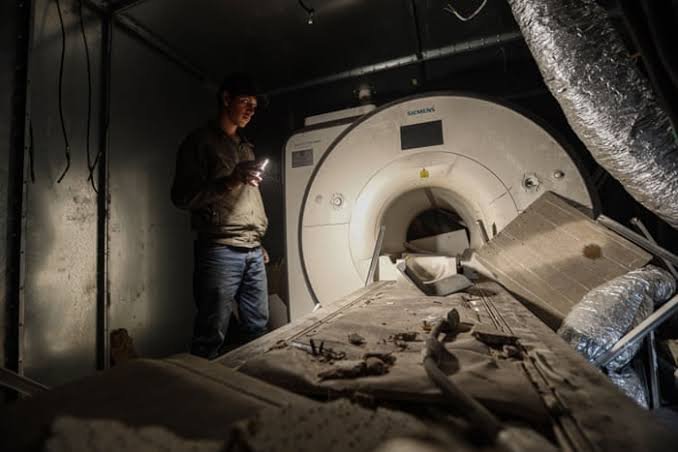
DaysOfPal – Three years of Israel’s genocidal war on Gaza have left more than 174,000 Palestinians wounded and created an overwhelming demand for nearly half a million surgical procedures, while the territory’s devastated hospitals struggle to provide even the most basic medical care.
The catastrophe extends far beyond the Palestinians killed in Israeli attacks. Thousands of survivors now face a second struggle for survival as shortages of medicines, medical equipment, fuel and specialist doctors leave serious injuries untreated and chronic illnesses increasingly life-threatening.
In an interview with Anadolu Agency on Thursday, October 8, Dr. Munir al-Bursh, director-general of Gaza’s Ministry of Health, warned that the destruction of medical infrastructure and continuing Israeli restrictions have pushed the healthcare system toward a prolonged collapse, despite the ceasefire that took effect in October 2025.
According to al-Bursh, the enormous number of wounded Palestinians has generated a demand for hundreds of thousands of operations, while hospitals lack the equipment, supplies and personnel required to perform them.
The crisis has also devastated patients who were never directly wounded in Israeli attacks, including people suffering from kidney failure, cancer, diabetes and cardiovascular diseases.
For these patients, the destruction of Gaza’s healthcare system has transformed treatable medical conditions into potentially fatal emergencies.
Nearly Half a Million Surgeries Needed
Al-Bursh said more than 174,000 Palestinians have been injured since October 2023, with wounded patients requiring an average of at least three surgical procedures.
That estimate points to a potential need for roughly half a million operations, an extraordinary burden for a healthcare system whose hospitals, operating rooms and medical supply networks have been severely damaged.
Many patients require repeated orthopedic procedures, reconstructive surgery, treatment for complex fractures, vascular operations and rehabilitation following amputations or other permanent injuries.
Yet even when surgeons are available, hospitals frequently lack the essential resources needed to operate safely.
Surgical care depends on reliable electricity, anesthesia, oxygen, sterilization equipment, antibiotics, blood supplies, imaging systems and intensive care facilities. Shortages affecting any of these services can delay treatment or make operations impossible.
The consequences are particularly severe for Palestinians with complex injuries who require several stages of treatment over months or years.
Children who have lost limbs may need repeated operations as they grow, alongside prosthetic devices, physical therapy and long-term rehabilitation. Patients with severe burns, spinal injuries or neurological damage face similarly extensive medical needs.
Without sustained treatment, injuries that might otherwise be manageable can result in permanent disability, chronic infection or death.
Dialysis Patients Dying as Treatment Collapses
Among the most alarming consequences of Gaza’s medical crisis is the sharp decline in the number of patients receiving dialysis.
Al-Bursh said approximately 1,400 Palestinians depended on dialysis before the war, compared with roughly 600 today.
He attributed much of the decline to deaths among patients who were unable to receive regular, life-sustaining treatment.
The figures suggest that hundreds of kidney patients may have died during the war, although a complete independently verified breakdown of the reasons for the decline has not been established.
For people with kidney failure, dialysis is essential to remove toxins and excess fluid from the blood. Missing or shortening sessions can lead to dangerous complications, including heart problems and potentially fatal electrolyte imbalances.
The destruction of dialysis facilities, combined with shortages of equipment, consumables and medicines, has forced hospitals to reduce treatment capacity.
United Nations humanitarian reporting documented that, in April 2026, only 108 dialysis machines across four facilities were serving 676 patients, with critical shortages placing additional pressure on treatment.
The collapse of kidney care illustrates a broader dimension of Gaza’s healthcare catastrophe: Palestinians are dying not only from direct military attacks but also from the breakdown of the medical services necessary to keep them alive.
Chronic Diseases Become a Deadly Threat
Al-Bursh warned that thousands of Palestinians suffering from chronic illnesses have died amid severe disruptions to treatment and shortages of essential medicines.
Patients with diabetes, hypertension, heart disease and cancer have faced repeated interruptions in medical care, while specialized diagnostic services and treatment facilities remain severely restricted.
For people living with chronic illnesses, consistent access to medication and monitoring is often essential for survival.
Diabetic patients require insulin and regular blood-sugar monitoring. Cancer patients depend on chemotherapy, diagnostic imaging and specialist consultations. Heart patients need medication and, in some cases, urgent interventions.
When these services disappear, previously manageable illnesses can develop into life-threatening conditions.
UN humanitarian reports have documented serious shortages of medicines and specialized equipment, including restrictions affecting cardiac care and other essential hospital services.
The result is a growing population of patients whose conditions deteriorate while hospitals struggle to meet even emergency medical needs.
Hospitals Without Medicines, Equipment or Essential Supplies
Al-Bursh said Gaza’s health sector faces a 52% deficit affecting hospital beds and essential medicines, alongside a 56% shortage of medical supplies.
He accused Israel of preventing the entry of critical medical equipment and restricting supplies needed to maintain generators, oxygen-production systems, ambulances and operating rooms.
These restrictions, combined with widespread destruction of medical facilities, have left hospitals unable to restore normal operations.
According to UN humanitarian reporting from April 2026, only 273 mapped health service points were operating across Gaza, representing slightly more than 43% of the facilities identified before October 2023.
Most were functioning only partially.
For Palestinians seeking treatment, a hospital being classified as operational does not necessarily mean it can provide surgery, intensive care, diagnostic imaging or specialized treatment.
Medical workers may be able to stabilize a patient without having the equipment needed to treat the underlying condition. A hospital may have available beds but insufficient medicines, while a functioning operating room may lack the electricity or anesthesia required for surgery.
The continued shortages have left healthcare workers facing impossible pressures as the number of patients requiring complex care continues to grow.
More Than 20,000 Patients Need Treatment Outside Gaza
With specialized medical services severely limited, evacuation abroad has become essential for thousands of Palestinians.
Al-Bursh said more than 20,000 sick and wounded Palestinians urgently require treatment outside Gaza because their medical needs cannot be met within the Strip.
He explained that arrangements had envisaged the evacuation of approximately 300 patients daily, but that only around 25 were being permitted to leave.
The reported figures highlight the enormous gap between medical needs and actual evacuation capacity.
Earlier UN estimates identified more than 18,500 critically ill patients, including approximately 4,000 children, requiring evacuation.
For Palestinians with cancer, severe injuries or complex medical conditions, delays can significantly reduce their chances of recovery.
The restrictions on medical evacuations have forced thousands to remain in Gaza’s overwhelmed hospitals, where essential treatment is often unavailable.
Although limited medical evacuations resumed through the Rafah crossing in February 2026, movement has remained subject to restrictions, security procedures and repeated interruptions.
The Ministry of Health has repeatedly called for sustained humanitarian access and the removal of obstacles preventing patients from reaching specialized medical facilities abroad.
Detained Doctors and a Severe Shortage of Specialists
Gaza’s medical emergency has been compounded by the loss of specialized healthcare workers.
Al-Bursh said Israeli authorities continue to detain 88 specialist doctors, including prominent Palestinian medical professionals such as Dr. Hussam Abu Safiya and Dr. Mohammad Obeid.
He also accused Israel of restricting the entry of international medical delegations, further limiting the ability of hospitals to provide specialized treatment.
The reported number and current detention status of individual doctors require independent verification. However, international humanitarian organizations have documented severe shortages of specialized medical personnel and restrictions affecting the deployment of emergency medical teams.
The loss of experienced surgeons, intensive care specialists and other medical professionals has long-term consequences for a population facing extensive surgical and rehabilitation needs.
International medical missions can temporarily help fill critical gaps, but they cannot replace the permanent healthcare workforce required to operate a comprehensive medical system.
Ceasefire Has Failed to End Gaza’s Medical Catastrophe
Despite the ceasefire that took effect in October 2025, Gaza’s healthcare system remains trapped in an emergency that cannot be resolved through temporary humanitarian assistance alone.
Damaged hospitals have not been fully rebuilt, essential equipment remains scarce, and patients continue to face obstacles to treatment and evacuation.
The destruction of healthcare infrastructure has also created consequences that will extend far beyond the current crisis.
Thousands of Palestinian children may require lifelong medical care after suffering amputations, severe burns and other disabling injuries. Adults who once supported their families may be unable to return to work, while relatives face the burden of providing care without adequate medical or rehabilitation services.
The damage therefore reaches beyond hospitals, affecting family livelihoods, education, social stability and the prospects for rebuilding Palestinian communities.
Restoring Gaza’s healthcare system will require far more than reopening damaged hospital buildings.
It will demand reliable access to essential medicines, medical equipment, fuel and spare parts, the restoration of specialized surgical services, expanded rehabilitation facilities and an effective medical evacuation system capable of meeting the enormous demand.
It will also require the protection of healthcare workers and medical facilities from further attacks.
A Generation of Palestinians Facing Lifelong Medical Suffering
Three years after the beginning of Israel’s war, Gaza faces a healthcare catastrophe whose consequences may continue for decades.
More than 174,000 wounded Palestinians require extensive medical care, thousands of critically ill patients remain unable to obtain treatment abroad, and people with chronic diseases continue to suffer from the collapse of essential services.
For many survivors, escaping death during an Israeli attack has meant entering another battle against untreated injuries, disability, medical shortages and deteriorating health.
The danger is no longer limited to the immediate consequences of bombardment. It also lies in the continued inability of hospitals to provide the treatment necessary to save lives.
A child who survives an Israeli strike may still face years of painful operations without access to adequate rehabilitation. A kidney patient may survive the bombing only to die because dialysis is unavailable. A cancer patient may lose the opportunity for effective treatment while waiting for permission to leave Gaza.
The medical catastrophe unfolding across the Strip demonstrates that the consequences of Israel’s military assault cannot be measured solely by the number of Palestinians killed.
For thousands of Palestinians, the threat to their lives continues long after the bombs fall silent, inside hospitals that have been destroyed, deprived of essential resources and left struggling to save those who survived.

