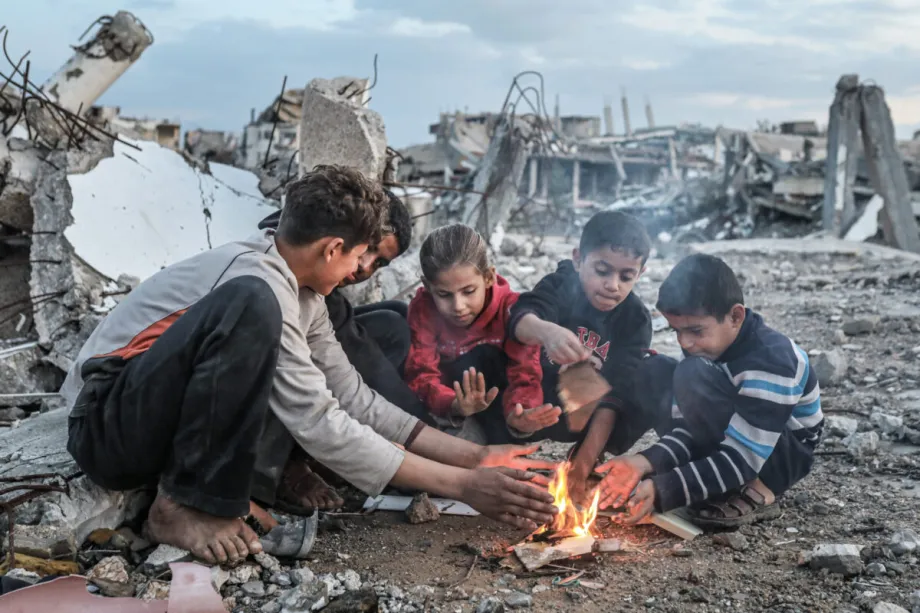
Gaza Herald — As heavy rains descend once again across the Gaza Strip, displaced Palestinians face a harrowing dilemma: seek refuge in fragile tents incapable of withstanding severe weather, or huddle inside bomb-damaged concrete buildings at constant risk of sudden collapse. For hundreds of thousands of displaced families under military siege, safe shelter simply no longer exists.
The relentless rain exposes a devastating reality for families stripped of their homes. In temporary encampments, rainwater penetrates worn canvas, saturating mattresses and turning dirt floors into mud while contaminated runoff heightens the immediate risk of waterborne diseases among displaced children. Meanwhile, inside structurally compromised homes, rain seeps through blast-fractured concrete and exposed rebar, further destabilizing structures already on the brink of structural failure.
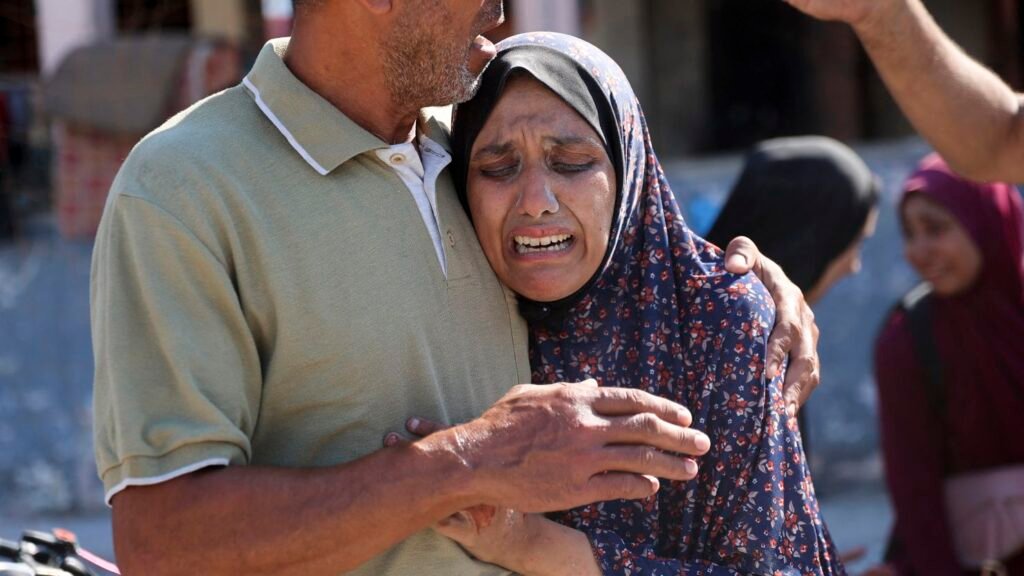
The lethal consequences of this crisis turned catastrophic on September 16, when a war-damaged residential building in Gaza City collapsed, killing at least 21 Palestinians, including many children, among an estimated 100 people seeking refuge inside. Just two days later, a rain-soaked ceiling collapsed in another Gaza City structure, injuring four young children.
Across Gaza, thousands of families are forced to occupy precarious, heavily damaged buildings because they have nowhere else to go. Surveys by the Norwegian Refugee Council reveal that 72 percent of sampled households reside in damaged buildings, while in parts of Gaza City, over 22 percent of standing structures face imminent risk of collapse.
With commercial supplies blocked and temporary tents either unavailable or priced out of reach, displaced Palestinians have no choice but to inhabit homes with sloping floors, cracked ceilings, and shattered walls.
For those living in makeshift encampments, the situation is equally dire.
OCHA reports that nearly 800,000 displaced people occupy sites vulnerable to severe flooding. Tents lack thermal insulation, weatherproofing, and basic sanitation, leaving families exposed to severe cold and respiratory illnesses.
The acute shelter emergency stems directly from the widespread destruction of Gaza’s infrastructure, where over 320,000 homes have been damaged or destroyed, impacting 1.7 million people, combined with strict restrictions on aid entry.
Humanitarian agencies report that crucial shipments of timber, tarpaulins, winterization kits, and heavy rescue machinery have been repeatedly blocked from entering Gaza by Israeli military authorities. Without access to cement, basic construction tools, or heavy equipment to clear rubble, residents cannot repair leaking roofs, shore up weakened walls, or safely dismantle immediate hazards.
As another severe winter arrives, Gaza’s 2.1 million residents remain trapped between two perilous realities: flooded canvas on one side, and fracturing concrete on the other. Human rights advocacy groups emphasize that preventing further tragedy requires an immediate end to restrictions blocking heavy machinery, construction materials, and essential winterization supplies from reaching families in desperate need.