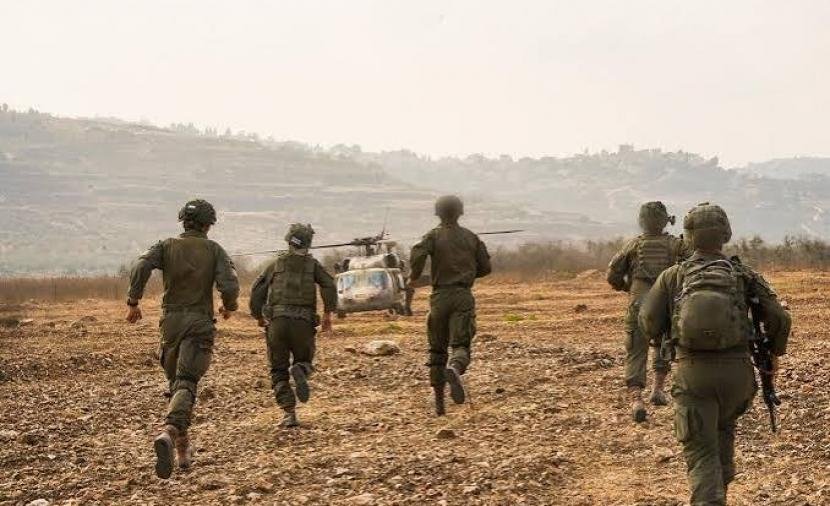
Gaza Herald – The Israeli military executed its largest drill in the West Bank in years, involving 26 battalions simulating October 7-style attacks. Channel Seven reported that Chief of Staff Eyal Zamir ordered the surprise operation. It included all units operating in the region to test readiness against sudden assaults.
The exercise mimicked potential attacks on settlements or the separation line with Area 48. This comprehensive mobilization aimed to evaluate rapid response capabilities across multiple fronts. Military officials emphasized the need for constant vigilance against coordinated threats from various directions within the occupied territory.
Participation by dozens of military battalions marked a significant escalation in training intensity. The scale of the maneuver reflected concerns over security vulnerabilities along critical borders. Commanders sought to ensure seamless coordination between different forces during high-stress scenarios resembling recent major conflicts.
Simulations focused on defending against breaches at key checkpoints and residential zones. Troops practiced engaging hostile forces attempting to penetrate deep into controlled areas. The drill highlighted the army’s strategy to maintain strict control over movement and access points throughout the region.
Observers noted the timing coincided with heightened tensions in the area. The exercise served as a deterrent signal to local armed groups. Military planners utilized real-time data to adjust tactics based on simulated enemy movements and counterattacks.
Reports indicated that communication systems were tested under heavy load conditions. Units demonstrated ability to switch between offensive and defensive postures quickly. Such flexibility is crucial for maintaining operational superiority during unpredictable engagements.
The involvement of all available units underscored the strategic importance placed on this rehearsal. Officials stated that lessons learned would inform future deployment plans. Continuous improvement of tactical responses remains a priority for command structures.
Security assessments following the drill likely influenced current patrol schedules. Reinforcements may be deployed to sensitive locations based on findings. The army aims to prevent any recurrence of past security failures through rigorous preparation.
Local residents observed increased military presence during the operation. Movements of armored vehicles and personnel were visible near major roads. The atmosphere remained tense as exercises progressed without prior public announcement.
International observers monitored developments closely given the regional implications. The scale of the drill raised questions about long-term stability prospects. Diplomatic channels remain active amid ongoing security challenges.
The military maintains that such preparations are necessary for national defense. Critics argue they contribute to further militarization of daily life. Debate continues regarding the balance between security needs and civil liberties.
This report was produced in the Gaza Herald newsroom.