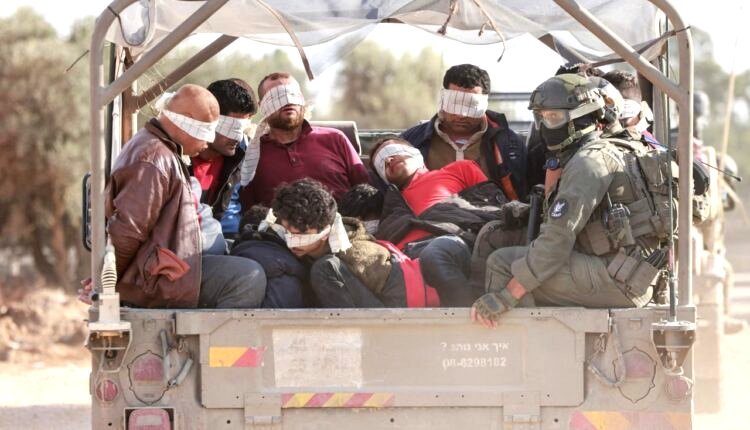
Gaza Herald – Palestinian prisoners from the Gaza Strip held at Israel’s Janot prison are facing escalating repression, repeated raids of their cells, physical assaults and deprivation of basic rights, according to the Asra Media Office. The office said collective punishment has become a routine feature of daily life for Gaza detainees inside the prison.
On August 30, Israeli prison forces raided Room 14 and two other rooms in Section 4 of Janot prison and assaulted Gaza prisoners, according to the Prisoners’ Media Office. Several detainees were reportedly injured by rubber-coated bullets during the raid.
The office said the incident was not isolated. Gaza prisoners are repeatedly subjected to beatings, intimidation, insults and other forms of abuse amid heightened security measures. Collective punishments are reportedly imposed even in response to minor incidents, including sounds coming from prisoners’ rooms.
According to prisoners’ accounts cited by the office, these punishments include being denied access to showers, prayer and food, turning basic daily necessities into tools of coercion and punishment.
Gaza detainees at Janot face particularly harsh conditions, with severe restrictions and widespread isolation from the outside world. Repeated cell raids, searches and assaults have added to concerns over their physical and psychological well-being.
The reported abuse also includes direct threats against prisoners. The Prisoners’ Media Office said detainees have being threatened by guards with execution and hanging, including repeated statements that they would “never see the light of day.”
The accounts point to a pattern of psychological intimidation extending beyond conventional disciplinary measures, with prisoners kept under persistent fear while collective punishments are used to exert pressure over entire sections.
The situation at Janot has renewed concerns over the treatment of Palestinian prisoners from Gaza inside Israeli detention facilities, particularly as independent information about their conditions remains difficult to obtain. The lack of regular outside access has heightened fears about the safety and health of detainees.