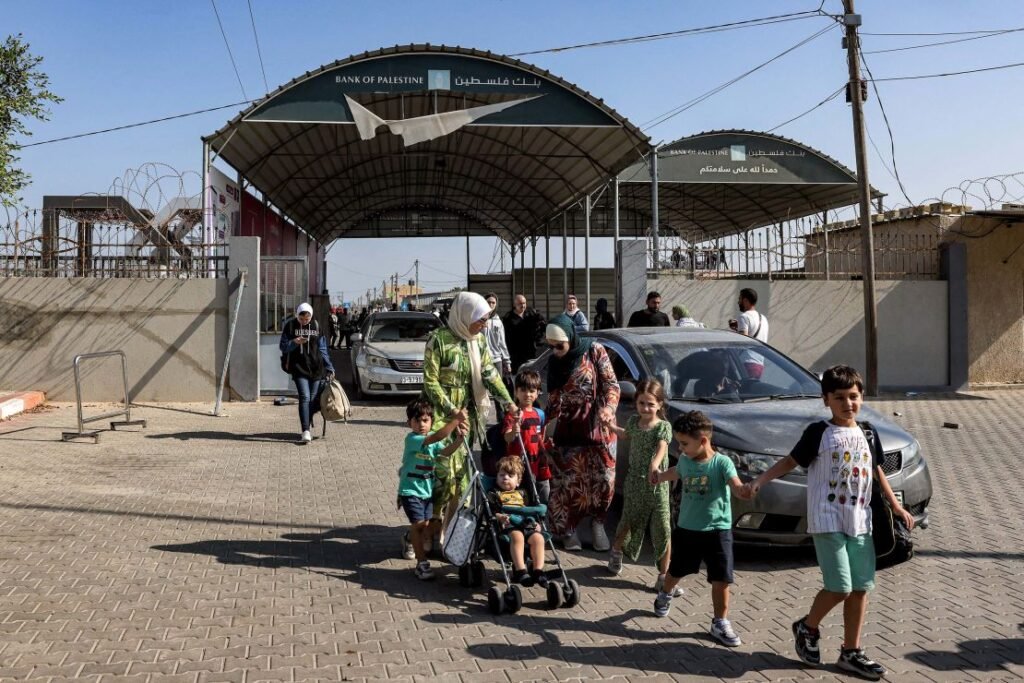
Gaza Herald – Israel’s continued restrictions on Gaza’s crossings are worsening the suffering of patients who need urgent medical treatment outside the besieged Strip, with the scheduled departure of patients through the Rafah crossing canceled again on Thursday because the required coordination was not secured.
Gaza’s Medical Referrals Committee said Thursday that the cancellation marked the third disruption in two weeks. Patients were able to travel on only three of the six dates scheduled during that period, further delaying treatment and expanding already lengthy waiting lists.
The committee said repeated cancellations are leaving patients and their families facing mounting distress as medical care is postponed. It stressed that while it organizes travel lists and reviews medical cases, it does not control the reopening of Rafah or the issuance of approvals and security coordination required for patients to leave.
Any cancellation or delay resulting from the absence of coordination, the committee said, is therefore beyond its authority, urging residents not to hold the medical referral system responsible for decisions made outside its mandate.
The intermittent closure of Rafah is also putting patients and wounded Palestinians at greater risk, said Raed al-Nems, spokesperson for the Palestine Red Crescent Society in Gaza. He warned that the number of patients permitted to leave during periods when the crossing is open remains far below the scale of medical needs across the Strip.
According to al-Nems, patients are selected for travel through coordination between Gaza’s Health Ministry and the World Health Organization, with priority given to the most critical cases before those considered less urgent.
A Policy of Manufactured Hunger
The medical crisis is unfolding alongside the increasingly restrictive siege on Gaza, including controls over the movement of people and the entry of humanitarian supplies.
Hamas spokesperson Hazem Qassem said Israel continues to tighten the blockade by closing crossings, restricting the flow of aid and controlling the number of people permitted to travel through Rafah. He said the crossing was closed while humanitarian deliveries remained severely restricted, with the number of aid trucks entering Gaza falling well below the level agreed upon.
Qassem accused Israel of pursuing the policy of “manufactured hunger,” contributing to shortages and soaring prices for basic goods while attacks and other ceasefire violations continue.
He called on mediators, guarantor states and the so-called Board of Peace to take concrete action to halt the violations, lift the blockade and address Gaza’s humanitarian crisis after nearly three years of war and destruction.
Ismail al-Thawabta, director-general of Gaza’s Government Media Office, has also warned of an unprecedented deterioration in the humanitarian situation as the crossings remain closed, with Rafah among the most critical lifelines for patients and civilians seeking to leave the Strip.