Gaza Herald – In Gaza, a medical referral is no longer a straightforward path to treatment. For thousands of Palestinian patients and war-wounded people, it is the beginning of another exhausting journey through approvals, coordination procedures and border restrictions, while Gaza’s damaged health system struggles with shortages of medicines, medical supplies and specialized care.
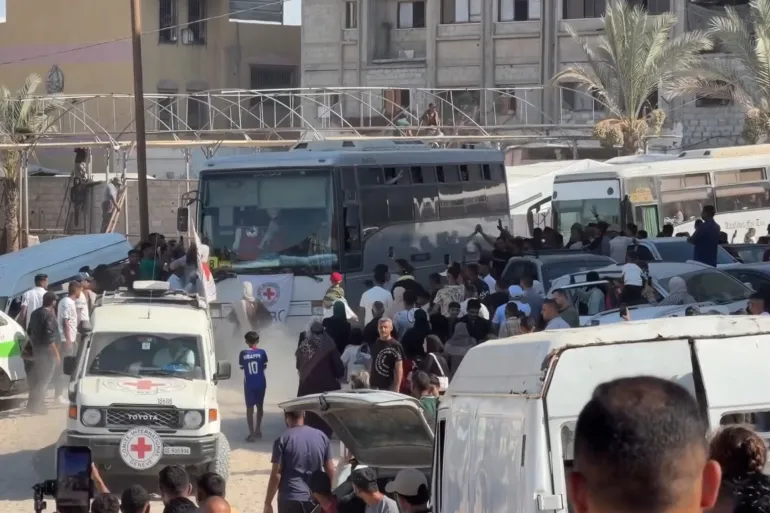
Patients who require treatment unavailable inside Gaza may receive a medical referral confirming the need for care abroad. But the referral does not guarantee that they will be allowed to leave. Patients can then spend weeks or months waiting for the necessary approvals, coordination and an opportunity to cross while their medical conditions continue to deteriorate.
For cancer patients, these delays can be especially devastating. Gaza’s healthcare system lacks several specialized services required by patients, including certain forms of advanced chemotherapy, radiotherapy and bone marrow transplantation. Doctors warn that prolonged delays can reduce patients’ chances of recovery and disease control, while some may die while waiting for permission to travel.
The crisis extends far beyond cancer care. Palestinians wounded during Israel’s genocide continue to require specialized surgery, rehabilitation and prosthetic treatment that cannot be adequately provided inside the Strip. Others suffering from chronic illnesses face severe medication shortages and worsening complications after years of destroyed infrastructure and a healthcare system operating far beyond its capacity.
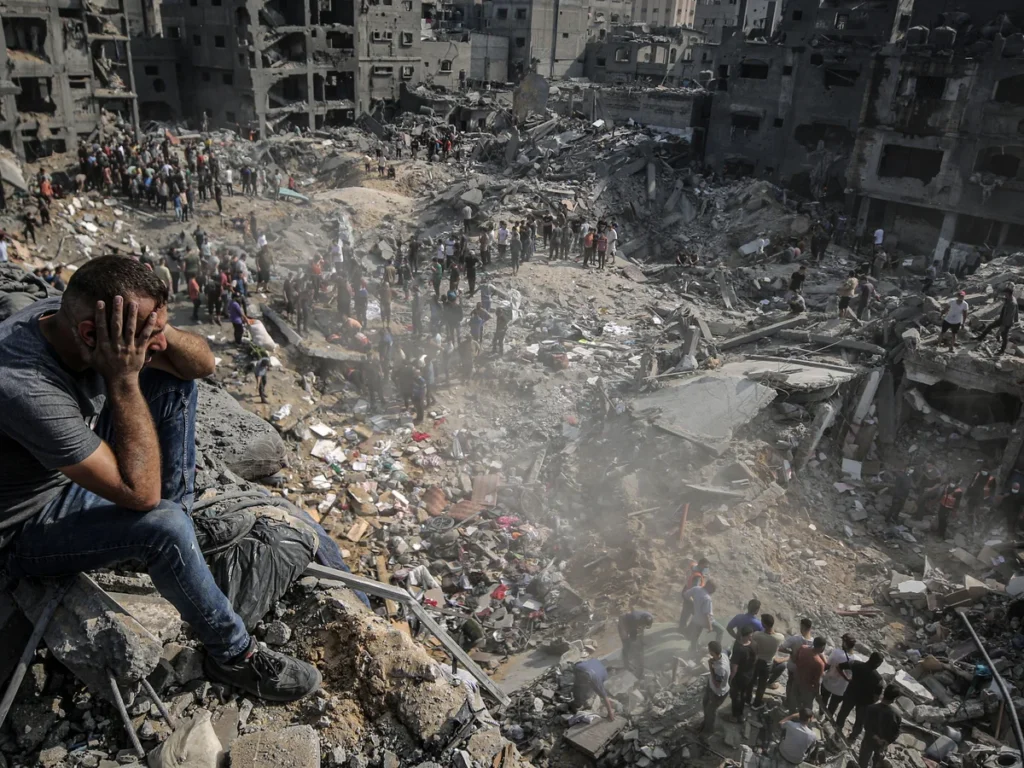
The destruction of hospitals and medical facilities has severely reduced Gaza’s ability to provide comprehensive treatment. Patients who once could have received care within the Strip are increasingly dependent on medical evacuation, yet access to that lifeline remains uncertain.
Palestinian medical organizations say large numbers of patients and wounded people urgently require treatment outside Gaza, including cancer patients, children and people needing complex surgical procedures and long-term rehabilitation.
For families, the waiting period is more than an administrative process. Every delayed approval can mean another day without chemotherapy, surgery, specialized medication, or rehabilitation. For patients with rapidly progressing illnesses, those days can carry irreversible consequences.
Gaza’s patients therefore remain trapped between a healthcare system devastated by Israel’s genocide and restrictions that prevent many from reaching the treatment they need. A medical referral may confirm that a patient needs urgent care, but without safe and timely passage out of Gaza, the referral can become little more than a document carried by someone waiting for a chance to survive.