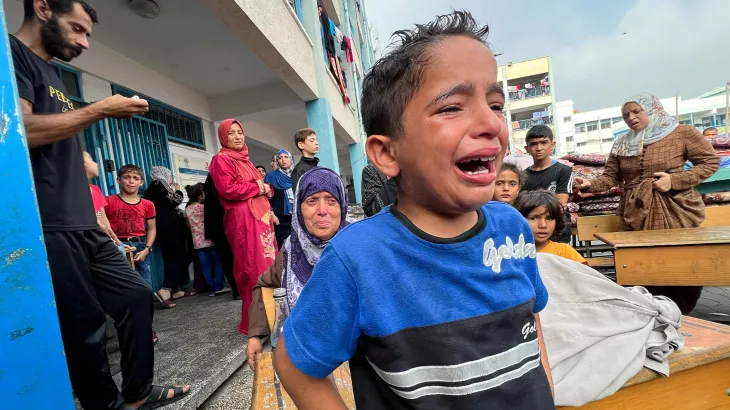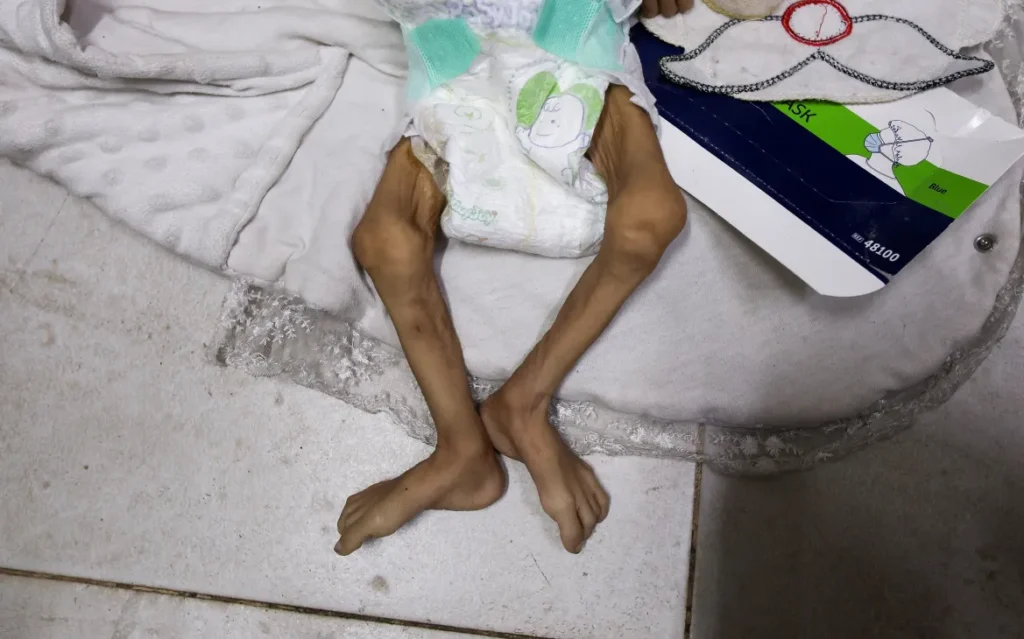
Gaza Herald – Palestinian officials and United Nations agencies have warned of a rapidly worsening humanitarian crisis in the Gaza Strip, with approximately 1.4 million Palestinians facing acute food insecurity and severe shortages of essential medicines threatening the collapse of healthcare services.
Palestinian Minister of Social Development Samah Hamad said around two-thirds of Gaza’s population is experiencing critical levels of food insecurity, stressing that the situation is a direct threat to civilian lives.
According to the latest Integrated Food Security Phase Classification (IPC) report, more than 212,000 Palestinians have entered the Emergency phase (IPC Phase 4) of food insecurity. The report also found that 74,200 children urgently require life-saving treatment for acute malnutrition, while 24,600 pregnant and breastfeeding women need immediate nutritional support to prevent serious health complications.
Hamad stressed that the limited improvement observed in recent weeks is temporary and entirely dependent on continued humanitarian aid deliveries, warning that any reduction in relief supplies could push Gaza into an even more catastrophic situation.
UN Warns Majority of Population Remains Food Insecure
UN Resident Coordinator Ramesh Rajasingham stated that 67% of Gaza’s population remains in IPC Phase 3 or higher, emphasizing the urgent need to fully reopen border crossings and restore economic activity so families can regain their purchasing power rather than relying solely on humanitarian assistance.
Meanwhile, Sean Hughes, the World Food Programme’s representative, said the agency is currently reaching about 75% of Gaza’s population through food assistance and cash-based support. He noted that the latest IPC assessment is based on the largest nutrition survey conducted in Gaza since the war began, providing the clearest picture yet of the humanitarian emergency.
Healthcare System Nearing Collapse
Gaza’s Ministry of Health also issued an urgent warning over worsening shortages of medicines and medical supplies.
According to the ministry:
• Overall medicine shortages have reached 47%.
• Medical consumables are experiencing a 58% shortage.
• Laboratory testing supplies have reached an 85% shortage, threatening the suspension of essential diagnostic services.
Cancer and blood disease medications are among the hardest hit, with 61% of essential treatments unavailable, placing thousands of patients at immediate risk due to interrupted treatment protocols.
Shortages have also affected other critical healthcare sectors:
• Maternal and child health medicines: 56% shortage
• Kidney and dialysis medications: 46% shortage
• Emergency and intensive care medicines: 33% shortage
Medical officials reported that hospitals are running critically low on complete blood count (CBC), blood gas, and clinical chemistry tests, which are essential for managing trauma patients and critically ill individuals.
Humanitarian Needs Continue to Grow
Despite ongoing discussions about implementing ceasefire agreements, humanitarian organizations warn that conditions on the ground continue to deteriorate.
Approximately 2.4 million Palestinians remain in Gaza, including an estimated 1.5 million displaced once living in shelters and camps with limited access to clean water, sanitation, healthcare, and other basic services. Extensive destruction of infrastructure has further compounded the humanitarian emergency.
The Ministry of Health renewed its appeal to international organizations to urgently facilitate the entry of medicines, laboratory supplies, and medical equipment, warning that further delays could result in the collapse of what remains of Gaza’s healthcare system.
Humanitarian agencies continue to emphasize that while emergency aid has helped prevent a broader famine, long-term recovery will require sustained humanitarian access, restoration of commercial supply routes, and reconstruction of Gaza’s devastated health infrastructure.