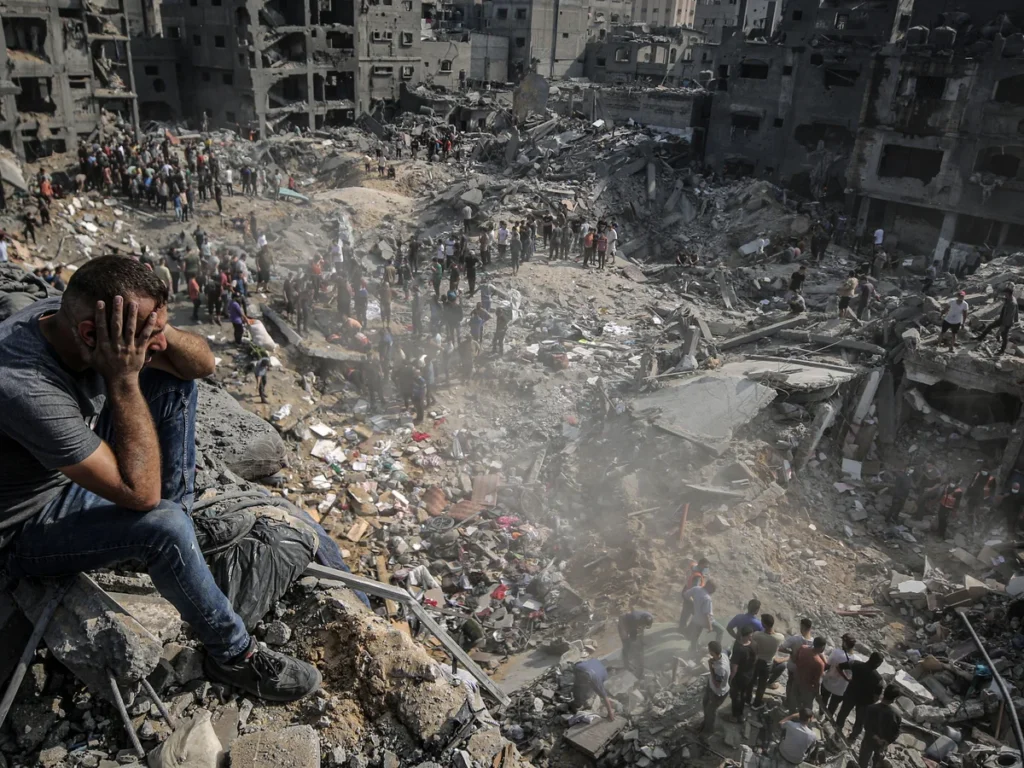
Gaza Herald – Nearly two decades after Israel imposed its blockade on the Gaza Strip, Gaza’s humanitarian and economic crisis has evolved from chronic hardship into one of the world’s most severe civilian emergencies. Since the outbreak of the genocide in October 2023, the blockade has intensified, leaving more than two million Palestinians struggling to access food, healthcare, clean water, electricity, and shelter.
The blockade extends far beyond limiting the entry of humanitarian aid. Israel maintains control over Gaza’s airspace, coastline, and most border crossings, regulating the movement of Palestinian, commercial goods, fuel, construction materials, medical supplies, and exports. Humanitarian agencies have repeatedly warned that these restrictions have severely limited relief efforts and delayed reconstruction.
The Israeli genocide has pushed Gaza’s economy to the brink of collapse. Industries, farms, fishing, and small businesses that once sustained thousands of families have either been destroyed or forced to shut down due to repeated attacks, fuel shortages, and restrictions on imports and exports. With much of the productive sector paralyzed, unemployment and dependency on humanitarian assistance have reached unprecedented levels.
Food insecurity has become one of the defining features of daily life. Humanitarian organizations warn that bringing food into Gaza alone is insufficient, as families also lack fuel for cooking, clean water, refrigeration, and stable shelter. Repeated displacement has forced many households to abandon their possessions, leaving them unable to preserve food or maintain even the most basic living conditions.
The healthcare system has also suffered catastrophic damage. Many hospitals have been destroyed or rendered partially inoperable, while severe shortages of medicines, medical equipment, fuel, and laboratory supplies continue to undermine patient care. Thousands of people requiring treatment for cancer, kidney disease, chronic illnesses, or war injuries remain unable to access specialized care, either inside Gaza or abroad.
Education has faced a similar collapse. Hundreds of schools have been damaged or destroyed, while repeated displacement has interrupted learning for an entire generation of children. Experts warn that the psychological trauma caused by war, combined with prolonged educational disruption, could have lasting consequences for Gaza’s future.
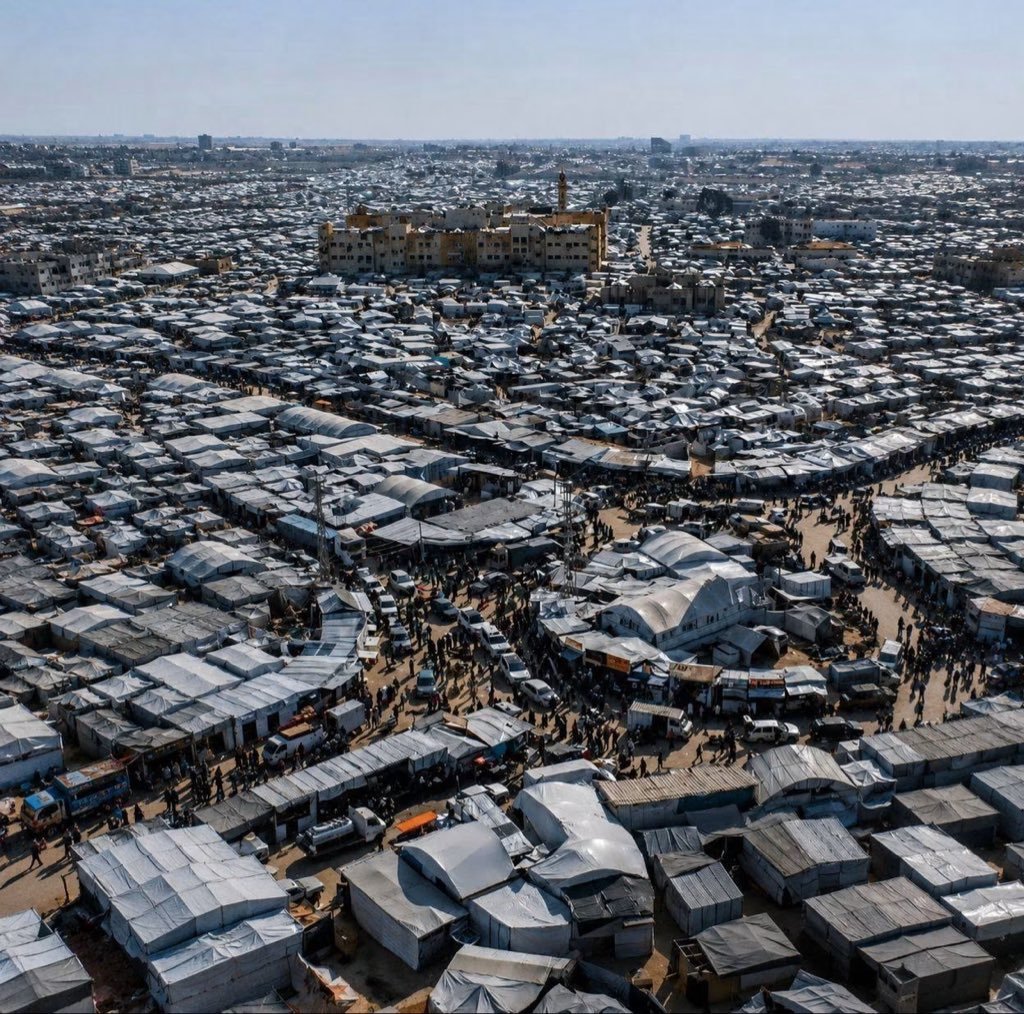
The destruction extends beyond physical infrastructure. Water and sanitation networks have been heavily damaged, electricity remains scarce, and municipal services struggle to function. Humanitarian agencies have repeatedly warned that deteriorating public health conditions increase the risk of disease outbreaks, particularly in overcrowded displacement camps where millions continue to live.
Humanitarian organizations and international observers argue that emergency aid alone cannot reverse Gaza’s crisis. While relief deliveries remain essential to saving lives, they say long-term recovery depends on sustained humanitarian access, large-scale reconstruction, economic recovery, freedom of movement for civilians and goods, and the restoration of essential public services. Without those conditions, they warn, the humanitarian emergency will continue to deepen long after the fighting subsides.