Gaza Herald – Israeli military data obtained by the Israeli newspaper Haaretz reveals that humanitarian aid deliveries to the Gaza Strip have consistently fallen short of the quantities stipulated under the ceasefire agreement, exposing a significant gap between Israel’s commitments and the supplies reaching the devastated territory.
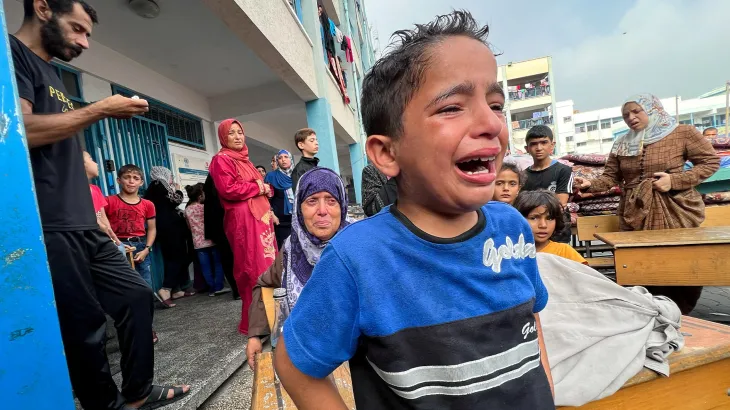
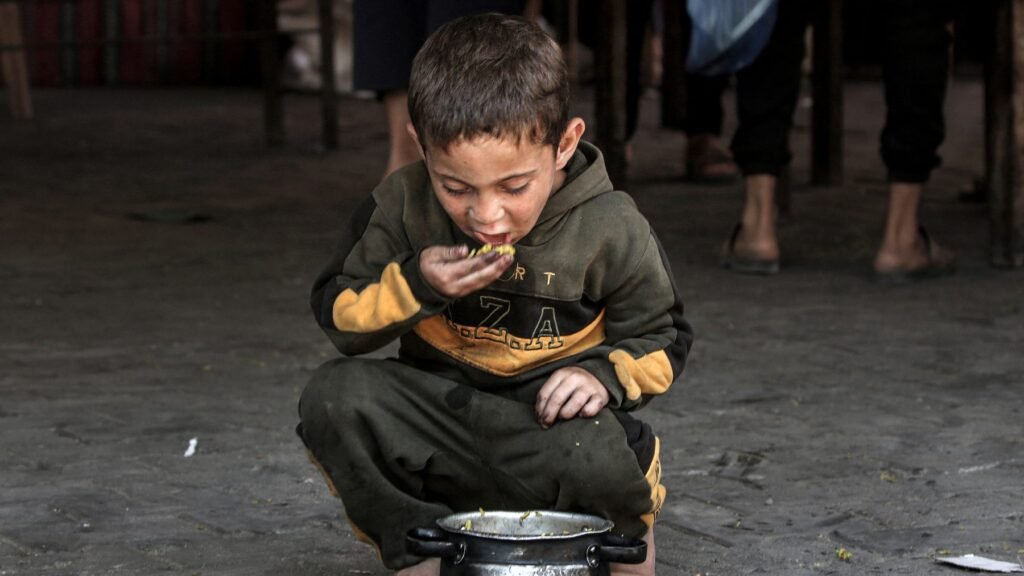
The figures show persistent shortages of food, medical equipment, tents, and materials needed to repair Gaza’s shattered infrastructure, even as worsening winter conditions deepen the suffering of displaced Palestinian families.
Under the ceasefire agreement, Israel committed to allowing approximately 4,200 aid trucks per week, equivalent to roughly 18,200 trucks per month, to enter Gaza.
However, data from Israel’s Coordinator of Government Activities in the Territories (COGAT), submitted to the U.S.-led International Gaza Support Center (IGSC), indicates that actual deliveries remained substantially below that benchmark throughout the period examined.
According to the figures, approximately 4,700 trucks entered Gaza in March, rising to 5,300 in April and more than 9,600 in May.
Deliveries increased to over 12,000 trucks in June before falling to approximately 10,000 in both July and August.
September recorded the highest monthly volume, with more than 13,000 trucks entering the territory. That figure then dropped sharply to just over 6,500 in October.
Even at September’s peak, deliveries remained well below the monthly level stipulated under the ceasefire agreement.
Israeli Figures Challenge Official Claims of Compliance
The data provides a rare insight into the gap between Israel’s publicly stated commitments and the actual volume of humanitarian supplies entering Gaza.
COGAT disputed the findings, describing them as inaccurate and maintaining that Israel is fulfilling its obligations beyond the terms of the agreement.
The agency has also stopped publishing detailed monthly breakdowns of overall aid deliveries, instead releasing figures for selected categories of supplies.
The reported shortfalls have intensified concerns about the continued restrictions on humanitarian access, particularly as Gaza struggles to recover from widespread destruction and prepare for worsening winter weather.
Floods Devastate Displacement Camps
The aid shortages come as torrential rainfall has flooded displacement camps across Gaza, leaving hundreds of thousands of Palestinians exposed to dangerous conditions.
According to a Friday report by the United Nations Office for the Coordination of Humanitarian Affairs (OCHA), flooding affected approximately 46,000 households, representing an estimated 226,000 people.
More than 40,000 shelters were damaged, including over 9,000 that were destroyed beyond repair.
For families already displaced by Israeli attacks, the flooding has compounded the loss of homes, belongings, and access to basic necessities.
The United Nations warned that floodwaters contaminated with sewage pose serious public health risks, particularly in overcrowded camps where sanitation systems have been severely damaged.
The emergency has been further aggravated by damaged healthcare facilities, shortages of essential medicines, and disruptions to medical services.
The World Health Organization (WHO) reported that approximately 950,000 displaced Palestinians are living in flood-prone areas, including more than 400,000 in locations considered at high risk.
Hamas Calls for Emergency International Intervention
Senior Hamas official Khalil al-Hayya called for an urgent international campaign to provide emergency shelter and ensure the entry of tents, heating supplies, fuel, and equipment needed to repair drainage systems.
In letters addressed to Arab and Muslim countries, al-Hayya urged governments to pressure Israel to implement the humanitarian provisions of the ceasefire agreement and complete its withdrawal.
He also called for unrestricted access for United Nations agencies and international humanitarian organizations operating in Gaza.
Al-Hayya urged the UN Security Council to convene an emergency meeting to address the deteriorating humanitarian situation and ensure the implementation of the ceasefire’s provisions.
Ceasefire Violations Continue to Claim Palestinian Lives
The humanitarian crisis is unfolding alongside continued Israeli military attacks despite the ceasefire agreement.
According to Gaza’s Ministry of Health, Israeli ceasefire violations had killed 1,643 Palestinians and wounded 5,964 others as of Saturday.
The continued attacks, combined with restrictions on humanitarian aid and the destruction of essential infrastructure, have left Palestinians facing overlapping threats to their lives, health, and safety.
For displaced families, the shortage of humanitarian supplies is no longer only a question of delayed reconstruction. It is a daily struggle to secure food, shelter, medical care, and protection from winter storms.
The Israeli military figures reported by Haaretz underscore the urgent need for full implementation of the ceasefire’s humanitarian provisions and sustained, unrestricted access to lifesaving aid. For hundreds of thousands of Palestinians living in flooded tents and damaged shelters, every delayed delivery carries potentially devastating consequences.