Gaza Herald – One thousand days since the start of Israel’s genocidal war in Gaza, the territory faces an unprecedented humanitarian, economic, and infrastructure catastrophe, with direct losses estimated at $80 billion and widespread destruction affecting nearly every sector of civilian life.
According to a report released Thursday by Gaza’s Government Media Office, approximately 223,000 tons of explosives have been dropped by the Israeli occupation across the enclave since October 2023, leaving around 90% of Gaza damaged or destroyed. The report also states that roughly 80% of the territory has come under Israeli military control, while areas previously designated as humanitarian “safe zones,” including Al-Mawasi, have been struck 241 times.
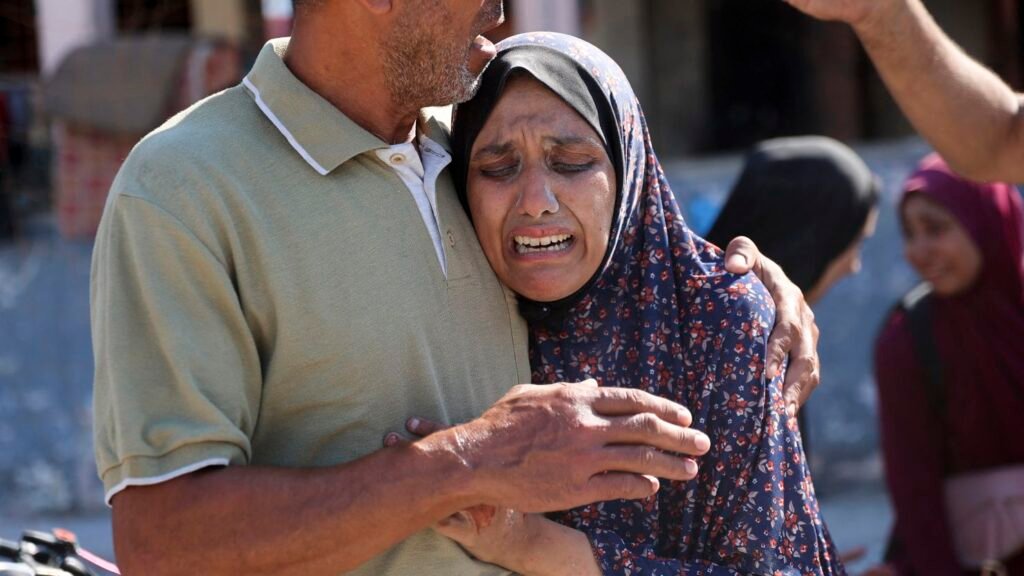
The report says the overall death toll has reached 73,066 Palestinians, with an additional more 9,500 Palestinians missing. It states that women, children, and elderly people account for 55% of those killed, including 21,500 children, among them 1,022 infants under one year old and 520 babies born and killed during the genocide.
Authorities also reported the killing of 12,500 women, 9,000 mothers, and 22,500 fathers, while 39,022 families experienced mass casualties. Of those, 2,700 families were completely wiped out, while 6,020 families were left with only a single surviving member.
The report says the genocide has claimed the lives of 1,700 healthcare workers, 145 civil defense personnel, 262 journalists, 194 municipal employees, 2,800 police and humanitarian security personnel, and 928 athletes.
Humanitarian crisis deepens
The report attributes 460 deaths to hunger, including 164 children, alongside 23 deaths linked to aid airdrop accidents and 28 deaths caused by exposure to cold weather, among them 25 children.
Health officials estimate 173,514 Palestinians have been injured, including 19,000 requiring long-term rehabilitation. The report documents 5,400 amputations, nearly one-fifth involving children, as well as 1,500 paralysis cases and 1,200 people who lost their eyesight.
It also says 362 medical workers have been detained during the conflict, with 83 reportedly still in Israeli custody.
The humanitarian toll includes 26,370 widows and 58,800 orphaned children, including 2,700 who lost both parents.
Public health conditions have deteriorated sharply, with authorities reporting more than 2.1 million infectious disease cases, 71,338 hepatitis infections, and the deaths of 43% of kidney patients. The report also records 12,000 miscarriages since the genocide began.
Health system on the brink
According to the report, 38 hospitals and 96 primary healthcare centers are no longer operational, while 197 ambulances have been bombed and destroyed. It also documents 788 attacks on healthcare facilities.
Education has also been severely disrupted. Every school in Gaza has been affected, with 81% requiring major reconstruction and 80% sustaining direct damage. Authorities say 17 universities and higher education institutions have been destroyed, preventing approximately 620,000 school students and 90,000 university students from continuing their education.
The report records the deaths of 20,051 students, 830 teachers, and 194 university academics.
Massive infrastructure destruction
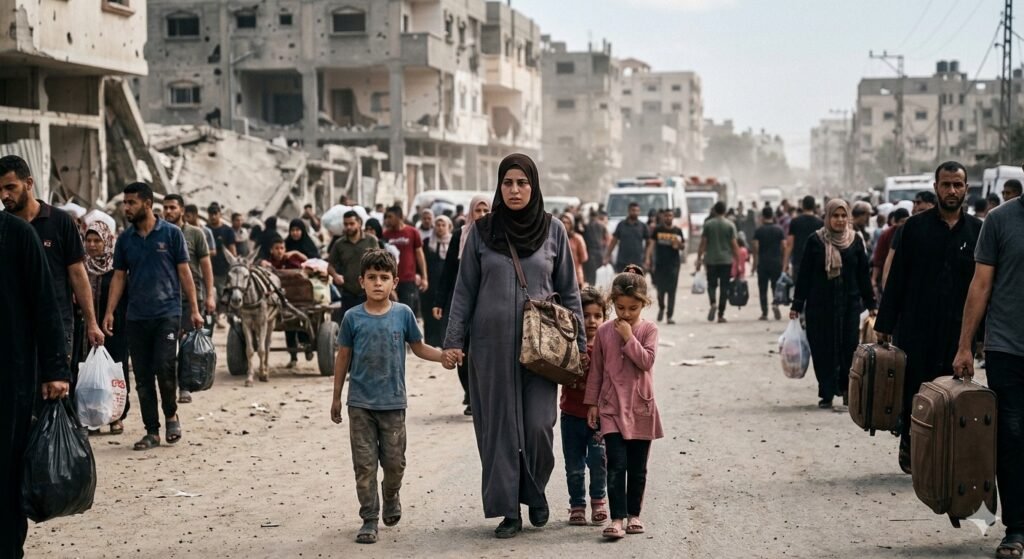
Housing losses remain among the largest categories of damage. The report states that 510,000 housing units have been affected, including 410,000 homes rendered uninhabitable. Nearly 2 million Palestinians have been displaced, while 350,000 families are currently without permanent shelter.
Infrastructure has suffered extensive damage, including water, electricity, transportation, communications, and sanitation systems. Authorities report widespread destruction of roads, power grids, water wells, wastewater networks, and public facilities.
Agriculture has also been devastated, with 87% of farmland reportedly destroyed, alongside thousands of agricultural wells, livestock farms, and fishing facilities. Vegetable production has fallen dramatically, while nearly the entire fishing sector has been disrupted.
Aid and medical access remain limited
The report states that prolonged border restrictions have prevented the entry of approximately 390,000 aid and fuel trucks. It also documents attacks affecting community kitchens, aid distribution centers, and humanitarian convoys.
Officials estimate that 650,000 children face severe malnutrition, while 40,000 infants are at risk due to shortages of infant formula. The report also highlights the urgent needs of 12,500 cancer patients, 350,000 Palestinians with chronic illnesses, and more than 100,000 pregnant and breastfeeding women.
According to the report, 22,000 patients have been unable to leave Gaza for specialized medical treatment, including 5,200 children awaiting urgent evacuation.
$80 billion in direct losses
The Government Media Office estimates direct economic losses at approximately $80 billion, with housing accounting for the largest share at $34 billion, followed by losses in healthcare, municipal services, commerce, education, agriculture, telecommunications, transportation, energy, tourism, media, and religious institutions.
The report concludes that the scale of destruction represents one of the gravest humanitarian and economic crises in Gaza’s history and warns that recovery will require years of reconstruction and sustained international support.