Gaza Herald _ At a time when Palestinian prisoners continue to face some of the harshest conditions in Israeli detention facilities, documenting their experiences has become an essential part of preserving the Palestinian narrative. In this context, the Palestinian Center for Prisoners Advocacy has welcomed the publication of Survivors of the Darkness, a new book by Palestinian journalist and writer Wesam Afifa that chronicles one of the most difficult periods in the history of the Palestinian prisoners’ movement.
A Powerful Testimony From Behind Prison Walls
The book recounts, through firsthand testimony, the experience of Palestinian prisoner Osama during two years of imprisonment amid Israel’s war on the Gaza Strip. By presenting a detailed account of daily life inside Israeli prisons during this period, the work offers readers a rare glimpse into the realities faced by Palestinian detainees under extraordinary circumstances.
The Palestinian Center for Prisoners Advocacy described the publication as a significant contribution to Palestinian literature and an important addition to the growing body of prison writings that seek to preserve the experiences of Palestinian prisoners for future generations.
Documenting One of the Harshest Chapters of Detention
According to the Center, the book stands out for its documentary and humanitarian value, as it captures personal experiences, vivid scenes, and detailed accounts from a period marked by unprecedented repression inside Israeli prisons.
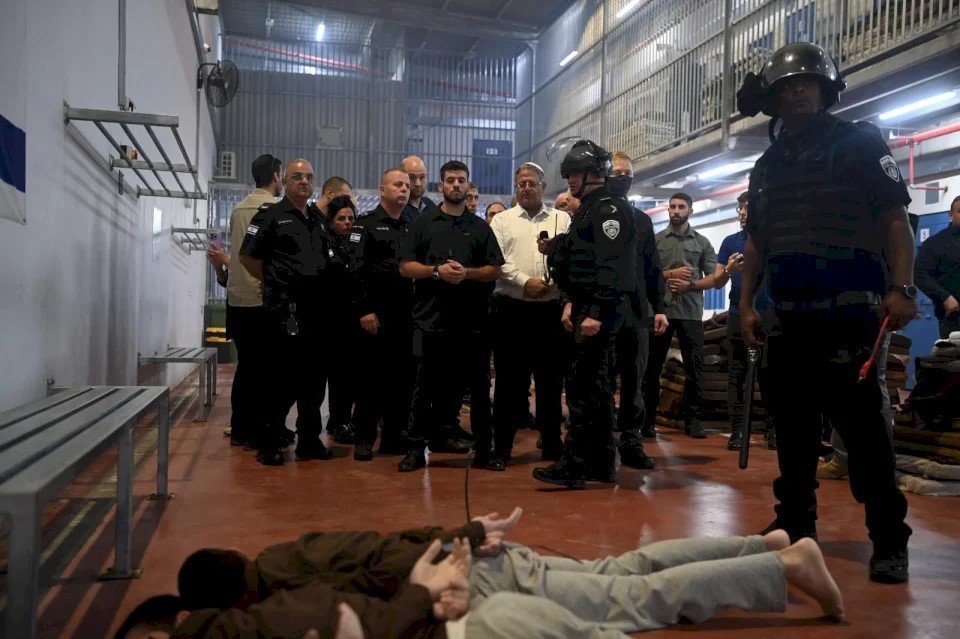
The testimonies included in the book illustrate the severe conditions prisoners endured during the war, highlighting the escalation of punitive measures, mistreatment, and restrictions that accompanied the broader military campaign in Gaza. Through these accounts, readers are introduced to stories of suffering, resilience, and determination that often remain hidden from public view.
The Center emphasized that the work records one of the most difficult and dangerous chapters experienced by the Palestinian prisoners’ movement, making it a vital source for understanding the human consequences of imprisonment during wartime.
Preserving History Through Personal Narratives
Beyond its literary significance, Survivors of the Darkness is viewed as an important historical record documenting an exceptional period in the history of Israeli prisons. The Center noted that the book preserves firsthand accounts that reflect both the pain endured by prisoners and the strength they demonstrated while confronting harsh detention conditions.
By documenting these experiences, the book serves not only as a narrative of individual suffering but also as a collective memory of a generation of prisoners who lived through extraordinary circumstances. The Center stressed that such testimonies will remain valuable references for researchers, historians, and future generations seeking to understand this period.
A Record of Alleged Violations and Abuse
The Palestinian Center for Prisoners Advocacy further stated that the importance of the book extends beyond literature and historical documentation. It argued that the work also serves as evidence of the treatment endured by Palestinian prisoners during the years of war, documenting what it described as policies of repression, humiliation, and systematic violations inside Israeli detention facilities.
According to the Center, the testimonies contained in the book provide a detailed picture of the conditions prisoners faced and help preserve information that might otherwise be lost with the passage of time.
Call to Document Prisoners’ Experiences
The Center called on Palestinian writers, intellectuals, researchers, former prisoners, and human rights advocates to continue documenting the experiences of detainees and preserving this important national and humanitarian legacy.
It stressed that the events witnessed by Palestinian prisoners during the Gaza war constitute an exceptional chapter that deserves comprehensive documentation. Recording these stories, the Center said, is essential not only for preserving historical memory but also for ensuring that future generations understand the realities experienced by prisoners during this period.
Protecting the Palestinian Narrative
The Center underscored the importance of preserving Palestinian testimonies, particularly those related to prisoners, describing them as a key tool in confronting attempts to erase or distort Palestinian history.
By collecting and publishing firsthand accounts, such works help safeguard the truth and strengthen its place within global public consciousness. The Center argued that personal narratives often provide a deeper understanding of historical events than statistics or official reports alone.
More Than a Book
Concluding its statement, the Palestinian Center for Prisoners Advocacy described Survivors of the Darkness as far more than a literary publication. It characterized the book as a profound human testimony that documents a painful chapter in Palestinian history, gives voice to prisoners whose experiences are often overlooked, and serves as a message of solidarity with those who endured some of the most difficult conditions faced by the Palestinian prisoners’ movement.
As efforts to document Palestinian experiences continue, the Center expressed hope that works such as Survivors of the Darkness will contribute to preserving memory, defending historical truth, and ensuring that the stories of prisoners remain part of the broader Palestinian narrative for generations to come.