
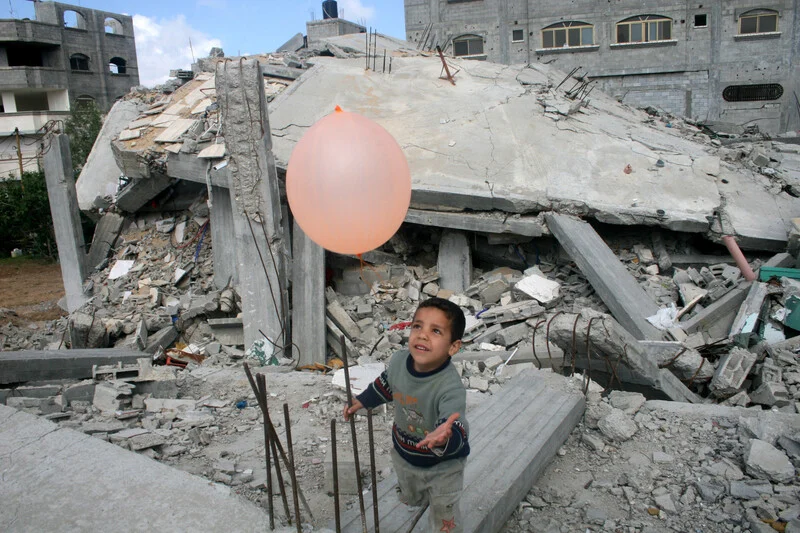
Gaza Herald _For nearly three years, the devastation of Gaza has unfolded before the world’s eyes, leaving behind tens of thousands of Palestinians killed, entire neighborhoods erased, and a humanitarian catastrophe that has drawn accusations of genocide from legal experts, human rights organizations, and international observers. At the center of growing criticism is not only Israel’s military campaign but also the role played by the United States and, in particular, President Donald Trump.
As Washington continues to provide political, diplomatic, and military support to Israel, critics say that the Trump administration has become deeply implicated in a war that has devastated Gaza’s civilian population. Far from acting as a neutral mediator, the United States has been accused of enabling Israel’s actions through weapons transfers, diplomatic protection, and opposition to international accountability efforts.
The debate surrounding Gaza increasingly extends beyond the battlefield itself. For many Palestinians and their supporters, the destruction of the enclave cannot be understood without examining the role of Washington. Successive U.S. administrations have provided Israel with extensive military assistance, but critics contend that under Trump, support for Israel has become even more unconditional despite mounting allegations of war crimes and genocide.
Human rights advocates point to continued American backing as a key factor allowing Israel to sustain military operations despite widespread international condemnation. They argue that diplomatic cover provided by Washington has shielded Israel from meaningful consequences while civilian casualties continue to rise and humanitarian conditions deteriorate.
The issue of accountability has become particularly contentious. International legal institutions have faced significant political pressure as efforts to investigate alleged crimes committed during the war have gained momentum. Critics argue that U.S. opposition to these efforts has undermined international justice mechanisms and weakened attempts to hold Israeli officials accountable.
For Palestinians in Gaza, the consequences of these political decisions are measured not in diplomatic statements but in daily survival. Entire families have been displaced multiple times, hospitals and schools have been destroyed, and access to food, water, medicine, and shelter remains severely restricted. Humanitarian organizations have repeatedly warned of famine-like conditions and the collapse of essential services throughout the territory.
Observers argue that American support has not merely influenced the conflict from afar but has played a direct role in shaping its trajectory. Military aid, intelligence cooperation, and diplomatic backing have all contributed to an environment in which Israel has been able to continue its operations despite growing global outrage.
The controversy surrounding Trump’s role has intensified as questions mount about the broader responsibilities of world powers in the conflict. Critics contend that discussions about democracy, human rights, and international law ring hollow when governments continue to support policies that have contributed to the destruction of Gaza and the suffering of its civilian population.
For many Palestinians, the story of Gaza is no longer solely about Israel’s actions. It is also about the international actors that have enabled those actions, protected them from scrutiny, and resisted calls for accountability. In that debate, Donald Trump and the United States remain central figures, with their policies increasingly viewed as inseparable from the ongoing tragedy unfolding in Gaza.

