Gaza Herald _A newly released Israeli study has concluded that the widespread hunger crisis in Gaza was not an unintended consequence of war, but the result of deliberate policies that systematically restricted Palestinians’ access to food and essential supplies.
The report, titled Data for Denial: The Smokescreen Behind the Starvation of Gaza, was published by the Forum for Regional Thinking at the Van Leer Jerusalem Institute. Its author, Israeli genocide studies scholar Shmuel Lederman, argues that public and political discourse inside Israel has largely obscured the realities of hunger in Gaza throughout the ongoing war.
Lederman said he was driven to conduct the research after witnessing what he described as a persistent refusal among many Israelis to acknowledge the scale and causes of starvation in the besieged enclave. He noted that denial of suffering has often accompanied episodes of mass violence throughout history, and believes a similar pattern has emerged in relation to Gaza.
A Climate of Denial
According to the study, Israeli officials and much of the mainstream media frequently dismissed international warnings about hunger in Gaza or reframed them to align with government narratives. While some commentators eventually acknowledged the existence of a starvation crisis, they often portrayed it as the result of isolated mistakes rather than the outcome of broader policy decisions.
Lederman argues that such explanations ignore a key principle recognized by famine researchers: starvation is determined not only by the amount of food available, but by whether people can actually access it.
His research highlights how restrictions on humanitarian aid, fuel, and cooking gas, combined with the destruction of bakeries and disruptions to relief operations, severely limited Palestinians’ ability to obtain food and sustain daily life.
The study concludes that the hunger crisis emerged through what it describes as a process of deliberate planning and management designed to keep conditions within a perceived humanitarian threshold while minimizing international pressure on Israel.
The Debate Over Aid Deliveries
One of the central issues examined in the report is the ongoing dispute over the number of aid trucks allowed into Gaza.
Throughout the war, Israeli authorities repeatedly argued that relatively small numbers of aid convoys were sufficient to meet the needs of Gaza’s population. In August 2025, COGAT, the Israeli military body responsible for overseeing civilian affairs in the occupied Palestinian territories, claimed that 80 aid trucks per day could adequately support the enclave.
However, that assessment was challenged by United Nations agencies, humanitarian organizations, and officials in the administration of former U.S. President Joe Biden. Estimates from these bodies suggested that Gaza required anywhere between 250 and 600 aid trucks each day to meet basic humanitarian needs.
The report notes that even previous estimates issued by Israeli authorities themselves pointed to significantly higher requirements. Years earlier, COGAT had stated that a much smaller population in Gaza required substantially more aid deliveries than the figures later promoted during the war.
Lederman argues that recent acknowledgments by Israeli officials that around 250 aid trucks per day were necessary effectively contradict earlier claims and raise serious questions about policies that allowed far fewer supplies into the territory.
How the Food Crisis Deepened
According to the study, the foundations of Gaza’s starvation crisis were laid during the earliest stages of the war.
For months, only a fraction of the aid needed by the population was permitted to enter the Strip. Humanitarian organizations, UN agencies, and Palestinian residents consistently reported severe shortages of food, with women and children among the hardest hit.
Although international pressure later led to a temporary increase in commercial deliveries, the report argues that restrictions on humanitarian operations remained in place. It also highlights concerns over the growing privatization of aid distribution, which researchers say benefited a limited number of commercial actors while doing little to ease suffering for the broader population.
Lederman contends that this system contributed to worsening humanitarian conditions by concentrating control over food distribution and creating opportunities for financial gain amid a deepening crisis.
Starvation as a Weapon of Pressure
The study argues that Israeli authorities increasingly used restrictions on food and humanitarian supplies as part of a broader strategy during the war.
While aid access briefly improved following international pressure, the report states that restrictions were later tightened again. By early 2025, Gaza faced a near-total blockade on food and humanitarian assistance, pushing large segments of the population toward extreme hunger.
International monitors eventually declared famine conditions in parts of Gaza, while humanitarian agencies repeatedly warned that the territory was approaching catastrophic levels of food insecurity.
According to Lederman’s findings, internal assessments reportedly acknowledged the growing risk of famine even as public statements continued to challenge international warnings.
The study further argues that hunger was used as a means of pressuring Palestinians to relocate from their homes, particularly toward southern areas of Gaza, within the framework of broader displacement policies promoted by Israeli officials.
The Role of the Gaza Humanitarian Foundation
The report points to the establishment of the Gaza Humanitarian Foundation as another example of policies that linked food access to movement and control.
According to the study, forcing desperate civilians to travel long distances to obtain food was not simply the result of poor planning. Rather, it formed part of a broader approach that leveraged humanitarian need as a mechanism of population management.
The research argues that severe deprivation was integrated into the structure of aid distribution itself, leaving many Palestinians with little choice but to navigate dangerous and often inaccessible routes in search of assistance.
An ‘Architecture of Starvation’
One of the report’s most striking conclusions is its description of Gaza as a testing ground for what Lederman calls an “architecture of starvation.”
The study argues that the territory became a laboratory for experimenting with methods of controlling a population through deprivation, alongside broader military strategies employed during the war.
According to Lederman, the implications extend far beyond Gaza. He warns that the normalization of starvation tactics could weaken long-standing international legal protections and encourage similar practices elsewhere in the world.
The report states that few modern conflicts have witnessed such a visible and systematically managed campaign of deprivation, raising profound questions about accountability and the future of international humanitarian law.
International Responsibility and Global Consequences
Lederman also places significant responsibility on Israel’s international allies, arguing that governments that continued to support Israeli policies despite mounting evidence of humanitarian catastrophe played a role in sustaining the conditions that led to widespread hunger.
He warns that the consequences of Gaza’s experience will not remain confined to the territory itself. The precedents established during the war, he argues, could influence future conflicts and shape how states approach warfare, occupation, and civilian populations.
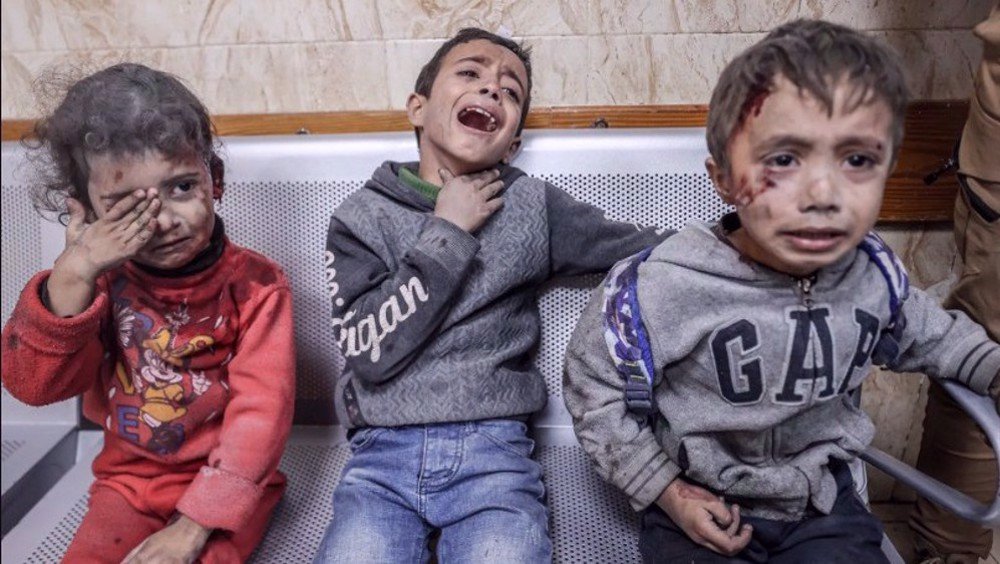
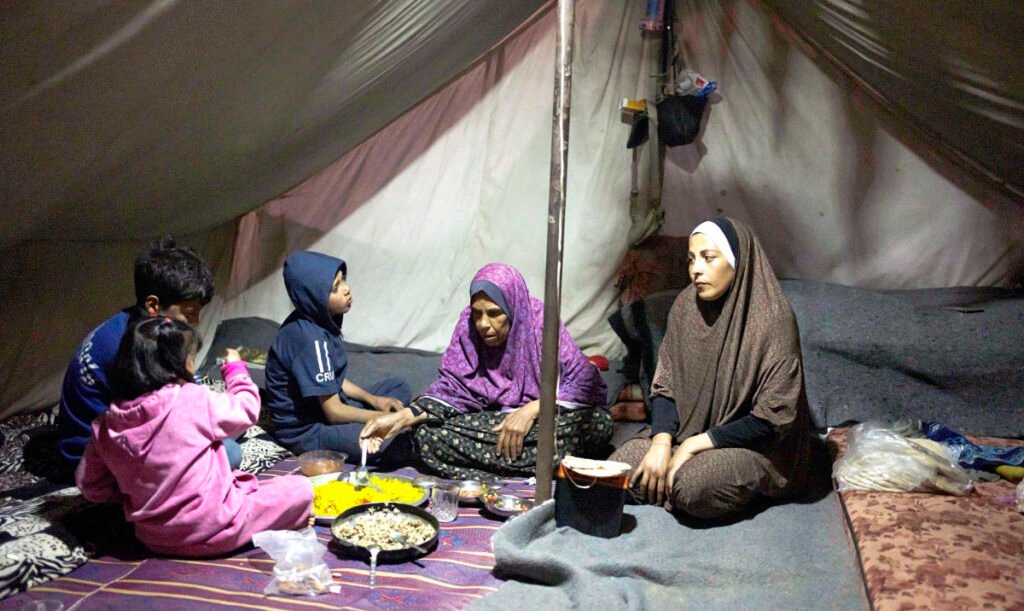
For Palestinians living through the crisis, however, the impact is measured not only in statistics or policy debates, but in daily human suffering.
As Palestinian journalist Muhannad Qishta and others have repeatedly emphasized, the destruction in Gaza cannot be understood solely through images of ruined buildings or devastated streets. Beneath every collapsed structure lies a human story of loss, displacement, and survival, a reality that continues to shape life across the Strip long after the headlines fade.