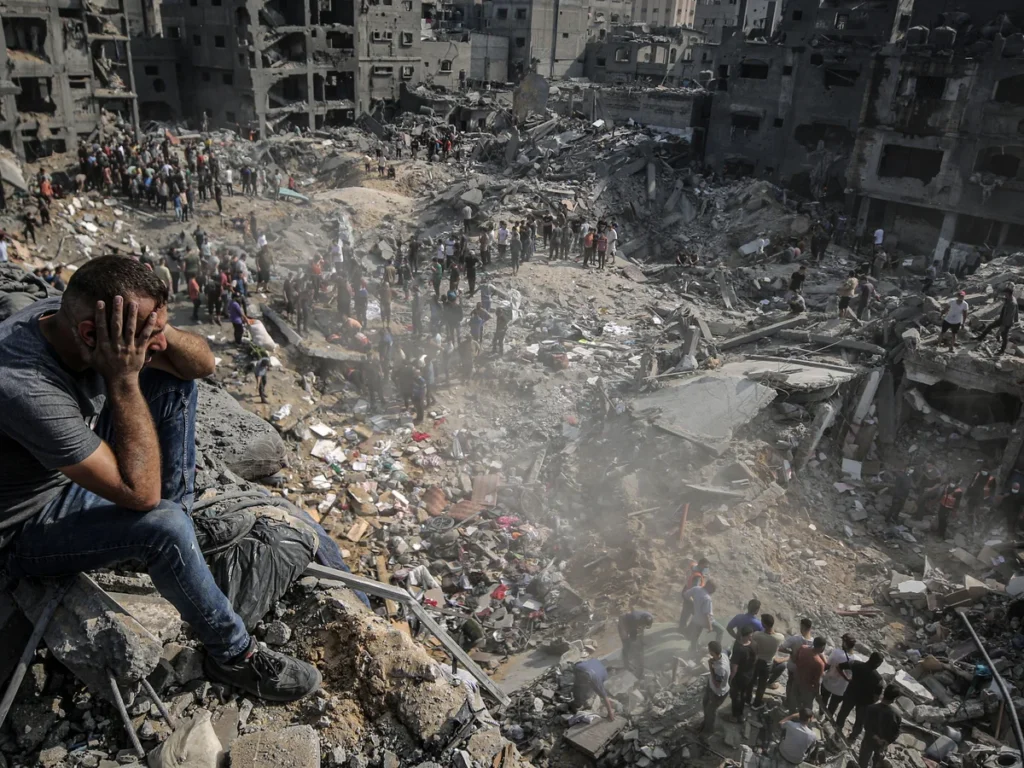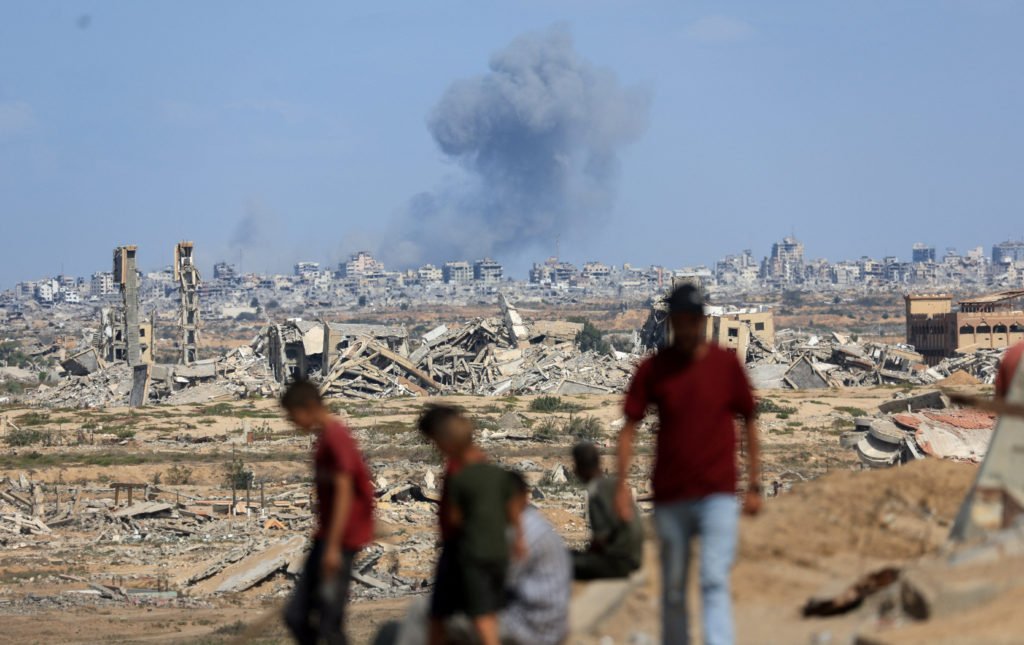
Gaza Herald – The Director General of Gaza’s Government Media Office, Ismail Al-Thawabta, has accused Israel of deliberately using humanitarian aid as a weapon against the Palestinian population, stressing that the ongoing Israeli restrictions on aid deliveries and border crossings are part of a broader strategy aimed at sustaining the ongoing genocide in the Gaza Strip. He said Israel continues to employ a policy of deliberate delay and obstruction, keeping crossings largely closed while millions of Palestinians face worsening humanitarian conditions.
Al-Thawabta stated that Israeli occupation forces have committed more than 3,000 ceasefire violations since the truce came into effect in October 2025. According to figures released by the Government Media Office, these violations have resulted in the killing of hundreds of Palestinians, thousands of injuries, and dozens of arrests. He argued that the continued attacks demonstrate Israel’s disregard for international agreements and ceasefire commitments.
The Palestinian official highlighted a severe shortfall in humanitarian aid entering Gaza. While previous agreements reportedly called for the entry of more than 139,000 aid and commercial trucks, only around 50,000 have been allowed into the besieged territory. He said this represents a compliance rate of just 36%, leaving Gaza’s population deprived of the vast majority of its essential food, medicine, and basic supplies amid an escalating humanitarian crisis.
Al-Thawabta also warned that restrictions on patient travel have compounded the suffering of Gaza’s residents. Thousands of wounded and critically ill Palestinians remain unable to leave the Strip for urgently needed treatment. He noted that only a fraction of those approved for medical evacuation have been permitted to travel, leaving many patients trapped inside a healthcare system already strained by shortages of medicines, equipment, and fuel.
The crisis has been further intensified by ongoing restrictions on fuel imports and spare parts needed to maintain electricity generators. Al-Thawabta said hospitals, water facilities, and sewage treatment plants are facing growing risks of collapse as essential infrastructure struggles to function. He warned that the continued blockade threatens to accelerate both public health and environmental disasters across the territory.
Stating that the situation as a march toward famine, Al-Thawabta said signs of widespread hunger are already emerging throughout Gaza. He called on regional mediators and the international community to move beyond expressions of concern and take concrete action to compel Israel to fully open crossings, allow unrestricted humanitarian access, facilitate medical evacuations, and ensure the entry of fuel and essential supplies. Without immediate intervention, he warned, Gaza faces the prospect of an unprecedented humanitarian collapse affecting more than two million Palestinians.