Gaza Herald — Gaza’s battered healthcare system faces another acute crisis as meningitis infections surge across the besieged Strip, prompting health officials to warn that surviving hospitals may be unable to contain a wider outbreak. Severe drug shortages, ruined medical infrastructure, and worsening living conditions have left thousands of Palestinians, above all infants and young children, dangerously exposed to the disease.
Zaher al-Wahidi, spokesperson for Gaza’s Ministry of Health, warned that hospitals will struggle to manage a large-scale outbreak if infections keep climbing at their current pace. He noted that reported cases have jumped to roughly eight times their normal levels, straining medical facilities operating with minimal resources.
Al-Wahidi also pointed to acute shortages of vital medicines, especially antibiotics needed to treat bacterial meningitis. Repeated pledges of assistance from international and United Nations bodies have failed to bring sufficient supplies into Gaza, he said, while Israeli blockade restrictions continue blocking urgently needed medical items.
Gaza’s Ministry of Health has recorded 15 meningitis-related deaths since the start of 2026. In October alone, 272 cases were logged, compared with a normal monthly average of 30 to 50 cases, including 108 bacterial meningitis cases, followed by another 100 bacterial cases in the first weeks of November.
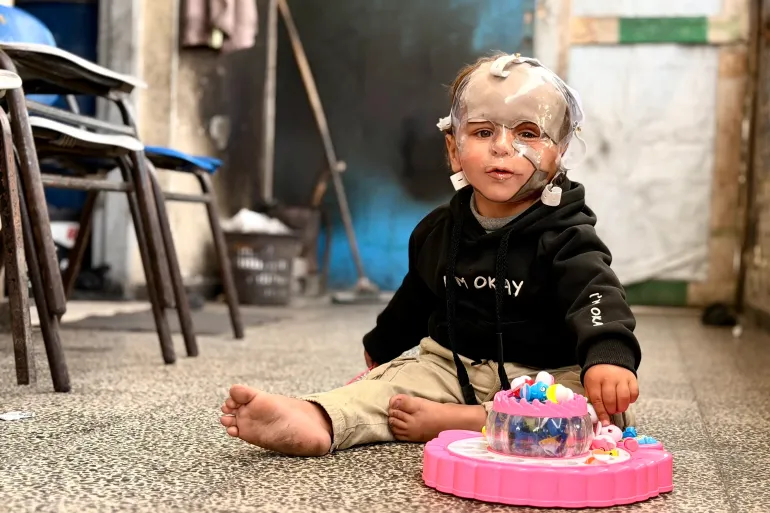
Separate United Nations figures presented by UNICEF during a November 24 briefing documented more than 533 meningitis cases and four deaths since October. According to the UN, infants under one year old accounted for 71 percent of recorded cases, while 73 percent of patients were displaced Palestinians living inside temporary shelters and displacement sites, underscoring the severe risk facing babies and young children vulnerable to serious meningitis complications.
Displacement and Ruined Infrastructure Fuel Disease Spread
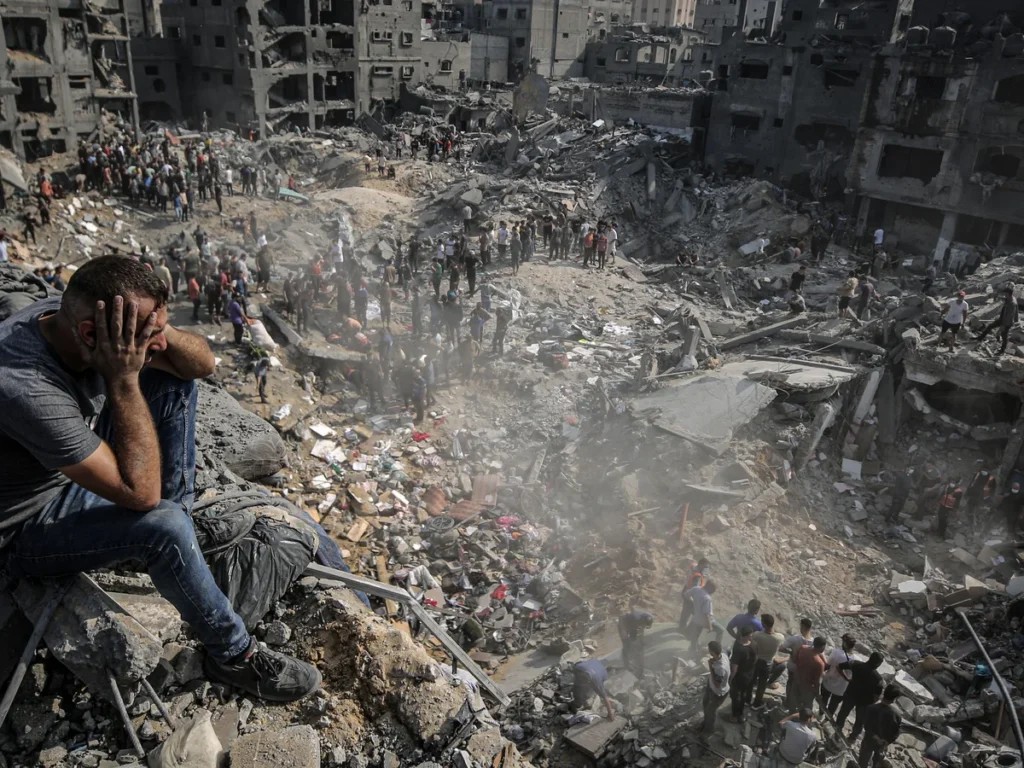
The escalating outbreak unfolds amid a public health emergency driven by the destruction of hospitals and clinics, mass displacement, and the collapse of water and sanitation systems during Israel’s genocidal war on Gaza.
Repeated displacement has pushed Palestinian families into packed shelters and makeshift tents with scarce clean water, inadequate sanitation, and minimal hygiene supplies—conditions that accelerate infectious disease transmission, particularly among children living in dense camps.
Wrecked water and sewage networks have further degraded public health conditions. Sewage-contaminated water and poor sanitation can aid the spread of viruses linked to meningitis, including enteroviruses, while crowding and poor ventilation can speed transmission of respiratory infections, including bacterial pathogens that cause meningitis.
Malnutrition and prolonged food deprivation have compounded that vulnerability. Weakened by inadequate nutrition, children and other at-risk groups face greater danger from infections and harder recoveries. A study published in BMJ Global Health in April 2026 examined links between forced displacement, malnutrition, damaged healthcare infrastructure, and meningitis spread in Gaza, highlighting how crowding, contaminated water, poor sanitation, and disrupted medical services fuel transmission. That research also documented an earlier surge between May and August 2025, when 1,043 cases were recorded, mostly among infants under one year old.
Medicine Shortages and Lab Gaps Cripple Hospital Response
Repeated damage to and disruption of healthcare facilities have severely eroded Gaza’s ability to detect, track, and treat infectious diseases. Hospitals are confronting the outbreak with scarce diagnostic tools, depleted drug stocks, and inadequate medical supplies.
The World Health Organization has warned that limited laboratory capacity makes distinguishing viral from bacterial meningitis increasingly difficult, complicating disease surveillance and delaying targeted treatment. Drug shortages are equally severe: United Nations data show roughly 42 percent of essential medicines were completely unavailable in October, further constraining hospitals’ ability to meet rising demand.
Distinguishing viral from bacterial meningitis is vital because bacterial infections can progress rapidly and prove fatal without timely treatment, while survivors risk lasting complications such as hearing loss and neurological damage. Yet medical teams in Gaza must fight the outbreak amid damaged buildings, restricted lab testing, and missing essential drugs.
Infants and Displaced Families Bear the Heaviest Toll
For Palestinian families already battling displacement, hunger, and home destruction, rising meningitis cases represent another potentially lethal fallout of Gaza’s collapsing living conditions. The high share of cases among infants and displaced residents shows how heavily the illness strikes those in the most precarious settings, where crowded tents, poor sanitation, and limited medical access heighten danger for babies and young children.
As infections climb and hospitals lack the means to mount a full response, Gaza’s health authorities warn that the outbreak could overwhelm remaining medical facilities. Without urgent medical support, diagnostic supplies, and immediate entry of essential medicines and relief items, the surge threatens more lives, turning a treatable, preventable infection into another devastating loss for Gaza’s youngest generation. ity makes distinguishing viral from bacterial meningitis increasingly difficult, complicating disease surveillance and delaying targeted treatment. Drug shortages are equally severe: United Nations data show roughly 42 percent of essential medicines were completely unavailable in October, further constraining hospitals’ ability to meet rising demand.
Distinguishing viral from bacterial meningitis is vital because bacterial infections can progress rapidly and prove fatal without timely treatment, while survivors risk lasting complications such as hearing loss and neurological damage. Yet medical teams in Gaza must fight the outbreak amid damaged buildings, restricted lab testing, and missing essential drugs.