Gaza Herald –At least six Palestinians were killed and 33 others wounded across the Gaza Strip over the past 24 hours, Gaza’s Ministry of Health reported Sunday, as Israeli forces continued airstrikes, shelling and building demolitions despite the ceasefire agreement.
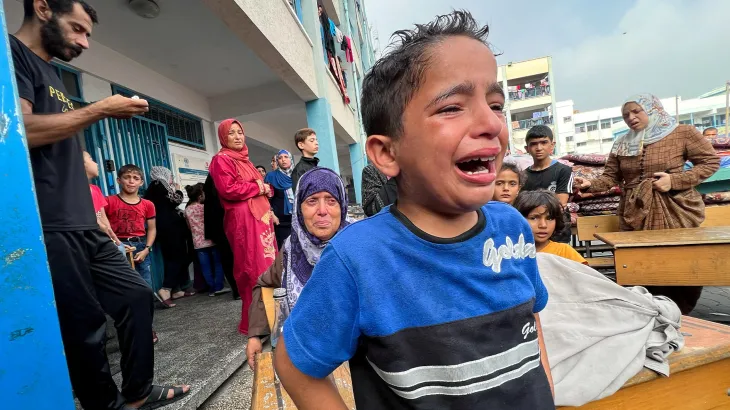
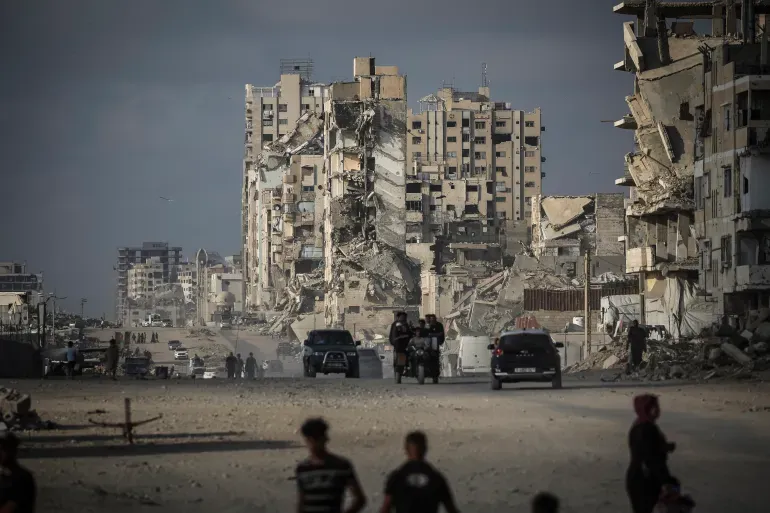
The latest casualties underscore the continuing toll on Palestinian civilians as Israeli military operations persist across the devastated enclave, where displaced families are struggling to survive amid widespread destruction, shortages of essential supplies and deteriorating living conditions.
Medical sources reported that two Palestinians died from wounds sustained in an Israeli airstrike targeting the al-Mawasi area of Khan Younis early Sunday. Five others were wounded in the same attack.
In central Gaza, 50-year-old Louai Jawad Adib Abu Eid was killed when an Israeli drone dropped an explosive near the mills in Deir al-Balah.
Several other Palestinians were injured when Israeli drones targeted a group of residents in the Bir al-Najja area of northern Gaza.
Medical and emergency sources also reported that the body of a Palestinian man shot by Israeli forces was brought to Al-Shifa Hospital. Three other civilians were reportedly wounded in the same incident in the Jabalia area.
Israeli Shelling and Demolitions Continue Across Gaza
Israeli military operations continued across several parts of the Gaza Strip, with heavy gunfire and artillery shelling reported east of Khan Younis.
Israeli tanks also opened fire northwest of Rafah, while naval vessels fired shells toward the Gaza City coastline.
Meanwhile, Israeli forces continued demolishing buildings east of the so-called Yellow Line, adding to the destruction of residential areas across the enclave.
The continued attacks and demolitions have deepened concerns over the safety of Palestinian civilians and the fragility of the ceasefire, particularly as thousands of displaced families remain without adequate shelter.
According to Gaza’s Ministry of Health, Israeli attacks since the ceasefire took effect in October 2025 have killed 1,675 Palestinians and wounded 6,095 others.
The ministry reported that the cumulative death toll since October 7, 2023, has reached 74,742 Palestinians killed and 176,227 wounded.
Disease Threatens Displaced Families as Health Conditions Deteriorate
Beyond the immediate casualties from Israeli attacks, Gaza’s population faces an escalating public health emergency.
Health officials warned of a sharp rise in meningitis cases amid widespread environmental contamination, damaged water and sewage infrastructure, and deteriorating living conditions.
Displaced Palestinian families remain particularly vulnerable as overcrowding, inadequate sanitation and shortages of essential medical supplies increase the risk of infectious diseases.
Health authorities called for urgent international intervention to contain the spread of disease and protect vulnerable communities, especially children and displaced families.
Patients Evacuated as Humanitarian Needs Continue to Grow
The Palestinian Red Crescent Society reported the evacuation of 46 people through the Rafah crossing, including 23 patients and 23 accompanying caregivers.
The evacuees received medical care at the al-Mawasi Field Hospital before traveling abroad for further treatment in coordination with representatives of the World Health Organization.
Meanwhile, the Egyptian Red Crescent dispatched its 317th humanitarian convoy, carrying approximately 3,445 metric tons of aid supplies intended to support Palestinian families facing worsening winter conditions and severe shortages of basic necessities.
Despite these efforts, Gaza’s humanitarian needs remain immense.
Rescue teams continue to struggle to reach Palestinians trapped beneath collapsed buildings because of equipment shortages and security risks associated with ongoing military operations.
More than two million Palestinians remain heavily dependent on humanitarian assistance for food, shelter and medical care as the destruction of homes, hospitals and essential infrastructure continues to undermine daily life.
For families who have endured repeated displacement, the ongoing attacks have compounded an already devastating humanitarian crisis, leaving many without secure shelter, reliable access to health care or the basic necessities of survival.