Gaza Herald – Fatih Birol, head of the International Energy Agency (IEA), warned that the US-Israeli war on Iran has crushed confidence in the Strait of Hormuz as a reliable energy export route. He stated there is no credible pathway back to the conditions of February 2026.
Birol wrote in The Economist that shipping flows through the strait have been blocked once with disruptive effects on markets. He added that confidence in the corridor for energy and goods has been crushed and it can happen again.
The agency noted the world can manage without the strait but it would be difficult. Developing alternative pipelines around the waterway requires around $40bn according to its World Energy Outlook report published on Thursday.
This investment adds around $2 to the cost of a barrel of oil exported from the Middle East. An additional $200bn must be spent on alternative energy sources outside the region to support this transition effectively.
New pipeline projects are under construction or consideration in the Middle East to pump seven million barrels per day. These projects allow producers to reach international markets without going through the strait if completed.
The IEA said non-Gulf producers stepping up output and importers reducing demand could reduce transit need to two million barrels per day by 2035. This Low Hormuz Case summarizes how the strategic waterway becomes less relevant.
Saudi Arabia wants to expand its East-West Pipeline capacity terminating at the Red Sea port of Yanbu. The UAE is doubling down on pipelines to bypass the chokepoint as countries race to find alternatives.
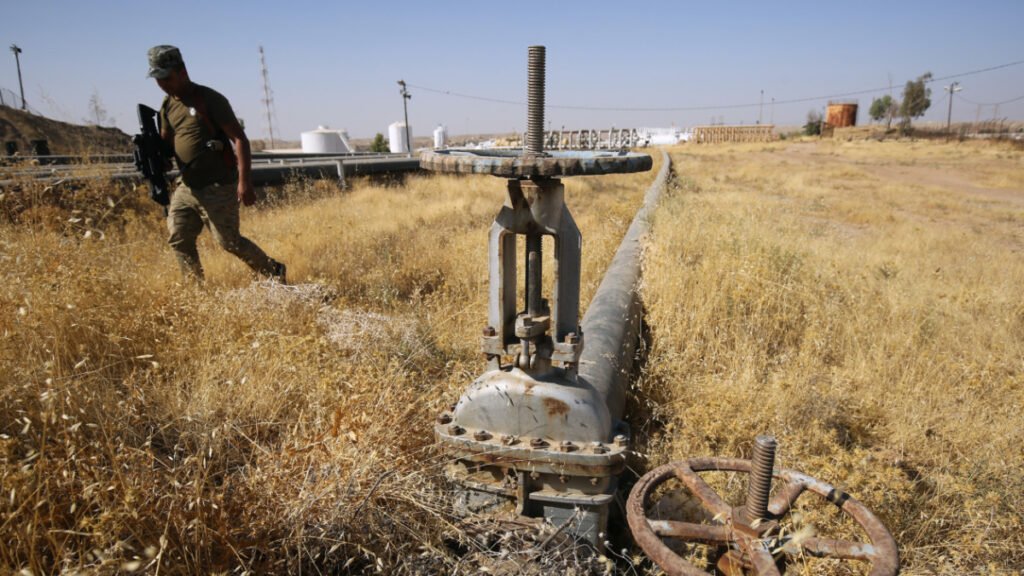
Iraq resumed pumping crude oil for export through the Kirkuk-Ceyhan Pipeline to Turkey this week. It looks to bypass the Strait of Hormuz while efforts continue to revive a pipeline connection between Iraq and Syria.
Pipelines remain vulnerable to attack even with bypass routes. Saudi Arabia’s East-West Pipeline has come under attack from Houthis and militias in Iraq despite being an alternative route.
If the Middle East is unstable then alternative routes for Gulf exports are likely to be vulnerable too. Diversification away from the strait is possible over time but not for the Middle East as a whole.
This report was produced in the Gaza Herald newsroom.