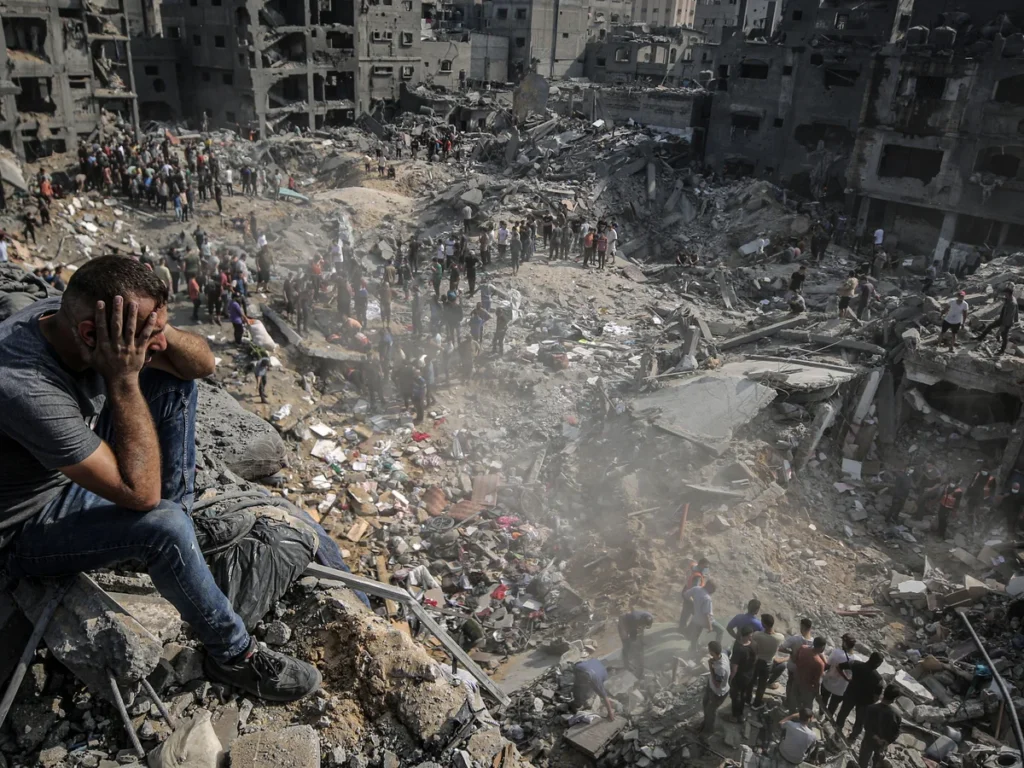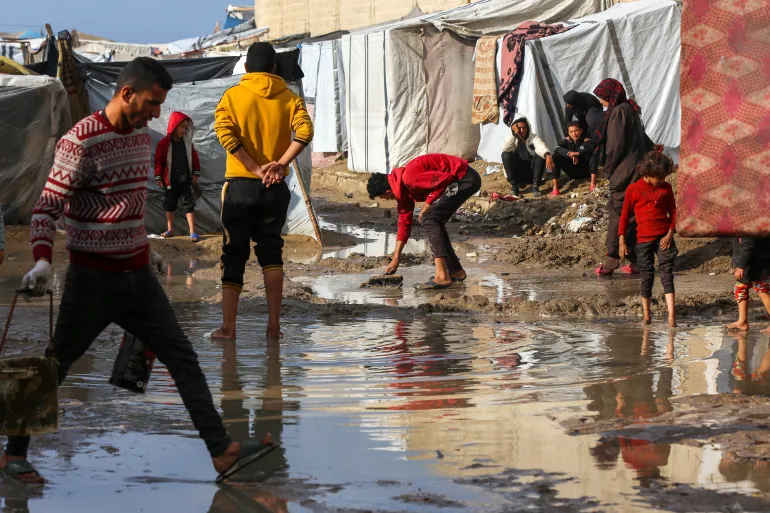
Gaza Herald _As temperatures drop and winter rains approach, Gaza’s remaining hospitals are bracing for a catastrophic surge in seasonal illnesses while operating on the absolute brink of total collapse.
Palestinian health authorities and local relief workers warn that cold, damp conditions and severe flooding will trigger massive outbreaks of respiratory infections, pneumonia, and gastrointestinal diseases among hundreds of thousands of displaced families forced to live in frayed tents and makeshift shelters without heating, clean water, or sanitation. This seasonal crisis comes at a moment when the healthcare network has been systematically decimated by Israel’s genocidal war, leaving hospitals completely unequipped to handle new waves of patients.
The human infrastructure of Palestinian medicine has been deliberately targeted and depleted, creating critical shortages of specialized medical care that cannot be easily replaced. According to health officials, nearly 1,700 healthcare workers have been killed by Israeli forces, including roughly 154 medical specialists, while at least 83 specialist doctors remain forcibly disappeared in Israeli detention facilities. Key fields such as orthopedic surgery, neurosurgery, and advanced trauma care have been stripped of their most experienced personnel, forcing overworked remaining staff, like those at Al-Shifa Medical Complex, to perform life-saving surgeries while simultaneously managing continuous influxes of mass casualties from ongoing military bombardments.
Beyond the loss of specialized personnel, the diagnostic and technical equipment required to save lives has been systematically dismantled or denied maintenance under the tight blockade.
The number of operational imaging and diagnostic machines across Gaza has plummeted from 635 before the war to roughly 240 today, severely delaying critical diagnoses and surgical interventions.
In pediatric units across the Strip, including facilities like Al-Sadiq Hospital, life-saving incubators and intensive care beds lie non-functional due to a complete lack of replacement parts, laboratory reagents, and functional surgical equipment, rendering incoming international medical delegations largely hamstrung without the tools needed to operate.
Compounding this technical breakdown is the constant, weaponized threat of fuel deprivation. Hospitals across the enclave remain entirely dependent on aging, overworked generators to maintain power for intensive care units, neonatal incubators, operating rooms, and oxygen plants. Israeli restrictions on fuel deliveries threaten to cut power to over 20 remaining hospitals and medical centers at any moment, turning basic seasonal treatable conditions into widespread mortality.
As winter sets in, Gaza’s health sector is not merely fighting to stay open; it is fighting against an deliberate policy of structural deprivation that transforms every broken generator and blocked supply truck into a fatal instrument of war.