Gaza Herald — Gaza’s already devastated healthcare system is facing another severe crisis after the World Health Organization reportedly ended diesel support for 20 non-governmental health facilities on September 19 because of funding shortages, forcing hospitals to reduce essential services as fuel supplies run dangerously low.
According to Gaza health officials and Palestinian medical organisations, the affected facilities include 13 hospitals and seven health centres that rely heavily on diesel-powered generators to keep operating theatres, maternity wards, laboratories, medical equipment and other essential services running.
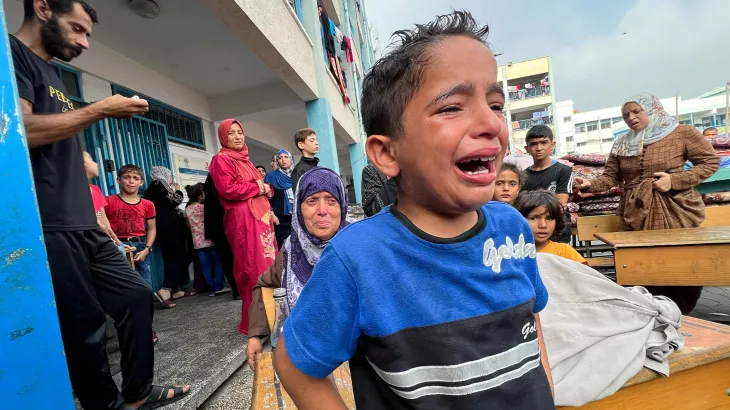
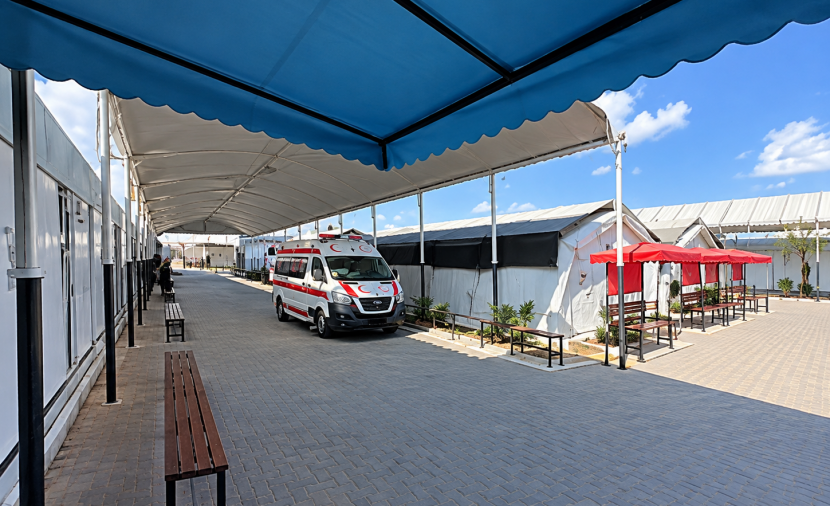
Field hospitals and non-governmental medical facilities have become increasingly important as much of Gaza’s healthcare infrastructure has been destroyed or rendered inoperable during Israel’s genocidal war. Without sufficient fuel, oil and spare parts for generators, several facilities have begun suspending services or limiting treatment to the most urgent cases.
Kuwait Specialized Hospital in Khan Younis is among the facilities severely affected. The hospital announced that fuel shortages had forced it to curtail services, leaving essential departments struggling to operate.
The hospital has played a major role in providing free medical care after its main facility in Rafah was destroyed during the Israeli military offensive in May 2024. Its current field facility in Khan Younis has continued treating thousands of Palestinians despite shortages of medicines, medical supplies, fuel and equipment.
Hospital director Suhaib al-Hams warned that the fuel crisis comes on top of longstanding shortages of saline solutions, antibiotics, painkillers, disinfectants, medical equipment and generator supplies, leaving the facility increasingly unable to maintain normal operations.
The hospital has also struggled with the rising cost and scarcity of generator oil, spare parts and other essential materials needed to keep medical equipment and ambulances functioning.
The crisis has spread beyond Kuwait Specialized Hospital. Al-Wafa Hospital for Medical Rehabilitation and Specialized Surgery has also reduced services because of shortages of fuel and maintenance materials.
Al-Wafa temporarily suspended outpatient clinics, surgical operations, outpatient physical and occupational therapy, speech therapy and treatment for swallowing disorders, warning that additional services could be affected if the shortages persist.
Gaza’s remaining hospitals depend heavily on generators because of the collapse of the electricity system, making reliable fuel supplies essential for operating theatres, intensive care equipment, oxygen systems, laboratories and the refrigeration systems used to preserve medicines and vaccines.
Health officials and medical organisations have warned that simultaneous shortages of fuel, medicines, medical supplies, generator oil and spare parts are pushing Gaza’s remaining healthcare facilities towards further collapse.
Without urgent funding and reliable access to fuel and medical supplies, doctors warn that hospitals will be forced to cut additional services, leaving thousands of patients without access to surgeries, rehabilitation, maternity care and other essential treatment.
This report was produced in the Gaza Herald newsroom.