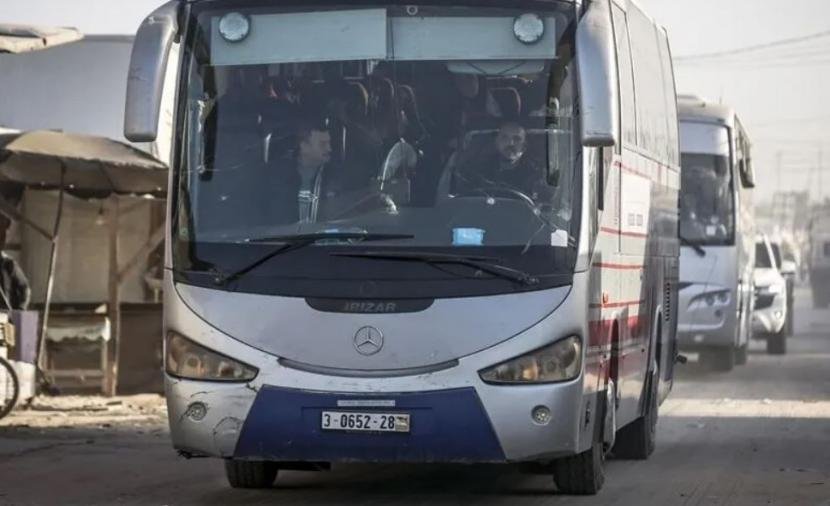
Gaza Herald – Anwar Abu Alba, head of the bus owners’ union in the Gaza Strip, confirmed on Sunday that approximately seventy percent of local buses have ceased operations. He attributed this collapse to acute shortages of vehicles, spare parts, lubricants, and tires.
Abu Alba explained that Israeli occupation restrictions prevent the entry of these essential supplies. The blockade has effectively paralyzed the maintenance capabilities required to keep the aging fleet running amidst ongoing conflict conditions.
Talking to Palestine Sound Radio, he noted that damage to roads and streets since the start of the aggression has worsened the crisis. Widespread destruction and scattered concrete rubble make bus movement significantly more difficult and lead to frequent mechanical failures.
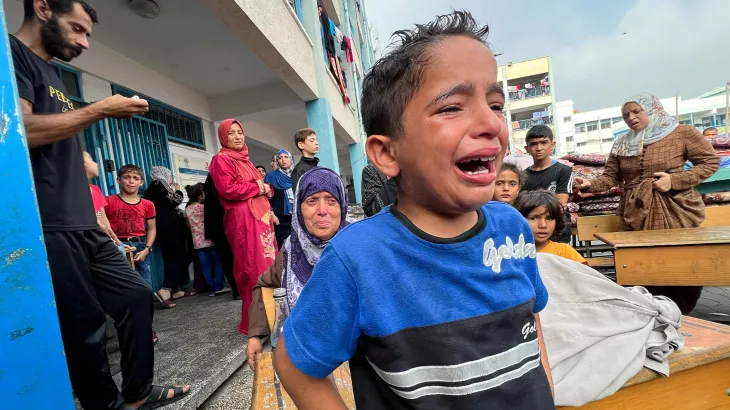
The transportation crisis has severely impacted school student transfers. Abu Alba highlighted that the number of operational buses has dropped drastically, leaving many students without reliable transit options during critical educational hours.
He specified that only thirty percent of the original four hundred fifty buses designated for transport remain functional. The union leader warned that the daily count of working buses continues to decline, threatening the survival of the remaining units.
Rising operational and repair costs have placed immense pressure on transport companies. Abu Alba stated that firms once owning twenty or thirty buses can now operate only about six vehicles due to financial constraints and lack of resources.
Current solutions are temporary measures involving dismantling parts from broken buses to keep others running. This scavenging approach is unsustainable as the pool of donor vehicles shrinks with each passing day.
Abu Alba emphasized that urgent intervention is needed to allow the import of tires, oils, and spare parts. Immediate repairs and maintenance of stopped buses are critical to preventing total systemic failure.
The situation reflects a broader humanitarian and logistical emergency within the enclave. Without external support and access to necessary materials, the public transport network faces imminent collapse.
Union representatives continue to call for international attention to this specific aspect of the crisis. They argue that restoring basic mobility is essential for the recovery of daily life and economic activity.
The reliance on makeshift repairs highlights the severity of the supply chain disruption. Each day without new parts brings the fleet closer to complete immobility.
This report was produced in the Gaza Herald newsroom.