Gaza Herald — Israel is once again signaling a potential full-scale military invasion and long-term re-occupation of Gaza City, a move that Palestinian analysts and observers warn is designed to derail diplomatic progress, undermine US.-backed peace initiatives, and entrench an ongoing campaign of collective punishment.
The Israeli military recently indicated it could launch a sweeping offensive following its upcoming domestic elections, framing the move as a necessary measure to disarm Palestinian resistance factions. However, regional analysts view the threats as a tactical ploy by the Israeli government, either to extract unilateral concessions under duress or to prepare the public for an aggressive expansion of its military presence.
This posturing directly threatens the 15-point roadmap proposed by the US administration and its envoy, Nickolay Mladenov, which outlines a framework for a phased Israeli withdrawal, humanitarian access, and Gaza’s reconstruction. By continuously linking any military pullout or vital aid delivery to the total, upfront surrender of all Palestinian resistance groups, Israeli officials are effectively holding Gaza’s civilian population hostage and sabotaging the political track before it can advance.
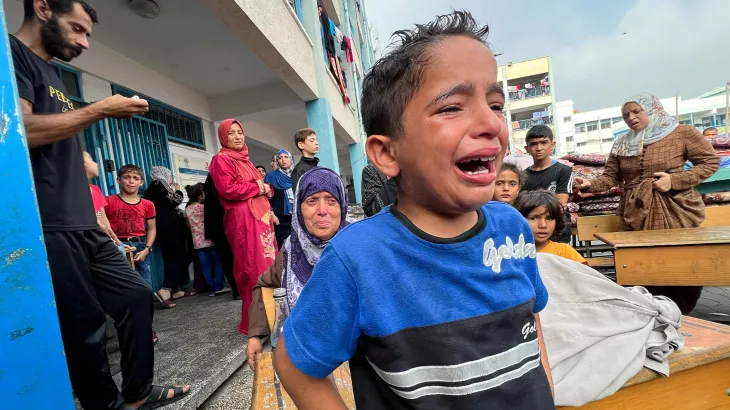
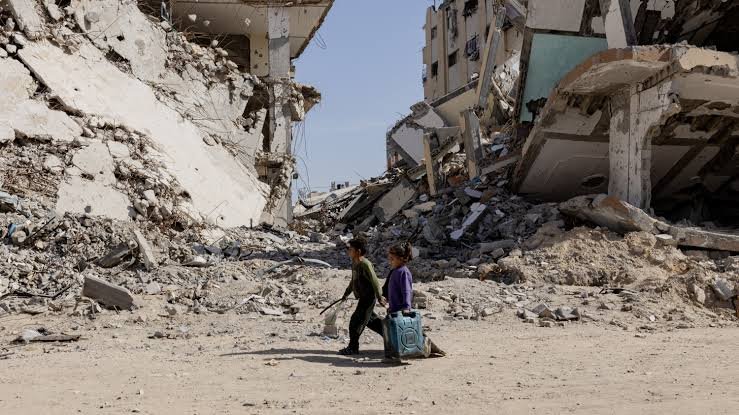
Palestinian political analyst Hani al-Aqqad highlighted that an Israeli re-occupation of Gaza City would carry devastating humanitarian consequences and plunge the region into deeper turmoil. Beyond the immediate destruction, Israel would assume the full legal and logistical burden of an occupying power required to manage basic services—a burden it has historically attempted to shirk while maintaining a tight siege. Al-Aqqad noted that any attempts by Israel to install a compliant, proxy administration to govern on its behalf would be met with total Palestinian rejection and resistance, making such an arrangement unviable.
Al-Aqqad argued that the Palestinian political leadership and resistance factions could counter Israeli pretexts by emphasizing their commitment to a unified national framework, demanding firm, legally binding international guarantees that compel Israel to end its military operations and commit to a complete withdrawal.
Political analyst Firas Yaghi observed that the Israeli military’s aggressive posturing reflects domestic political pressure and systemic militarism. However, he noted that the Israeli military itself is severely strained after extended combat across multiple fronts, including Gaza, Lebanon, and the occupied West Bank, raising serious doubts about Israel’s capability to sustain another ground occupation without incurring unsustainable losses.
Yaghi also pointed out that Prime Minister Benjamin Netanyahu’s brinkmanship is heavily driven by survival politics. Dependent on extreme far-right coalition partners who openly champion permanent occupation and the ethnic cleansing of Palestinians, Netanyahu continues to prioritize his own political longevity over diplomatic solutions.
While Israel uses posturing to stall the diplomatic track, vital humanitarian relief, border crossing operations, and international stabilization efforts remain gridlocked. Analysts emphasize that whether the roadmap moves forward or collapses into further military aggression depends on whether the international community will hold Israel accountable to its commitments, rather than allowing its domestic politics to dictate the survival of millions of Palestinians in Gaza.