Gaza Herald _Receiving a bag of flour in Gaza no longer means a family’s struggle for food is over. Instead, it marks the beginning of another daily battle: keeping that flour safe enough to eat.
Rising summer temperatures, a lack of electricity and inadequate storage facilities have made flour increasingly vulnerable to insects and spoilage. For thousands of families already facing severe food shortages, losing even part of a bag can mean losing a significant portion of their food supply.
Inside tents and overcrowded shelters, displaced families search for the coolest and driest places to store their flour. But with temperatures soaring and humidity rising, keeping it fresh has become increasingly difficult.
A Daily Battle to Save a Bag of Flour
For displaced Palestinian Mohammed Al-Arbalshi, obtaining a bag of flour has become an achievement in itself. But the real challenge begins once it reaches the family’s tent.
“We have started worrying about the bag of flour more than anything else,” he said. “As soon as we receive it, we have to figure out how to preserve it. The heat inside the tent causes insects to spread quickly. Losing even one kilogram is painful, so we spend hours sifting and cleaning the flour because we have no replacement.”
Umm Ahmed Al-Saleh said storing flour has become part of the family’s daily routine.
“I put the flour in the coolest place inside the tent and seal it tightly, but heat comes in from everywhere,” she said. “After a few days, I find weevils in it, so I sift it repeatedly before making dough because I am afraid of losing the entire bag.”
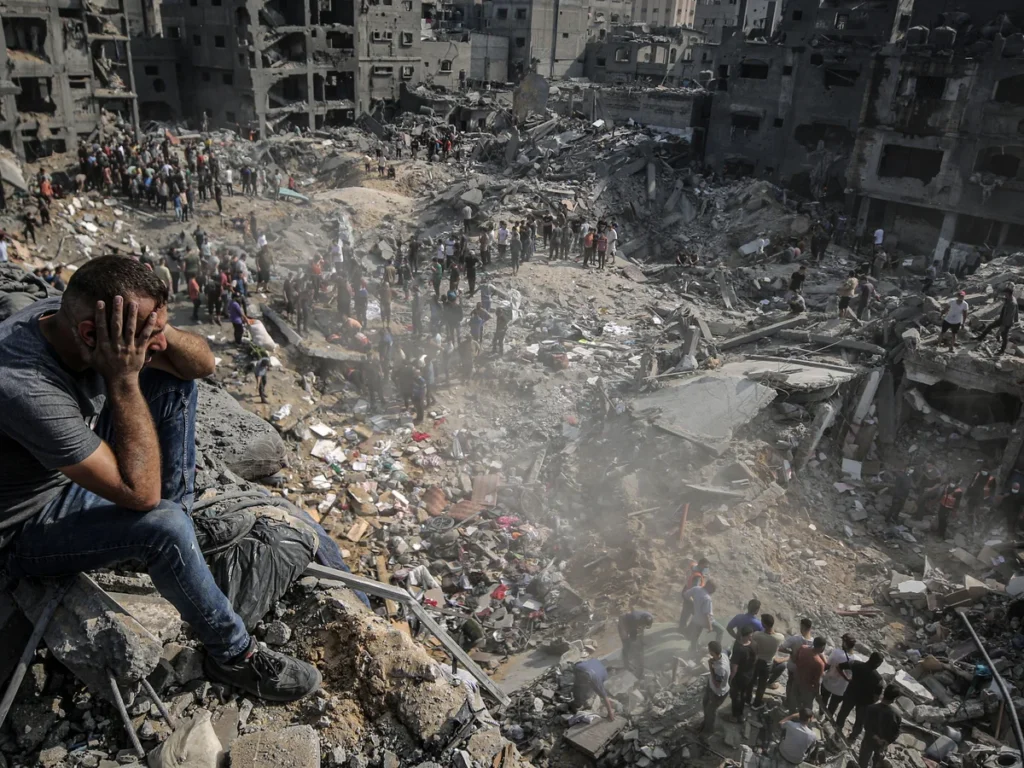
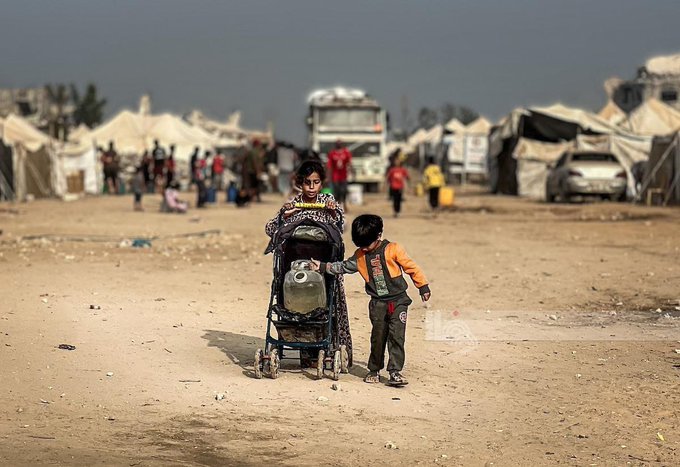
Hundreds of thousands of Palestinians are living in worn-out tents that provide little protection from the summer heat or winter cold. Much of Gaza’s housing has been destroyed during the prolonged war, leaving families without adequate spaces to store even basic food supplies.
Food Safety Risks
Clinical nutrition specialist Maysoun Musleh warned that flour showing signs of spoilage should not be consumed.
She explained that high temperatures and poor storage conditions increase the risk of fungal growth and insect infestation.
“If insects are the only problem, the flour can be thoroughly cleaned and sifted before use, provided it has not been exposed to moisture and does not show signs of mold or changes in smell or color,” she said. Such changes, she warned, could pose health risks.
Musleh recommended storing flour in clean, tightly sealed containers and keeping old and newly purchased flour separate. Families should also store flour in the coolest, driest location available and use older supplies first to reduce waste.
But in Gaza, even basic food-storage advice is difficult to follow. Electricity remains scarce, refrigeration is largely unavailable to displaced families, and many are forced to store food inside tents exposed to extreme temperatures.
The flour crisis therefore extends beyond the question of how much food enters Gaza. Families must also find ways to preserve the limited supplies that reach them.
For many, even a simple loaf of bread has become something that must be fought to protect, from the moment a bag of flour arrives until it finally reaches the family table.