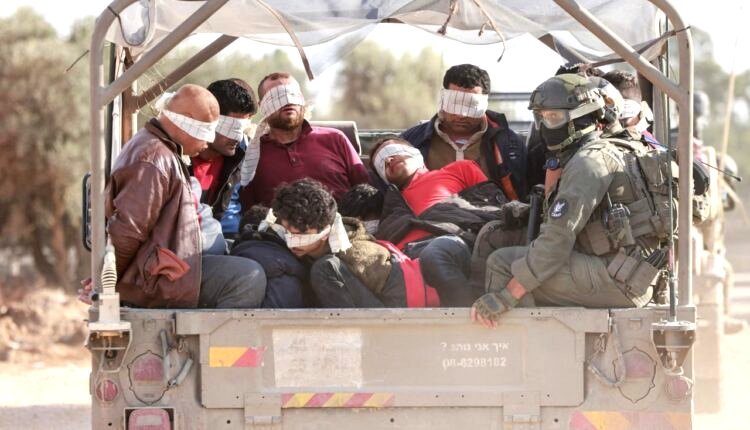
Gaza Herald – Palestinian rights organizations have warned of a sharp escalation in medical neglect inside Israeli detention facilities, saying deteriorating healthcare conditions are placing the lives of Palestinian prisoners, including children and wounded detainees, at serious risk.
The Palestinian Prisoners’ Club held Israeli authorities fully responsible for the condition of Mohammad Mousa Suleiman Hamid, a 15-year-old detainee from Tuqu’, southeast of Bethlehem, after his health reportedly deteriorated significantly. Hamid underwent open-heart surgery at Shaare Zedek Medical Center while remaining in Israeli custody, with his family barred from visiting or communicating with him.
According to the organization, Hamid had no known heart condition before his detention in February 2026 and was being held at Ofer Prison before being transferred to hospital. His family said they learned about the surgery through a human rights organization rather than Israeli prison authorities, adding that he remains in critical condition and requires ongoing specialist medical care.
The organization also highlighted the case of Malek Hani Jibril, a 30-year-old Palestinian prisoner from Tuqu’, whose right leg was amputated after he was shot by Israeli forces near Checkpoint 300 earlier this month and subsequently arrested while wounded. Rights advocates say his case reflects the broader treatment of injured detainees, including delays in providing adequate medical care while in custody.
The Prisoners’ Club said these cases form part of a wider pattern of medical neglect affecting Palestinian prisoners, particularly since October 2023. It warned that amputations among wounded detainees have become an increasingly serious concern, especially for prisoners from Gaza who were injured before their arrest and continue to require specialised treatment and rehabilitation.
According to the organization, Israeli prison authorities have used medical neglect, food deprivation, and restrictions on healthcare as additional measures against detainees, contributing to the spread of illness and the deterioration of health conditions inside detention facilities. It added that many prisoners avoid requesting medical treatment out of fear of abuse or retaliation.
The group called on the international community, the United Nations, the International Committee of the Red Cross, and international human rights organizations to intervene by pressing Israeli authorities to ensure adequate medical care for Palestinian prisoners, end the policy of medical neglect, investigate alleged violations, and hold those responsible accountable under international law.
The Palestinian Prisoners’ Club estimates that approximately 9,400 Palestinian prisoners are currently held in more than 23 Israeli prisons and detention facilities, including 95 women and around 380 children.