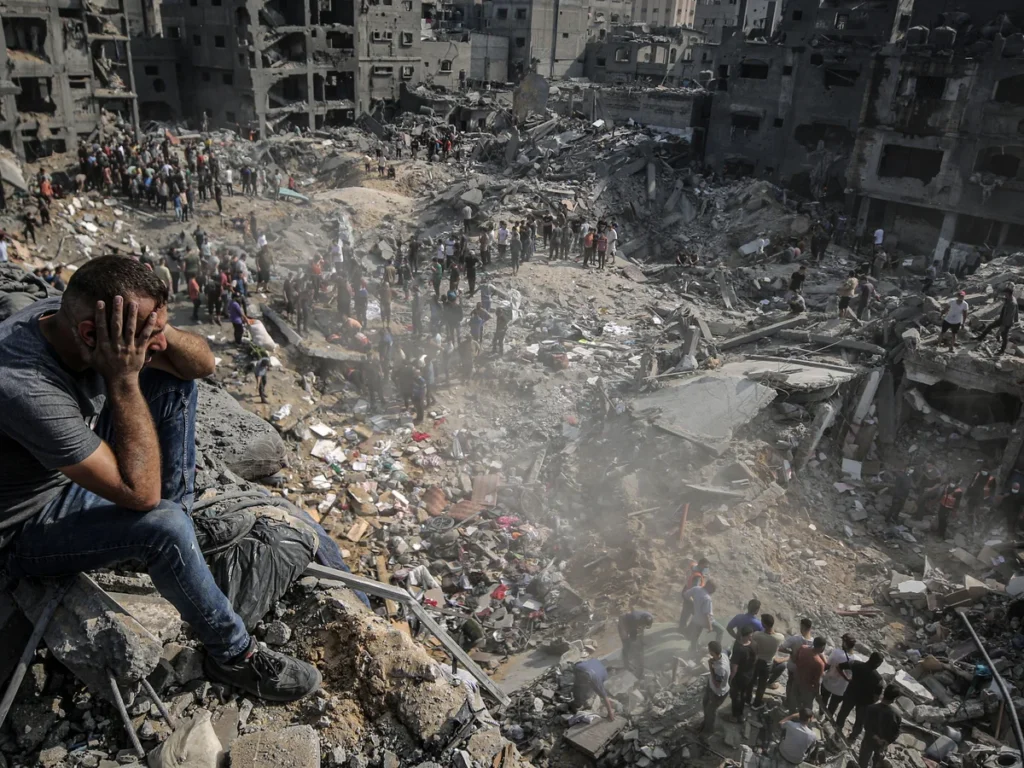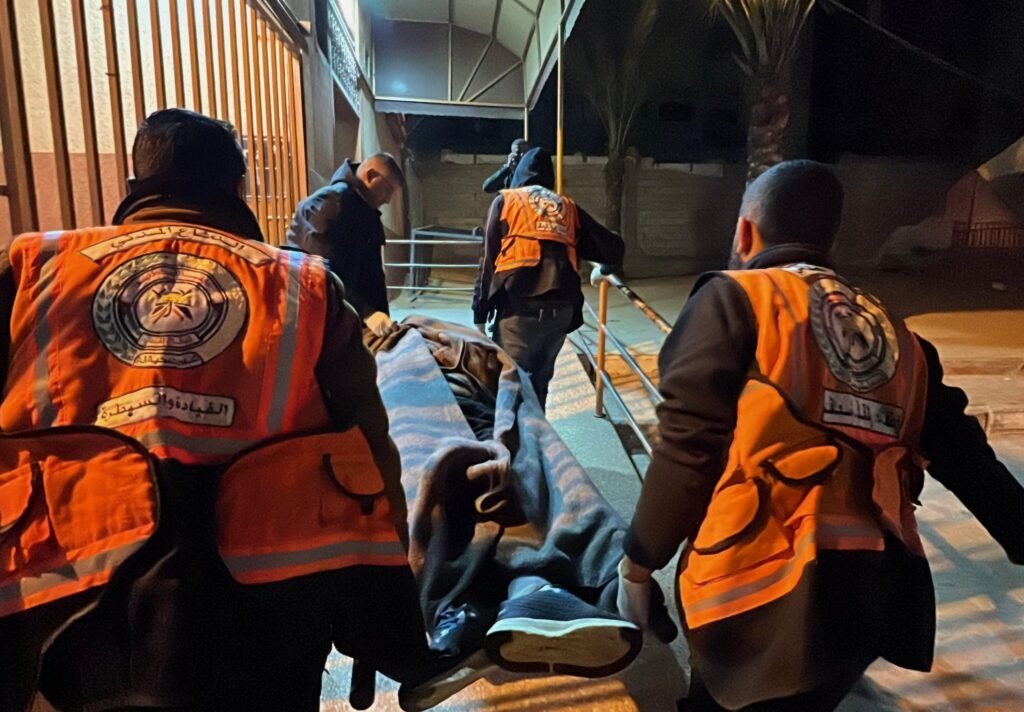
Gaza Herald: Gaza’s Civil Defense authority is facing the prospect of near-total collapse after Israeli attacks destroyed or disabled the vast majority of its vehicles and equipment, severely limiting its ability to respond to emergencies as humanitarian needs continue to grow across the territory.
Officials warn that the crisis comes at a time when demand for rescue services has surged due to repeated attacks on civilian areas and an increasing number of fires in overcrowded displacement camps.
Ahmed Radwan, Director of Media for the Civil Defense in Rafah, said the institution is approaching a critical breaking point. According to Radwan, nearly 90 percent of Civil Defense vehicles operating across Gaza have either been destroyed or rendered inoperable during the war.
He added that since the implementation of the ceasefire agreement in October 2025, no new ambulances, rescue vehicles, or emergency equipment have been allowed into the Gaza Strip.
Growing Pressure on Limited Resources
Field reports from western Khan Younis indicate that emergency crews are struggling under the combined impact of two escalating crises.
The first is the continued targeting of tents and residential buildings, with officials reporting an average of three attacks per day since the ceasefire took effect.
The second is a series of recurring fires inside displacement camps, where families are forced to rely on wood, fabric, and plastic for cooking and pest control because of severe shortages of cooking gas and fuel.
One recent fire swept through at least five tents in the Roni Street area of al-Mawasi in Khan Younis, leaving several people injured, including children.
A System Under Strain
Radwan explained that the Civil Defense has been forced to adopt a strict emergency priority system due to its limited capabilities.
Responses to attacks and bombardments now receive top priority, followed by fires and accidental incidents, while medical transportation for patients and pregnant women ranks third.
He said this reality means that many emergency calls go unanswered because available resources are insufficient to meet growing needs.
According to Civil Defense figures, nearly 1,000 Palestinians have been killed in Israeli attacks since the ceasefire was announced. At the same time, approximately 700,000 displaced people are living in al-Mawasi and across Rafah governorate, creating extreme population density in areas already suffering from severe humanitarian conditions.
Limited International Support
Radwan also accused Israel of contributing to the paralysis of international humanitarian organizations operating in Gaza.
He stated that assistance provided by the International Committee of the Red Cross and United Nations agencies covers no more than 10 percent of the Civil Defense’s actual operational needs.
According to Radwan, restrictions imposed on humanitarian organizations have hindered the delivery of essential rescue equipment and emergency supplies.
Warning of a Humanitarian Disaster
Civil Defense officials warn that a complete shutdown of rescue operations could result in the loss of countless lives in displacement camps and densely populated communities.
The warning comes as Gaza’s healthcare system continues to deteriorate and respiratory and skin diseases spread among thousands of children living in difficult conditions.
Radwan called on the international community and the parties overseeing the ceasefire agreement to pressure Israel to establish a secure humanitarian corridor dedicated to the entry of Civil Defense vehicles, equipment, and rescue supplies.
Heavy Human and Material Losses
Reports indicate that the Civil Defense has lost more than 48 percent of its workforce through deaths, injuries, and detentions during the war.
The agency has also suffered extensive damage to its infrastructure, including the complete destruction of 14 facilities and the targeting of 56 emergency vehicles while they were carrying out rescue missions or stationed at operational centers.
Officials noted that many of the damaged vehicles were clearly marked with internationally recognized civil protection symbols, despite protections afforded under international humanitarian norms.