Gaza Herald – Inside a worn-out tent barely a few meters wide in a shelter center in Khan Younis, southern Gaza, Palestinian widow Samah Abu Daqa sits on a thin piece of cloth spread across the ground, trying to sort through the few remaining belongings of her family as Eid al-Adha approaches.
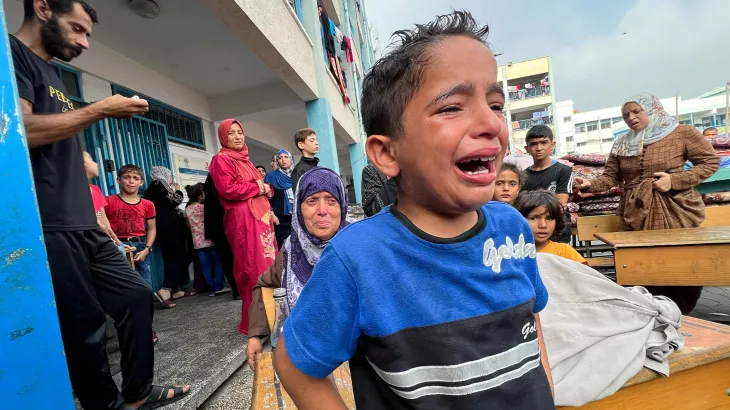
Hanging from the torn tent roof are old blankets used to block the summer heat, while empty containers and scattered items surround her in a scene that reflects the daily reality of thousands of displaced Palestinians in Gaza, after the destruction of homes during the Israeli genocide that began in October 2023.
As Eid approaches, Abu Daqa is no longer preparing new clothes or family gatherings. Instead, she is focused on securing food for her children after losing her husband and many relatives, leaving her as the primary caregiver in extremely difficult living conditions.
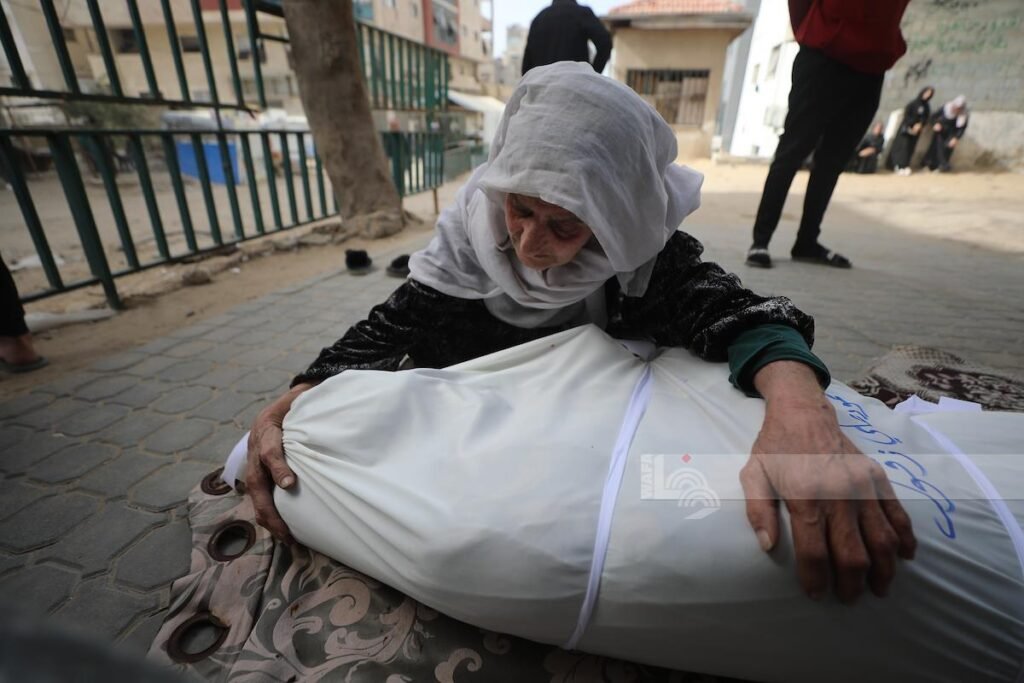
According to a UN Women report, more than 22,000 women in Gaza have lost their husbands during the genocide, turning them into widows who now shoulder full responsibility for their families amid widespread devastation and displacement.
In another shelter, widow Fathiya Abu Daraz describes Eid as a painful reminder of loss rather than a celebration, saying that the holiday has become a moment to remember loved ones who were killed, including her husband and son.
Across Gaza’s displacement camps, thousands of similar stories are unfolding, where women who lost their husbands or sons now struggle to support their children inside overcrowded tents lacking basic necessities.
Disability and hardship add another layer to the suffering. Palestinian woman Taghreed Abu Tayeh, who lost both legs due to war injuries, says that “life in Gaza has changed everything, including Eid,” adding that survival has replaced celebration as Palestinians struggle with hunger, displacement, and fear.
Another widow, Jamalat Abu Masbah, tries to comfort her children who ask for new clothes and their absent father, saying there is no food, no sacrifice animals, and no means to bring joy to the holiday.
According to Palestinian official data, tens of thousands of women and children have been killed or displaced since the beginning of the Israeli war, while around 90% of Gaza’s population has been forced to flee their homes multiple times amid severe shortages of food, medicine, and shelter.
Despite a ceasefire agreement, conditions remain catastrophic, with continued restrictions on aid, repeated attacks, and widespread destruction leaving Gaza’s population trapped in one of the worst humanitarian crises in recent history.