Gaza Herald – In a move that has sparked growing concern across the Gaza Strip, the World Central Kitchen (WCK) has begun reducing parts of its humanitarian operations in the territory, including hot meal distribution programs relied upon by thousands of displaced and impoverished families.
According to local sources, the organization informed nearly 400 employees and volunteers that their contracts would be terminated as part of a broader restructuring plan affecting its field operations in Gaza. The cuts reportedly impact more than half of the organization’s local workforce.
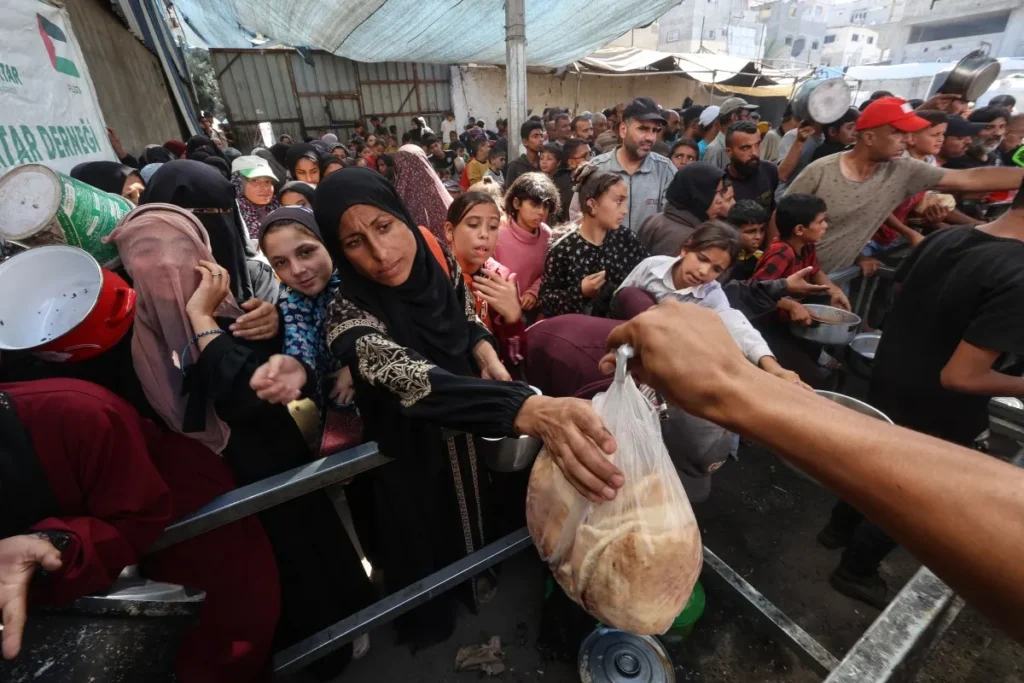
The reduction includes the closure of several food preparation sites across the Strip, as well as downsizing activities at WCK’s main facility in Al-Zawayda in central Gaza. Aid workers warn the decision will significantly reduce the number of daily meals distributed in central and southern areas, particularly in Deir al-Balah, Khan Younis, and the overcrowded Al-Mawasi displacement zone.
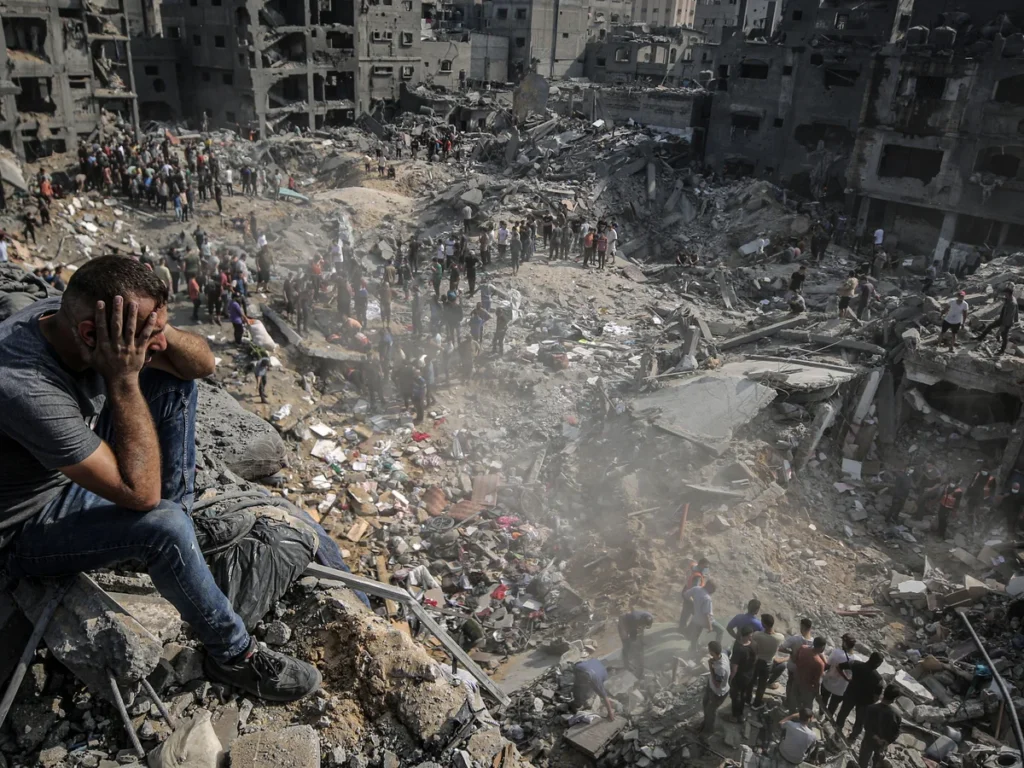
The decision comes amid worsening humanitarian conditions, with hundreds of thousands of Palestinians continuing to depend on free food assistance after losing homes, income, and access to basic necessities during the ongoing genocide.
Displaced residents say the organization’s meals had become their primary source of food. Many families living in tents report being unable to afford cooking supplies or basic ingredients due to soaring prices and severe shortages.
World Central Kitchen has been one of the largest international food relief organizations operating in Gaza since 2023, running a network of more than 60 community kitchens and employing hundreds of local Palestinians under a model centered on “Palestinians feeding Palestinians.”
At its peak, the organization distributed between half a million and one million meals daily, making it one of the most critical food assistance providers in the enclave.
Humanitarian agencies continue to warn that food insecurity and malnutrition are rapidly worsening in Gaza, particularly among children, pregnant women, and displaced families. Medical organizations have linked deteriorating health conditions to restrictions on aid, shortages of essential goods, and damage to civilian and medical infrastructure.