Gaza Herald _The partial reopening of the Rafah border crossing has done little to ease the suffering of Gaza’s sick, as thousands of patients remain unable to leave the enclave for urgently needed medical treatment.
Just two days after Rafah was briefly reopened last month for medical travel, seven-year-old Anwar al-Ashi died while waiting for permission to leave Gaza for care that was unavailable locally.
For nearly two years, Israel’s complete blockade of Gaza and the 21-month closure of the Rafah crossing have severely restricted access to medical treatment abroad. Combined with widespread malnutrition caused by the prolonged siege, these conditions worsened Anwar’s illness and ultimately led to the collapse of his health.
Anwar had previously suffered episodes of metabolic acidosis during the war, particularly while his family was displaced. However, he had recovered on those occasions without requiring intensive care, according to his father, Nayef al-Ashi.
“This time it was different,” Nayef explained. “Malnutrition, contaminated water and the lack of safe drinking water played a role. Many times there was no bottled water available, so he had no choice but to drink tap water.”
Doctors said severe malnutrition disrupted the child’s body chemistry, causing dangerous acidity levels in his blood and eventually leading to kidney failure.
Anwar suddenly began suffering from severe abdominal pain, diarrhoea, and persistent vomiting. When his family rushed him to the hospital, doctors discovered that his blood acidity had reached extremely dangerous levels. He was immediately transferred to intensive care.
“In the final days before his death, he fell into a coma,” his father said. “He underwent dialysis several times and urgently needed laboratory tests and medicines that simply were not available in Gaza. Nutritional supplements and vitamins might have helped stabilise his condition, but they were missing.”
Anwar became one of 1,360 patients who have died while waiting for permission to travel for treatment since Israeli forces shut down the Rafah crossing in May 2024.
Today, more than 18,500 patients, including roughly 4,000 children, still require urgent medical evacuation outside Gaza.
Although the limited reopening of Rafah was expected to allow around 50 patients per day to leave the territory for treatment, only about 260 patients were able to cross between 2 and 18 February.
The crossing was closed again on Saturday after the United States and Israel launched military action against Iran.
For Anwar’s father, the causes of his son’s death are painfully clear.
“I believe the main reason my child died was the closure of the crossings, the denial of medical referrals, the malnutrition and the repeated displacement,” he said. “All of these factors are devastating for children.
“It is unbearable to watch your son die in front of you and feel completely powerless to save him.
“I cannot understand how circumstances like these are allowed to claim the life of a child.”
Shortage of Medicines and Medical Supplies
Despite a ceasefire agreement reached in October, Israel has continued to impose strict limits on the entry of medicines and medical supplies into Gaza.
By the end of December, 321 essential medicines had completely run out, while 710 types of medical consumables were unavailable. Laboratories and blood banks were also facing critical shortages of testing materials and equipment.
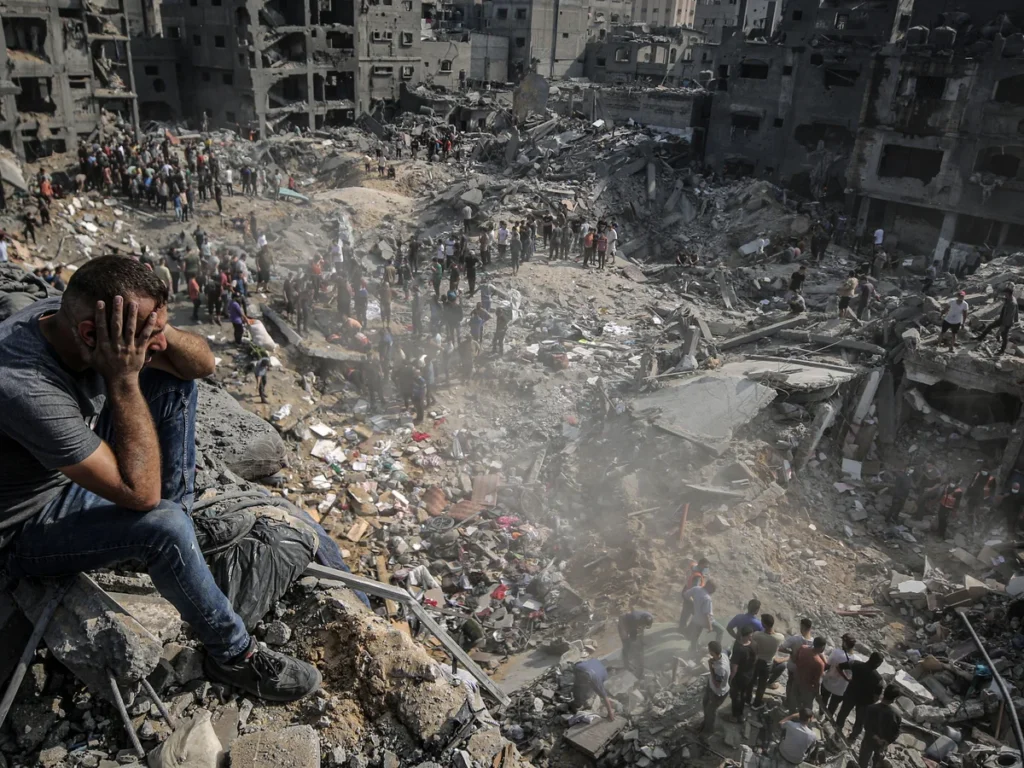
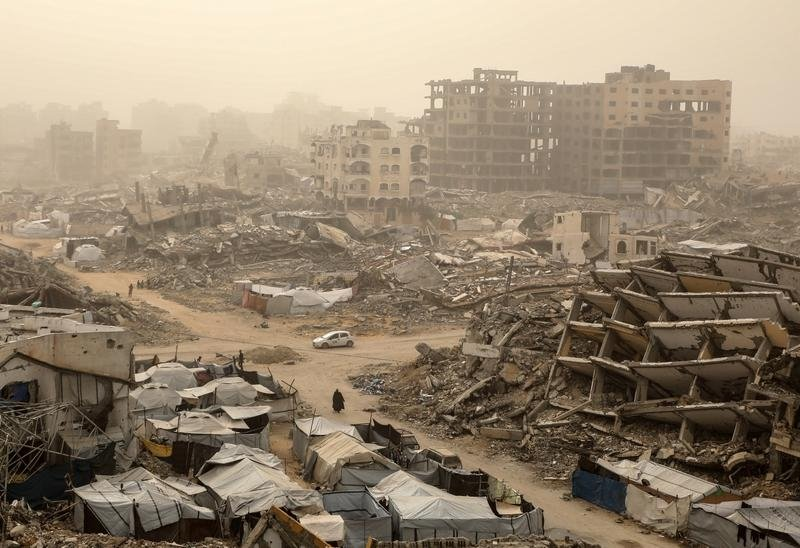
During the two-year war, Israeli forces have repeatedly targeted Gaza’s healthcare infrastructure. Dozens of hospitals and medical facilities have been bombed or severely damaged, leaving doctors struggling to treat even basic medical conditions.
These attacks have severely reduced the ability of Gaza’s health system to treat complex illnesses such as metabolic acidosis.
When Anwar’s condition became critical, doctors determined that he needed treatment outside Gaza.
His family and doctors urgently applied for permission to transfer him abroad, but the approval never came before his death.
“If the necessary equipment and medicines had existed here, I could have treated him in Gaza,” Nayef said. “But there were no supplies, no medications and no laboratory equipment. His condition worsened quickly. First his liver failed, then his brain, and finally, he died.”
Kidney Patients at Growing Risk
Patients suffering from kidney disease are among the most vulnerable under the ongoing blockade.
Across Gaza, approximately 650 kidney patients are now facing life-threatening conditions due to shortages of dialysis equipment and the destruction of medical infrastructure during Israeli attacks.
Dr Ghazi al-Yazji, head of the dialysis department at al-Shifa Hospital in Gaza City, said that the death rate among kidney patients has increased by 41 percent during the two years of war.
“Many dialysis units were destroyed or forced out of service,” he explained. “Numerous patients were trapped in their homes and could not reach dialysis treatment, which caused serious complications and increased mortality.”
The war has significantly weakened the healthcare system’s ability to provide treatment.
“At al-Shifa hospital, the entire kidney treatment unit was destroyed and later rebuilt gradually,” Yazji said. “We are now operating with around 50 dialysis machines, but we still urgently need more machines and specialised chairs.”
He also warned that, despite the partial reopening of Rafah, there is still no functioning system allowing patients to travel for kidney transplants or diagnostic biopsies, leaving many patients trapped inside Gaza without life-saving care.
“As If It Never Reopened”
Because of the overwhelming number of patients awaiting medical evacuation, priority is currently given to the most critical cancer cases.
Even for those patients, however, the referral process remains unclear and difficult.
Warda al-Batrikhi, a 44-year-old mother, has spent more than 18 months trying to secure cancer screening for her 14-year-old son, Siraj al-Muzaini.
“There are no cancer screening services in Gaza,” she said.
“Doctors keep telling me that my son needs to travel outside Gaza for specialised tests to determine how serious his illness is. But referrals are usually given first to patients who already have a confirmed diagnosis.”
Desperate for answers, she continues to take her son from one doctor to another.
“I move between hospitals just to feel that I am doing something,” she said. “But deep inside, I know it may not help because he needs proper treatment outside Gaza.”
Among the thousands of patients awaiting evacuation, around 4,000 cancer patients have already received official referrals for urgent treatment abroad, yet they remain unable to leave due to the continuing closure of border crossings.
In total, an estimated 11,000 cancer patients in Gaza lack access to specialised diagnostic and treatment services, many of them in urgent need of care that does not exist inside the territory.
“When I first heard that Rafah might reopen, I felt hopeful,” Batrikhi said. “I thought my son would finally get the chance to receive the treatment he needs.
“But now it feels as if the crossing never reopened at all. It seems we will keep waiting indefinitely before he is allowed to leave.”