
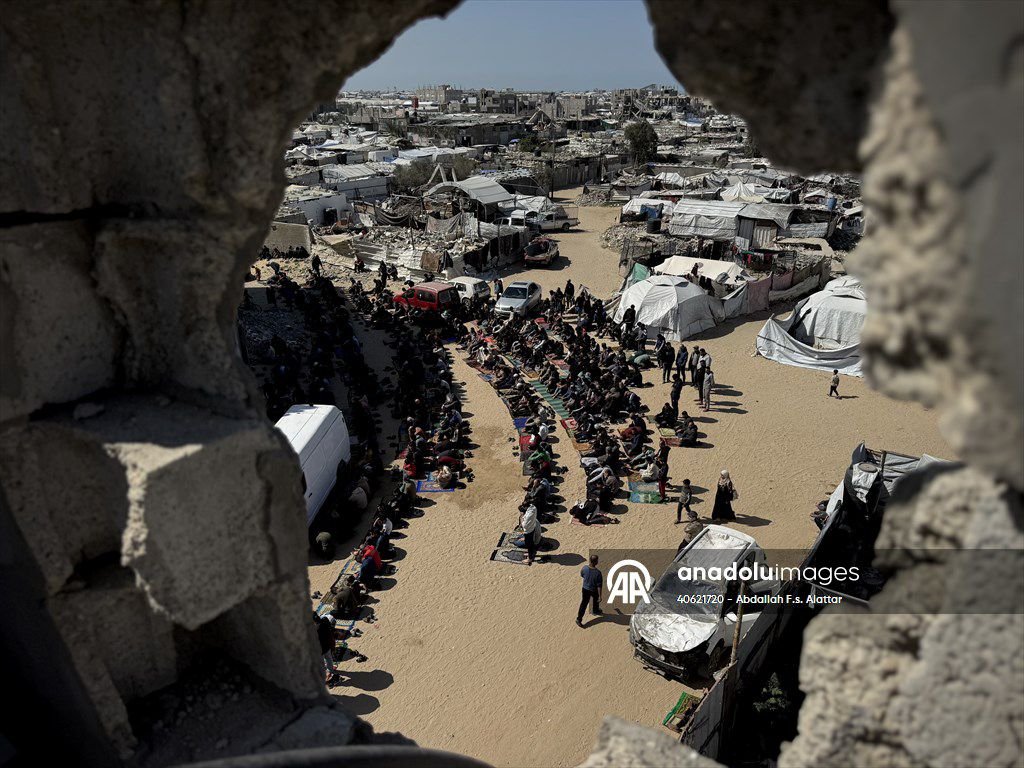
Gaza Herald _As the United States and Israel escalate their war against Iran, the growing regional confrontation is beginning to reshape diplomatic priorities across the Middle East. The shift has drawn significant attention away from Gaza, where mediators had been attempting to move forward with the next phase of the ceasefire agreement reached last October.
Ceasefire Talks Lose Momentum
Palestinian factions, including Hamas, had hoped negotiations would soon transition into the second phase of the ceasefire plan. However, the intensifying war with Iran has disrupted that trajectory. With regional powers increasingly focused on the broader conflict, diplomatic momentum surrounding Gaza has slowed considerably.
Even before the latest escalation, Israel had already delayed key steps tied to the agreement. These included blocking the entry of the national committee meant to administer Gaza and pressing demands related to the disarmament of Palestinian resistance groups. The outbreak of war with Iran has added another layer of delay, further complicating efforts to move negotiations forward.
Mediators Diverted by Regional Crisis
Sources close to Hamas say communication with mediators has become limited and sporadic since the start of the war. According to these sources, Qatar and Türkiye, two key mediators, are now deeply occupied with the broader regional crisis, leaving Egypt as the primary channel still maintaining contact regarding the Gaza file.
At the same time, no new communication has taken place between Hamas leadership and the U.S. administration, either directly or through intermediaries. Palestinian officials say no formal proposals have been presented recently, particularly regarding the sensitive issue of disarming resistance factions.
Growing Concerns in Gaza
Palestinian sources warn that the prolonged regional war could push the Gaza issue further down the international agenda. There are fears that Israel may exploit the shifting focus by tightening restrictions on the enclave, including the closure of crossings that had previously been reopened following pressure from mediators.
If the conflict with Iran continues, Palestinian officials believe diplomatic energy could soon shift toward negotiations surrounding Iran itself, potentially sidelining Gaza and delaying meaningful progress on the humanitarian and political crises facing the territory.
Hamas Navigates a Delicate Regional Position
The widening war has also placed Hamas in a difficult political position. The movement and other Palestinian factions condemned attacks on Iran and the assassination of Iran’s Supreme Leader Ali Khamenei, while largely avoiding public comment on strikes that targeted Gulf countries.
Sources within Hamas say the leadership prefers to remain cautious, seeking to preserve relations with different regional actors rather than becoming entangled in the broader geopolitical confrontation.
As the regional war deepens, the fate of Gaza’s fragile ceasefire increasingly depends on whether international mediators can redirect their attention back to the enclave. For Palestinians enduring ongoing devastation and displacement, the fear is that the expanding conflict with Iran could push Gaza even further to the margins of global diplomacy, delaying urgently needed relief and a lasting political solution.

