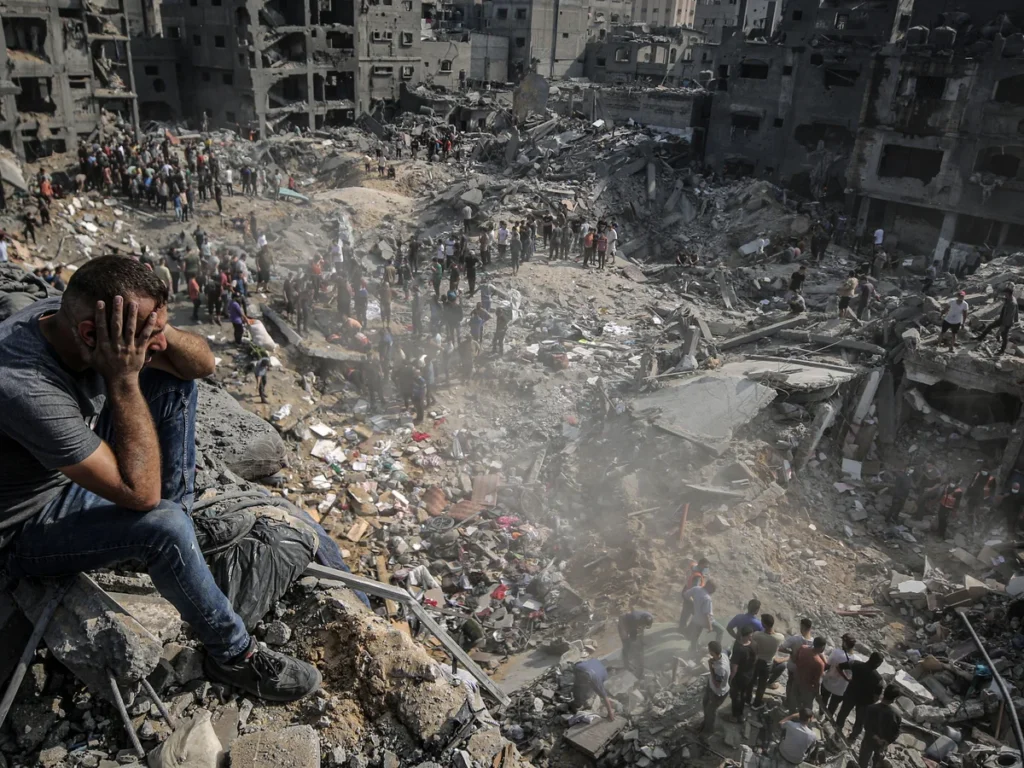
Gaza Herald- Despite widespread destruction and years of forced absence, stranded Palestinians are steadily returning to the Gaza Strip through the partially reopened Rafah Crossing, in scenes that reflect a powerful attachment to their homeland and a collective rejection of displacement.
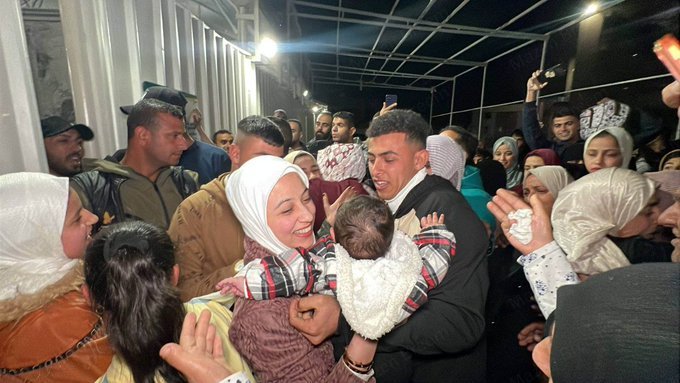
At the courtyard of Nasser Hospital in Khan Younis, families waited anxiously as buses carrying returnees arrived after long journeys of exile. Tears mixed with joy as loved ones reunited following months, and in many cases years, of separation.
Among them was Fidaa Omran, who embraced her parents and sisters after completing medical treatment abroad.
“Medical services were available outside,” she said, “but nothing replaces the feeling of returning home and being among family.” She added that the hardships of travel faded the moment she stepped back into Gaza.
Joy and Belonging to the Land
Omran said she had waited a long time for this moment. “There is no place better than Gaza,” she said, urging Palestinians not to consider leaving despite the devastation.
Israeli authorities partially reopened the Rafah Crossing on February 2 under strict limitations, after it had been closed since May 2024 following the military’s incursion into Rafah and its takeover of the Palestinian side of the crossing.
The scenes of return and family reunification have been widely viewed by Palestinians as evidence of their determination to remain rooted in their land, even as much of Gaza lies in ruins.
According to available data, nearly 80,000 Palestinians currently outside Gaza have registered to return. Observers say this steady movement complicates repeated Israeli statements expressing intentions to depopulate the Strip.
Another returnee, Tahani Omran, described exile as “continuous torment.”
“We were born here, and we will die here,” she said, explaining that she felt immediate peace upon arriving home.
However, she also reported harsh treatment while crossing, including being restrained, blindfolded, and interrogated for hours.
Nearby, young father Hossam al Mansi stood holding his children, describing his return as “indescribable joy” after being forced to leave Gaza for medical treatment due to injuries sustained during the war.
“The soil of Gaza is worth the whole world,” he said, adding that he chose to return before completing his treatment because “home, despite the suffering and destruction, is the only place where we truly belong.”
Political Reading of the Scene
Political analyst Iyad al Qarra said that the return of even one Palestinian to Gaza represents a practical failure of displacement efforts.
“When a Palestinian is forced to choose between suffering in exile or suffering in their homeland, they choose their homeland,” he said, noting that similar determination was visible when displaced residents rushed back to northern Gaza after temporary ceasefires.
Al Qarra added that Israeli authorities appear unsettled by the insistence on return, pointing to reports of interrogations and mistreatment faced by some returnees.
Government sources in Gaza accuse Israel of failing to adhere to agreed passenger quotas at the crossing. According to the Government Media Office, between February 2 and February 15, only 811 travelers were permitted to cross out of approximately 2,800 approved cases, representing a 29 percent compliance rate.
Meanwhile, more than 22,000 wounded and ill Palestinians are estimated to require urgent medical evacuation, as Gaza’s healthcare system remains near total collapse.
Repeated Failure of Displacement
Before the war, Rafah Crossing handled hundreds of travelers daily without direct Israeli control. That mechanism collapsed after the war began on October 8, 2023.
Since then, more than 72,000 Palestinians have been killed and over 171,000 injured, the majority women and children, while approximately 90 percent of Gaza’s civilian infrastructure has been destroyed.
Yet for many Palestinians, returning even to devastation is less painful than permanent exile. Each bus that crosses back into Gaza carries not only passengers, but a renewed declaration that attempts to uproot them from their land have failed.
Despite the Ruins, Stranded Palestinians Defy Displacement Plans by Returning to Gaza
Gaza Herald, despite widespread destruction and years of forced absence, stranded Palestinians are steadily returning to the Gaza Strip through the partially reopened Rafah Crossing, in scenes that reflect a powerful attachment to their homeland and a collective rejection of displacement.
At the courtyard of Nasser Hospital in Khan Younis, families waited anxiously as buses carrying returnees arrived after long journeys of exile. Tears mixed with joy as loved ones reunited following months, and in many cases years, of separation.
Among them was Fidaa Omran, who embraced her parents and sisters after completing medical treatment abroad.
“Medical services were available outside,” she said, “but nothing replaces the feeling of returning home and being among family.” She added that the hardships of travel faded the moment she stepped back into Gaza.
Joy and Belonging to the Land
Omran said she had waited a long time for this moment. “There is no place better than Gaza,” she said, urging Palestinians not to consider leaving despite the devastation.
Israeli authorities partially reopened the Rafah Crossing on February 2 under strict limitations, after it had been closed since May 2024 following the military’s incursion into Rafah and its takeover of the Palestinian side of the crossing.
The scenes of return and family reunification have been widely viewed by Palestinians as evidence of their determination to remain rooted in their land, even as much of Gaza lies in ruins.
According to available data, nearly 80,000 Palestinians currently outside Gaza have registered to return. Observers say this steady movement complicates repeated Israeli statements expressing intentions to depopulate the Strip.
Another returnee, Tahani Omran, described exile as “continuous torment.”
“We were born here, and we will die here,” she said, explaining that she felt immediate peace upon arriving home.
However, she also reported harsh treatment while crossing, including being restrained, blindfolded, and interrogated for hours.
Nearby, young father Hossam al Mansi stood holding his children, describing his return as “indescribable joy” after being forced to leave Gaza for medical treatment due to injuries sustained during the war.
“The soil of Gaza is worth the whole world,” he said, adding that he chose to return before completing his treatment because “home, despite the suffering and destruction, is the only place where we truly belong.”
Political Reading of the Scene
Political analyst Iyad al Qarra said that the return of even one Palestinian to Gaza represents a practical failure of displacement efforts.
“When a Palestinian is forced to choose between suffering in exile or suffering in their homeland, they choose their homeland,” he said, noting that similar determination was visible when displaced residents rushed back to northern Gaza after temporary ceasefires.
Al Qarra added that Israeli authorities appear unsettled by the insistence on return, pointing to reports of interrogations and mistreatment faced by some returnees.
Government sources in Gaza accuse Israel of failing to adhere to agreed passenger quotas at the crossing. According to the Government Media Office, between February 2 and February 15, only 811 travelers were permitted to cross out of approximately 2,800 approved cases, representing a 29 percent compliance rate.
Meanwhile, more than 22,000 wounded and ill Palestinians are estimated to require urgent medical evacuation, as Gaza’s healthcare system remains near total collapse.
Repeated Failure of Displacement
Before the war, Rafah Crossing handled hundreds of travelers daily without direct Israeli control. That mechanism collapsed after the war began on October 8, 2023.
Since then, more than 72,000 Palestinians have been killed and over 171,000 injured, the majority women and children, while approximately 90 percent of Gaza’s civilian infrastructure has been destroyed.
Yet for many Palestinians, returning even to devastation is less painful than permanent exile. Each bus that crosses back into Gaza carries not only passengers, but a renewed declaration that attempts to uproot them from their land have failed.