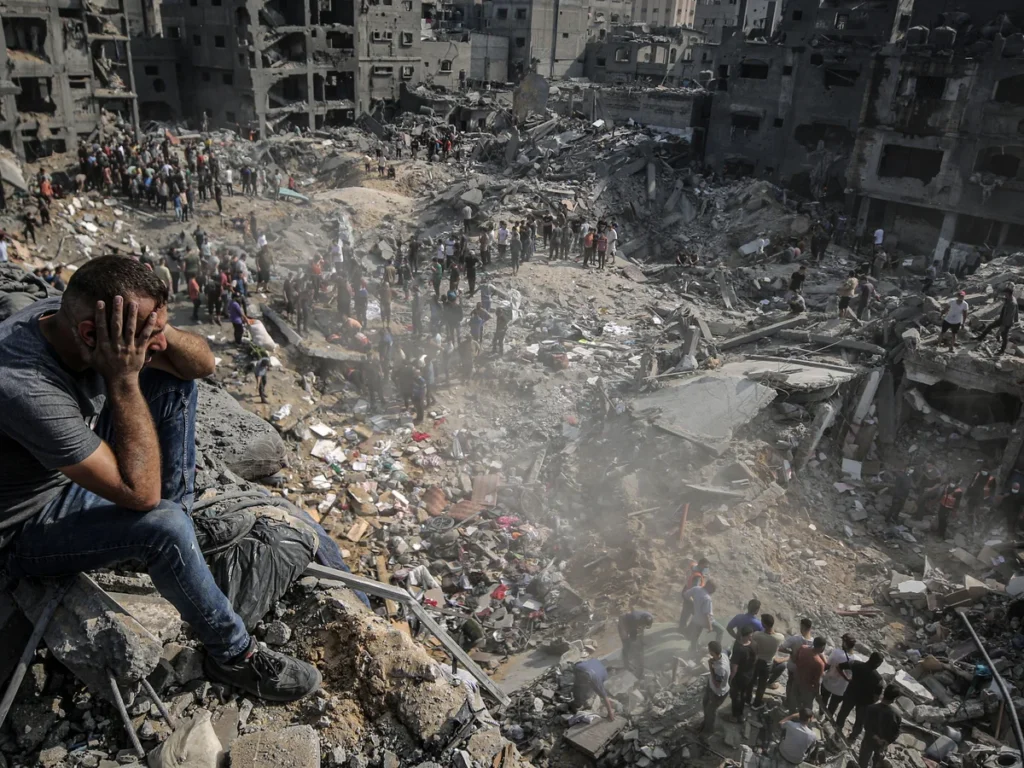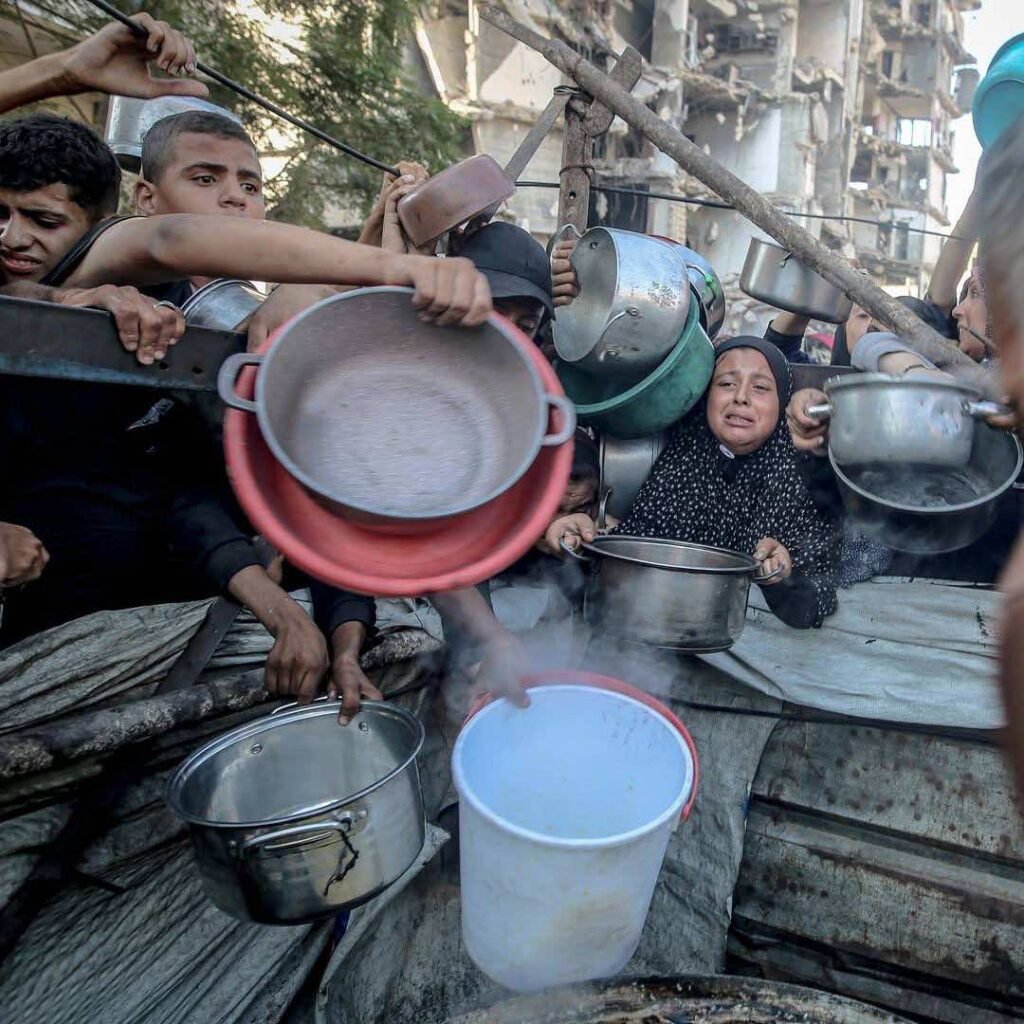
Gaza Herald _ Gaza City is grappling with a deepening water emergency, as municipal officials warn that more than 85 percent of the city’s neighborhoods have been without water for eight consecutive days, pushing living conditions toward a full-scale humanitarian catastrophe.
In a statement released Thursday, the Gaza Municipality confirmed that the ongoing Israeli bombardment and infrastructure destruction have crippled the city’s already fragile water system, leaving tens of thousands of families struggling to access even the most basic supplies of safe drinking water.
Fuel Shortages and Infrastructure Damage Paralyze Services
Municipal authorities reported that only 24 water wells remain operational across the city, following repeated Israeli attacks on water facilities and essential infrastructure. The situation is further worsened by severe fuel shortages, which limit the operation of pumps, treatment facilities, and sewage systems , compounding both the water crisis and the growing environmental threat.
Officials warned that widespread sewage leakage is now contaminating residential areas, heightening the risk of disease outbreaks and long-term environmental damage.
Israeli Strikes Sever Major Water Lines
According to technical teams, extensive damage has been detected along the Mekorot water pipeline east of Gaza City, one of the primary arteries supplying water to large sections of the population. The municipality said the rupture was directly caused by Israeli airstrikes, which led to the immediate suspension of water flow to thousands of homes.
The breakdown has triggered severe shortages across several densely populated districts, including Zeitoun, Shuja’iyya, the Old City, Tal al-Hawa, Sahat al-Shawa, Yaffa Street, parts of Sabra, and western Gaza City , areas already devastated by months of bombardment and displacement.
Public Health on the Brink
The water shortage is unfolding against the backdrop of systematic infrastructure destruction and ongoing military attacks, which have shattered Gaza’s ability to maintain basic public services. With water scarce and sanitation systems failing, residents face escalating risks of waterborne diseases, skin infections, dehydration, and environmental contamination.
Municipal officials described the health and environmental situation as “catastrophic,” warning that continued disruption could soon lead to uncontrollable outbreaks, particularly among children, the elderly, and displaced populations sheltering in overcrowded conditions.
A Humanitarian Crisis Intensified by Siege
The crisis underscores the devastating toll of Israel’s continued assault and blockade, which have systematically dismantled Gaza’s essential lifelines. As infrastructure collapses and access to fuel, spare parts, and emergency repairs remains blocked, ordinary Palestinians are left fighting daily for survival.
With no immediate relief in sight, Gaza’s water emergency stands as yet another example of how war, siege, and destruction converge to produce unlivable conditions for over two million civilians, in what humanitarian groups increasingly describe as a deliberate assault on life itself.