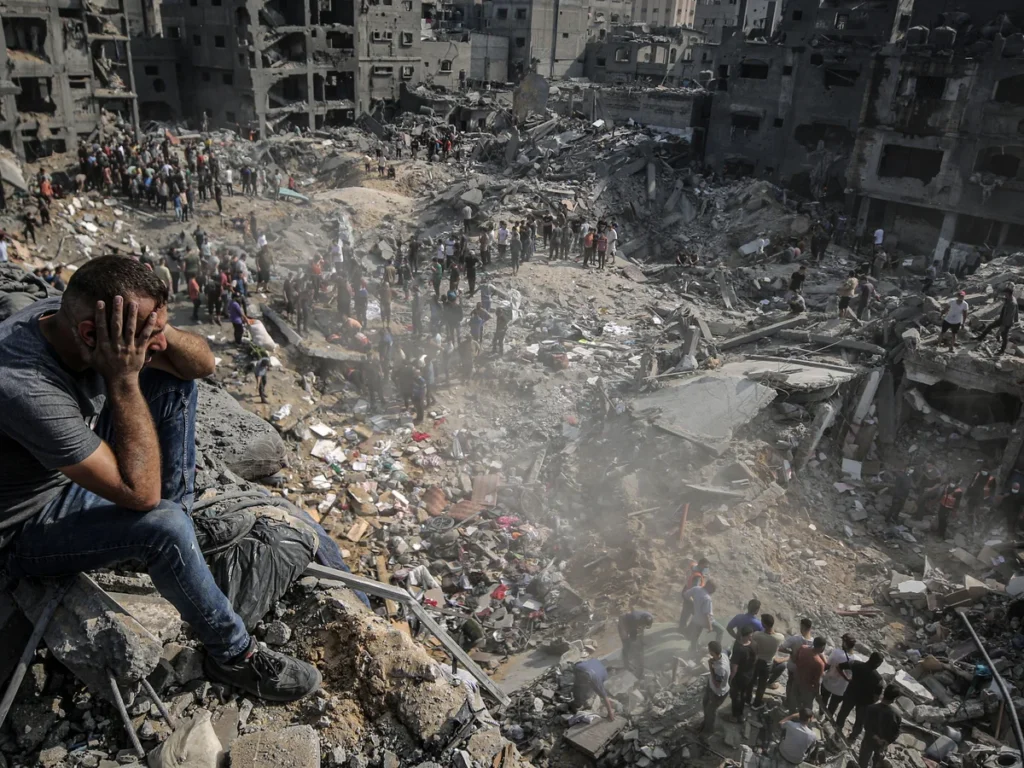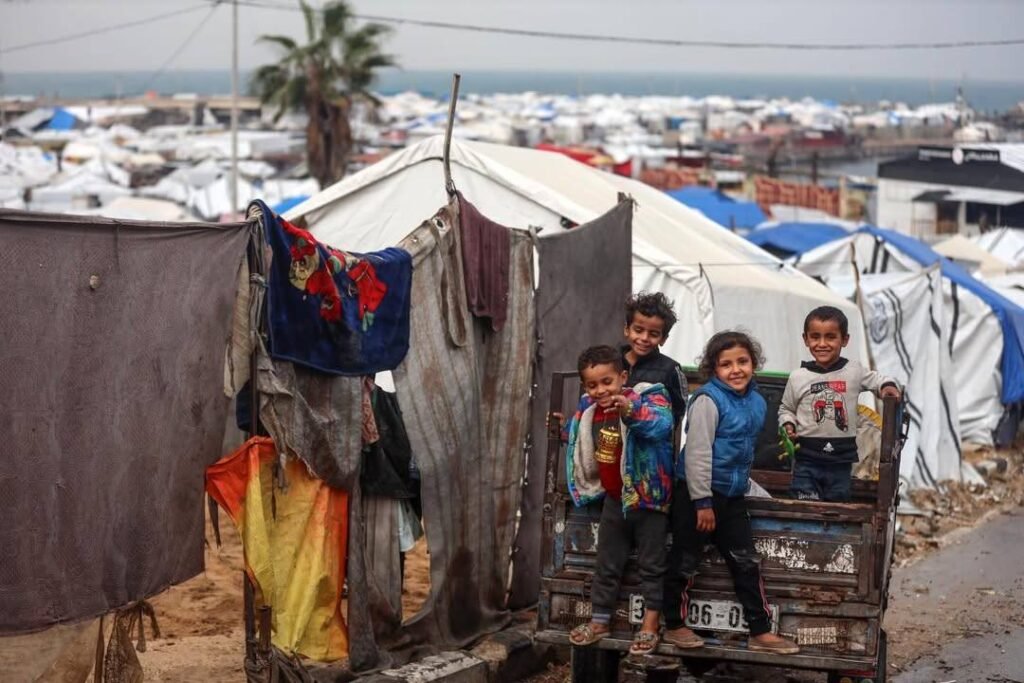
Gaza Herald_Despite a declared ceasefire, Palestinians in Gaza say the war has merely shifted shape, transforming from relentless bombardment into a quieter, deadlier assault marked by disease, deprivation, and forced displacement. With borders still tightly sealed and aid severely restricted, civilians continue to die from preventable causes as Israel maintains control over movement, medicine, and basic survival.
Cancer Patients Left to Die Without Treatment
For cancer patients like 61-year-old Najat Sayed al-Hessi, the ceasefire has brought no relief. A resident of Gaza now living in a makeshift tent in Deir al-Balah, al-Hessi has gone more than two years without receiving her monthly cancer medication.
She was scheduled to travel to Ramallah for treatment on October 7, 2023, the day the war erupted. That appointment never happened, and since then, all medical referrals outside Gaza have effectively stopped. Hospitals inside the besieged enclave lack even the most basic oncology care.
“I feel the disease advancing inside me every day,” she said, explaining that doctors warned her the cancer may have spread to her lungs. With no screenings available and no medication in sight, she describes her condition as a slow, inevitable death.
A Collapsing Health System
Al-Hessi is one of approximately 11,000 cancer patients in Gaza. Around 3,500 of them hold referrals for treatment abroad, yet Israeli authorities have blocked their exit. Even routine clinic visits inside Gaza offer little help: essential medications, pain relief, and even vitamins are largely unavailable.
According to Gaza’s Ministry of Health, Israeli restrictions have pushed the medical system to the brink. More than half of essential drugs are out of stock, alongside nearly 70 percent of medical consumables and laboratory supplies. Screening services have collapsed entirely, leaving patients in the dark about the progression of their illnesses.
Doctors warn that partial treatment is often useless. “Cancer therapies must be combined,” said Dr. Muhammad Abunada, medical director of the Gaza Cancer Centre. “If one or two drugs are missing, the entire treatment fails.” He noted that deaths among cancer patients have doubled or tripled since the war began, with two to three patients now dying every day due to lack of care.
A ‘Ceasefire That Kills Children’
The human toll extends far beyond cancer patients. Newborns and children are increasingly paying the price of Gaza’s shattered healthcare and living conditions. UNICEF reports that newborn deaths surged by 75 percent during the final months of the war, with the trend continuing even after the ceasefire.
Between July and September, nearly twice as many infants died at birth compared to pre-war figures. Malnutrition, infections, poor sanitation, and inadequate maternal care remain widespread, conditions that the ceasefire has failed to reverse.
UNICEF has described the current reality as a “ceasefire that kills children,” documenting the deaths of at least 100 children since October. Israeli airstrikes, gunfire, and incursions continue almost daily, while families face renewed displacement due to land seizures and expanding buffer zones.
Ongoing Killings and Forced Displacement
Since the ceasefire took effect on October 10, at least 449 Palestinians have been killed and more than 1,200 wounded, according to health officials. Israeli drones continue to hover overhead, demolitions persist, and explosions are still heard across Gaza.
Parents say fear dominates daily life. “I’m afraid to send my children to school,” said Abu Rafiq Ubeid, a father of three from Gaza City. “Bombings don’t just happen near the borders anymore—they can happen anywhere.”
A War That Never Truly Ended
For Gaza’s two million residents, the ceasefire has not meant safety, recovery, or dignity. Instead, it has entrenched a system where survival itself is rationed, through closed crossings, blocked medicine, and deliberate neglect.
What Palestinians are enduring today is not peace, but a prolonged, slow-motion genocide: one that claims lives quietly through hunger, disease, and despair, long after the bombs have fallen silent.