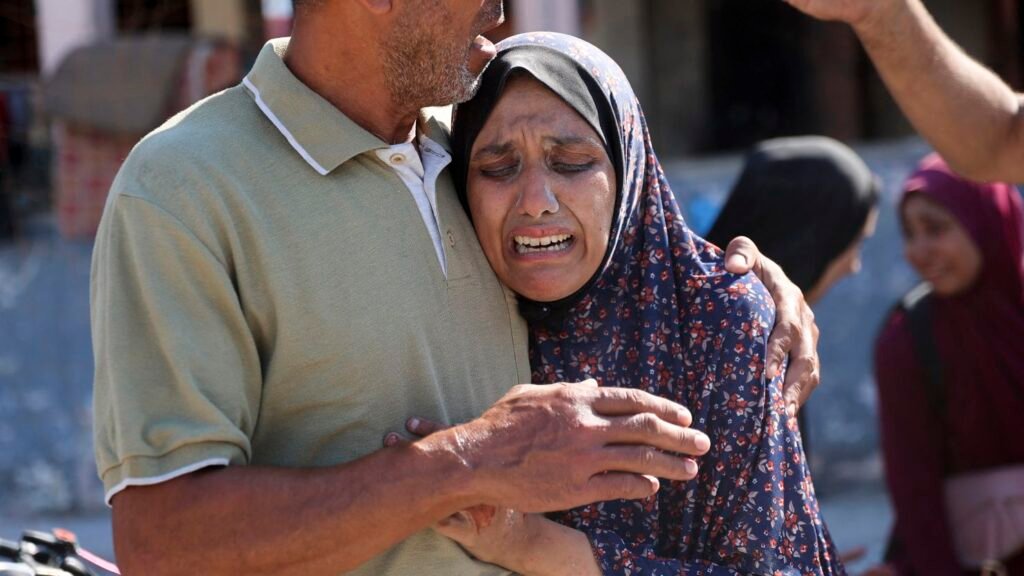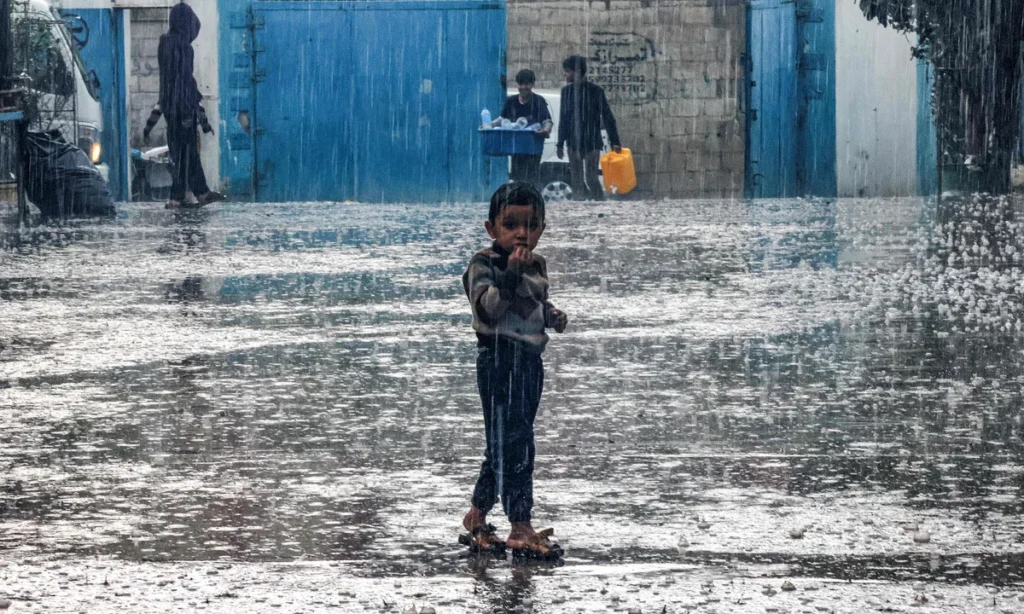
Gaza Herald_ Infants and young children in the Gaza Strip are suffering from extreme cold as freezing winter weather compounds the humanitarian catastrophe caused by Israel’s continued restrictions on aid, a medical relief organization has warned. Doctors Without Borders (MSF) said displaced Palestinian families are enduring heavy rain, strong winds, and low temperatures while living in fragile, makeshift shelters across the devastated enclave.
According to MSF, babies in particular are experiencing severe exposure to cold, placing them at heightened risk of respiratory infections, skin diseases, and other serious health complications. With no adequate protection from the elements, winter has become yet another life-threatening challenge for Gaza’s most vulnerable residents.
Shelter Supplies Deliberately Restricted
MSF said the crisis is being worsened by Israel’s ongoing obstruction and delay of essential shelter materials, including tents, tarpaulins, and temporary housing units. Despite the urgent need, these basic supplies remain largely barred from entering Gaza.
“People are facing torrential rain and heavy winds while living in makeshift shelters,” MSF said, stressing that Israel’s policies are directly preventing families from securing even minimal protection against the cold. Aid organizations say these restrictions are contributing to widespread illness, particularly among children and the elderly.
Aid Blockade and Legal Violations
Israel’s continued blockade of humanitarian aid during its war on Gaza has driven the population into widespread hunger and deprivation. Legal experts have emphasized that these actions violate Israel’s obligations as an occupying power, which is required under international law to ensure the welfare of the civilian population under its control.
The restrictions also contravene the US-brokered ceasefire agreement that came into effect in October, which stipulated that Israel must allow the entry of at least 600 aid trucks per day. Humanitarian agencies report that this commitment has not been met, despite repeated international appeals and warnings from the United Nations.
Crackdown on Aid Organizations
In addition to limiting supplies, Israel has moved to further undermine humanitarian operations by revoking the operating licences of 37 international aid organizations, including MSF and the Norwegian Refugee Council. The decision followed the introduction of new regulations requiring detailed disclosures about staff, funding, and internal operations.
MSF strongly condemned the move, describing it as a deliberate attempt to obstruct lifesaving assistance. The organization said the decision violates international humanitarian law and prevents aid groups from delivering essential medical and relief services to Palestinians in need.
Winter Storms Deepen the Humanitarian Disaster
Israel’s refusal to allow adequate aid into Gaza comes as the territory is battered by fierce winds, heavy rainfall, and freezing temperatures. Hundreds of thousands of families remain displaced after their homes were destroyed, forced to seek refuge in overcrowded tent camps or unsafe structures offering little protection from the elements.
Health workers warn that without immediate access to shelter materials, heating supplies, and medical aid, winter conditions could lead to a sharp rise in preventable deaths, particularly among infants.
Ongoing Attacks Despite the Ceasefire
Meanwhile, Israeli military operations have continued despite the ceasefire. Gaza’s Health Ministry reported that at least 424 Palestinians have been killed since mid-October, with an additional 1,199 wounded in ongoing attacks.
For many in Gaza, the cold, the hunger, and the bombs form a single, unbroken reality. As aid remains blocked and winter tightens its grip, humanitarian groups warn that the suffering of Gaza’s children , especially its newborns, is reaching intolerable and deadly levels.