📅 January 5, 2026
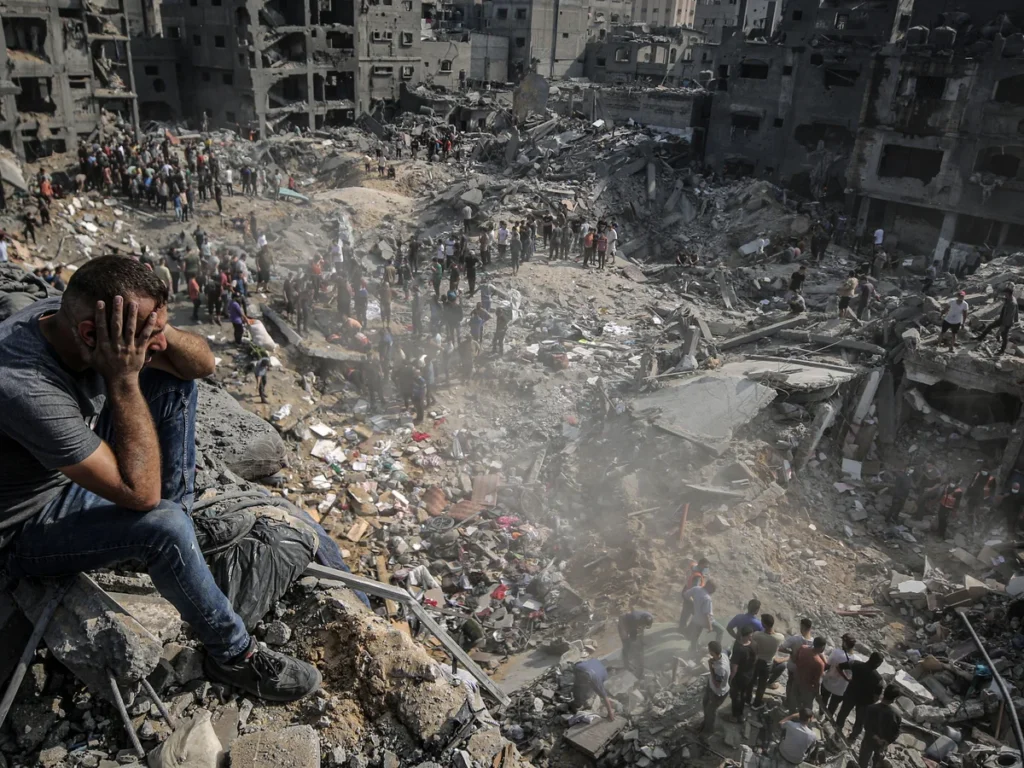
Gaza Herald_As rodents and rats spread rapidly among displacement camps, damaged homes, and streets buried under the rubble of Israel’s war on Gaza, growing numbers of children are showing symptoms consistent with leptospirosis, a bacterial disease transmitted from infected animals to humans through contaminated water.
Although laboratory samples sent by the Palestinian Ministry of Health for external testing have not yet confirmed leptospirosis cases, health professionals are sounding the alarm over the high likelihood of dangerous disease outbreaks. The warnings come amid an unprecedented environmental collapse caused by Israel’s military assault, and compounded by Israel’s continued refusal to allow rodent control materials into Gaza.
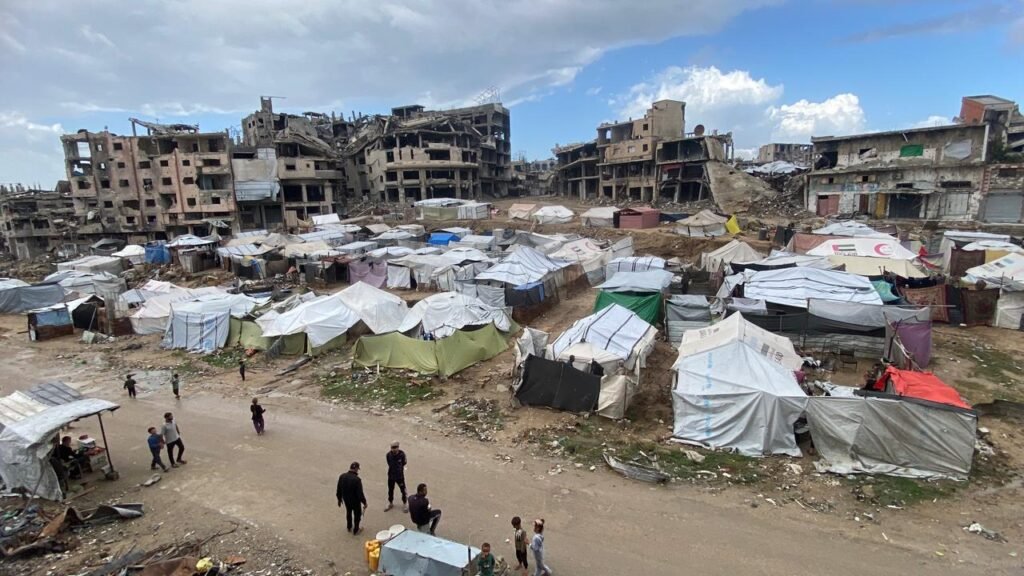
Displaced families living in tents report rats invading their shelters, destroying food supplies, and contaminating bread and basic provisions that are nearly impossible to store safely. With the absence of basic living conditions and rubble surrounding their shelters, residents say they are trapped in an environment that actively breeds disease.
As winter temperatures drop, the crisis has intensified. Heavy rains, untreated sewage, rodent infestations, and flooding have converged, deepening the suffering of families already struggling to survive under siege.
Rising Symptoms and Alarming Health Indicators
In recent weeks, medical teams have observed an increase in severe symptoms among patients, including sudden high fevers, intense headaches, muscle pain, chills, nausea, and redness of the eyes. In some cases, symptoms have escalated to jaundice, affecting both skin and eyes, with patients requiring admission to intensive care units for close monitoring.
Dr. Rami Al-Salout, an internal medicine specialist in Gaza, explained that the territory’s current environmental conditions , including widespread waste accumulation, contaminated water sources, animal waste, and overflowing sewage , create an ideal setting for the spread of infectious diseases.
“These conditions significantly increase the risk of viral infections, respiratory illnesses, gastrointestinal diseases, and hepatitis A,” Al-Salout said.
He added that the danger escalates further due to severe overcrowding in displacement camps and the onset of winter, which accelerates the spread of infections among displaced populations.
Dr. Al-Salout emphasized that many upper respiratory infections share similar symptoms, but when complications arise, patients may develop pneumonia, bronchial infections, or inflammation affecting the brain’s membranes. These cases often require antibiotics, oxygen support, and, in severe situations, intensive care treatment.
He warned that individuals with weakened immune systems, particularly those with chronic illnesses, face heightened risks. The toxicity of certain bacteria or viruses, combined with Gaza’s deteriorated environment, increases the likelihood of serious complications. He urged residents to clean the areas surrounding their tents and avoid exposure to sewage whenever possible — advice that remains nearly impossible to follow under current conditions.
No Pest Control, No Prevention
Environmental health expert Saeed Al-Aklouk, who oversees water and sanitation monitoring at Gaza’s Ministry of Health, warned that the risk of disease transmission from rodents to humans is steadily increasing.
“The war has created a perfect breeding environment for rodents,” Al-Aklouk said. “As long as these environmental conditions persist, the threat of outbreaks remains constant and could erupt at any moment.”
He explained that Gaza lacks advanced laboratory capabilities needed to detect emerging diseases, including DNA-based testing. Existing laboratories are limited to basic screenings, forcing health authorities to send samples abroad , a process now obstructed by the siege and border closures.
Al-Aklouk stressed that the issue is not rubble alone, even though debris now exceeds 60 million tons. The core problem, he said, is Israel’s continued ban on importing pest control materials.
“Israel is preventing the entry of rodent, mosquito, and fly control substances,” he said. “This leaves local authorities completely powerless to contain disease vectors.”
He confirmed that Palestinian institutions, in coordination with UN agencies, have spent more than a month attempting to secure permission to bring in pest control supplies. All attempts have failed. Gaza’s stockpile of insecticides and rodenticides is now entirely depleted, including flea control substances that became widespread during last summer.
Al-Aklouk warned that without immediate intervention, Gaza will remain an open environment for the spread of multiple epidemics, not just one disease, and that each day of delay increases the risk to public health.
A Catastrophic Environmental Breakdown
Al-Aklouk also pointed to disturbing changes in the behavior of rodents and stray animals, noting that they have become increasingly aggressive and have begun attacking people inside displacement camps. Reports of rodent bites inside tents are rising.
He attributed this shift to several factors, including:
•The presence of human remains beneath rubble
•Displaced families living directly within rodent habitats
•Tents erected atop garbage dumps and debris fields
Rubble, he explained, has effectively become an informal waste dump. Around one million tons of garbage are now piled in unprepared areas, while Gaza generates approximately 1,300 tons of waste daily. This refuse is dumped inside neighborhoods, markets, and residential zones, accelerating the spread of rodents and insects.
Al-Aklouk concluded that the absence of comprehensive environmental and health solutions, combined with Israel’s obstruction of pest control supplies, poses a severe threat to public health and pushes Gaza closer to an uncontrolled epidemic.
Municipalities Overwhelmed, Residents at Risk
Alaa Al-Attar, mayor of Beit Lahia, described dire conditions during inspections of makeshift shelters built atop destroyed homes.
“Rodent infestations have reached terrifying levels,” he said, pointing to massive rubble accumulation and sewage flooding streets and displacement camps.
He explained that destroyed homes still contain food remnants, creating an ideal environment for rodents to multiply unchecked. Residents now encounter rats openly in streets and shelters, with droppings contaminating walkways and living spaces.
When rainwater or sewage mixes with this waste, Al-Attar warned, dangerous bacteria form, capable of causing severe skin diseases and infections.
He noted that Beit Lahia, like most municipalities in Gaza, currently has no effective tools to combat rodent infestations. Pesticides and poisons have been unavailable for nearly two years, previously supplied through international organizations now barred from entry.
Despite repeated appeals to relevant authorities, no response has been received.
A Crisis That Fuels Forced Displacement
Al-Attar stressed that Gaza’s worsening environmental disaster is compounded by the absence of laboratory testing capabilities, forcing authorities to send samples abroad, an option no longer viable under current restrictions.
He described how sewage water is being recycled using primitive pumps and discharged into makeshift ponds within residential neighborhoods, creating stagnant water pools that emit foul odors and fuel the spread of mosquitoes, insects, and rodents.
“Beit Lahia, and Gaza as a whole, is experiencing a dangerous environmental collapse,” Al-Attar said. “Without pest control tools or adequate healthcare resources, we are facing widespread outbreaks of infectious and skin diseases.”
Israel, he added, continues to reject any efforts to improve living conditions for more than two million Palestinians in Gaza. By denying services, restricting aid, and maintaining environmental devastation, Israel is deliberately rendering the territory uninhabitable, pushing residents toward forced displacement under the weight of daily survival.