Gaza Herald_As winter tightens its grip, deaths mount and pressure grows on Israel to lift restrictions on humanitarian aid
Gaza has begun 2026 amid renewed bloodshed, worsening humanitarian suffering, and continued Israeli attacks, as international anger intensifies over Israel’s restrictions on life-saving assistance to the besieged Palestinian territory.
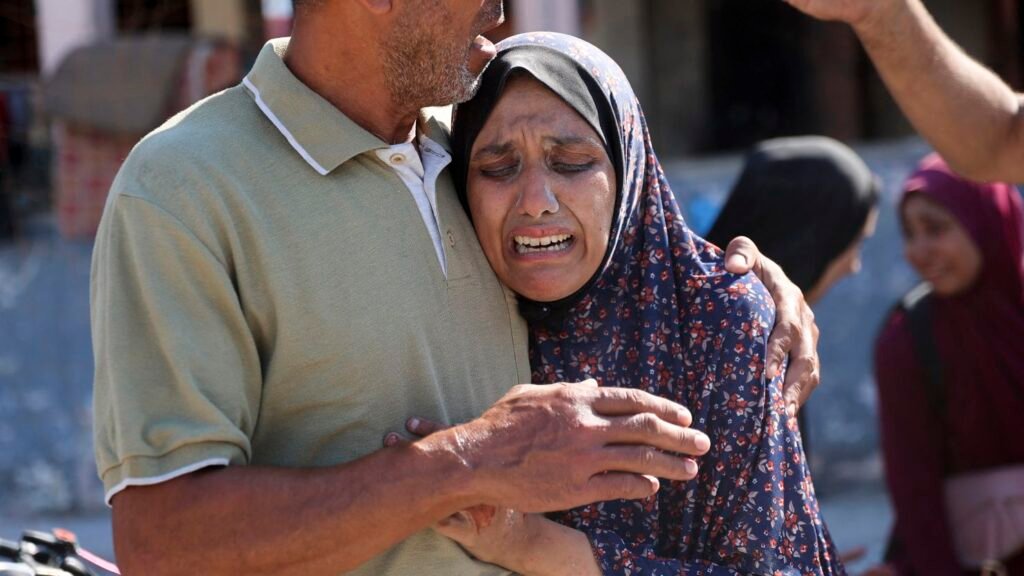
The first days of the year have already been marked by multiple deaths, many of them linked not only to Israeli violence but also to the brutal living conditions imposed by months of siege and destruction.
Death by Fire and Cold in Displacement Camps
On Thursday, a displaced Palestinian grandmother and her young grandson were killed when their tent caught fire near Yarmouk Stadium in western Gaza City. The blaze reportedly started during cooking and rapidly spread due to strong winter winds.
The Palestinian Civil Defence identified the victims as Amal Hamed Abu al-Khair, 65, and her five-year-old grandson Saud Muhammad Abu al-Khair. The child’s father suffered severe burns and remains in critical condition.
In a separate tragedy the same day, another displaced child, Malak Rami Ghneim, died after freezing to death in the Nuseirat refugee area in central Gaza. The child had been living without adequate shelter as temperatures dropped sharply.
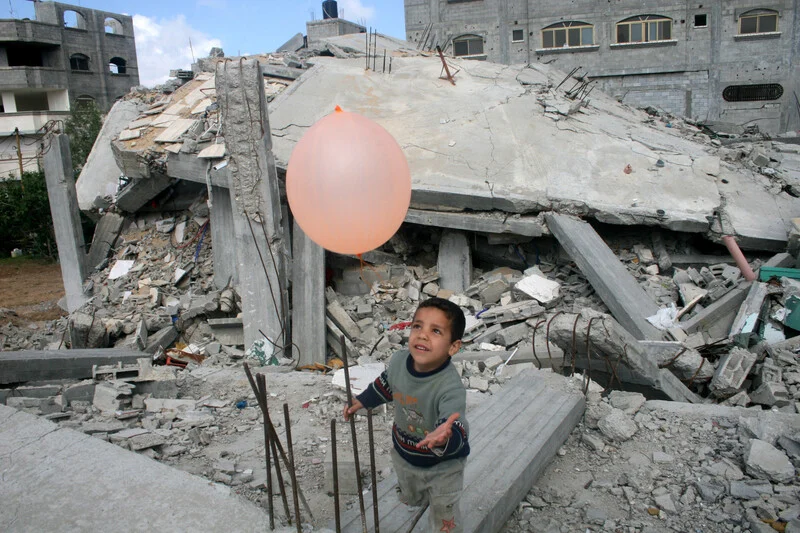
Heavy rainstorms and strong winds over the past week have inundated tents and makeshift shelters across Gaza, compounding already catastrophic living conditions following two years of Israel’s genocidal assault.
Winter Storms Claim More Young Lives
Since the start of the winter season, multiple children have died from exposure to the cold, while more than a dozen Palestinians have been killed when weakened buildings collapsed under storm conditions.
According to the Shelter Cluster, an inter-agency coordination body, more than 42,000 tents and temporary shelters were damaged between 10 and 17 December 2025 alone. Nearly 250,000 people across Gaza were affected during that single week.
As Palestinians struggle to survive the elements, Israeli military attacks across the enclave have not abated. Local media continue to report shelling, gunfire, and air strikes in multiple areas.
Israeli Forces Kill Palestinian Man in Southern Gaza
On Friday, Israeli forces shot and killed a young Palestinian man west of Khan Younis in southern Gaza. Witnesses told Anadolu Agency that the killing occurred outside the military deployment zones outlined under the fragile ceasefire agreement.
Since the truce came into effect in early October, Israel has violated its terms nearly 1,000 times, according to Palestinian monitoring groups.
Over the past two years, Israel’s war on Gaza has killed at least 71,271 Palestinians and wounded more than 171,233 others, devastating the population and erasing entire communities.
Aid Restrictions Deepen Humanitarian Collapse
Alongside the military assault, Israel’s tightening grip on humanitarian access has drawn growing condemnation from international organizations and governments, who warn that Gaza is being pushed toward a “slow death.”
Earlier this week, dozens of aid groups operating in Gaza warned of catastrophic consequences after Israel announced it would ban them from working in the territory.
Doctors Without Borders (MSF), one of 37 organizations targeted, said that denying access to Gaza and the occupied West Bank would leave “hundreds of thousands of Palestinians cut off from essential care.”
“The Palestinian health system is shattered, infrastructure is destroyed, and people are struggling to meet their most basic needs,” MSF said. “What is needed is more aid, not less.”
UNRWA Warns of a Dangerous Precedent
Philippe Lazzarini, commissioner-general of the UN Relief and Works Agency for Palestine Refugees (UNRWA), warned that Israel’s new restrictions on international NGOs are further undermining humanitarian operations in Gaza.
“These measures come at a moment when people in Gaza need more aid simply to survive,” Lazzarini said, adding that they also hinder assistance to Palestinians facing escalating Israeli military and settler violence in the occupied West Bank.
He described the restrictions—introduced alongside Israeli legislation targeting UNRWA—as part of a broader pattern of disregard for international humanitarian law, warning that they set a “dangerous precedent.”
“Allowing political control over humanitarian work undermines the core principles of neutrality, independence, impartiality, and humanity,” Lazzarini said.
Regional and International Pressure Mounts
Eight Arab and Islamic countries, Egypt, Qatar, Jordan, Saudi Arabia, the UAE, Indonesia, Pakistan, and Turkey, issued a joint statement on Friday demanding that Israel allow “sustainable, predictable, and unrestricted” access for humanitarian and rights organizations, especially given the severe winter conditions.
Their call followed a similar statement earlier in the week by 10 major countries urging Israel to lift barriers to aid delivery.
Meanwhile, Palestinians across Gaza face acute shortages of warm shelter, winter clothing, medicine, clean water, and food as a direct result of Israel’s prolonged blockade.
The Gaza-based Government Media Office said Israel continues to violate the ceasefire agreement by failing to allow the entry of 600 aid trucks per day, as stipulated.
Since October, only around 20,000 trucks have entered Gaza out of the agreed 48,000, a shortfall the office warned is pushing the enclave toward “a slow, deliberate death.”