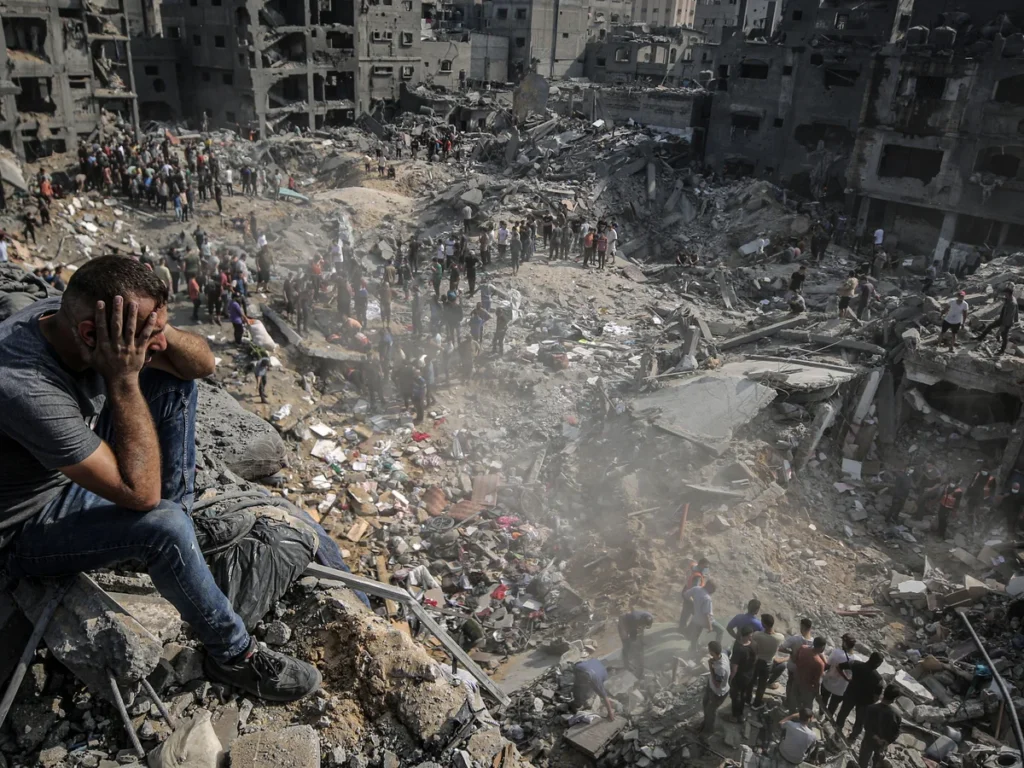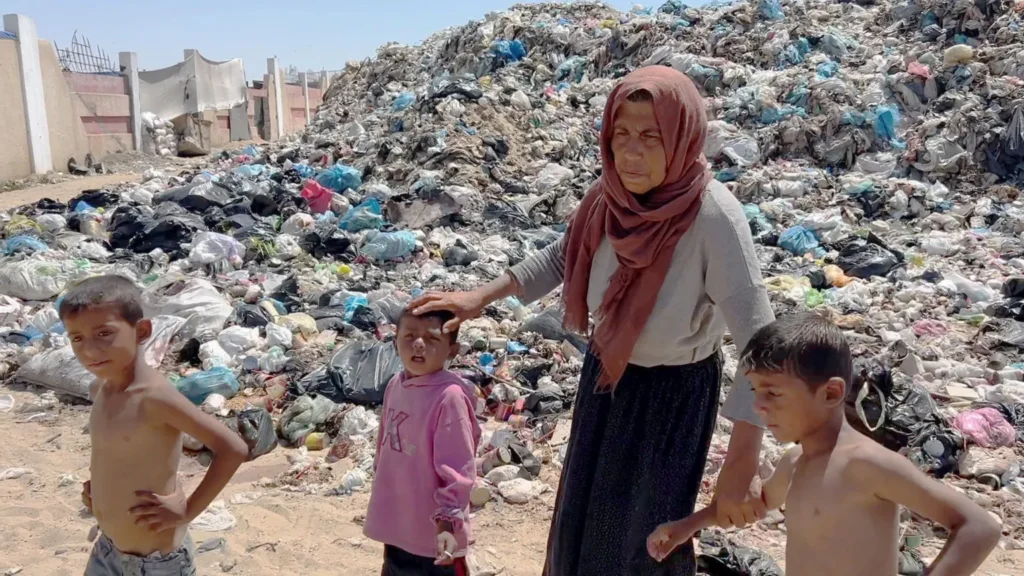
Gaza Herald_Fears are mounting in the Gaza Strip over early signs of a new public health crisis that could further deepen an already catastrophic situation, as unprecedented environmental degradation and severe overcrowding in displacement camps strip residents of even the most basic means of prevention.
Medical sources have warned of the possible emergence of a bacterial disease known as leptospirosis, linked to the spread of rodents and widespread water contamination in rain-flooded displacement areas. The concern is that the disease could turn into a large-scale outbreak, particularly among children and other medically vulnerable groups.
These warnings come at a time when Gaza’s healthcare system is unable to conduct proper diagnosis or treatment, due to the destruction of medical facilities and the severe shortage of laboratory equipment. This collapse significantly increases the risk of an uncontrolled outbreak and underscores the urgent need for immediate international intervention to prevent another humanitarian disaster.
Medical Officials Warn of a Potential Outbreak
Dr. Bassam Zaqout, Director of Medical Relief in Gaza, has warned of serious and growing concerns over the possible emergence of a new epidemic in the Strip, citing the sharp deterioration of health and environmental conditions and the widespread presence of rodents among the tents of displaced families.
Zaqout stated that medical teams are monitoring alarming indicators pointing to the potential spread of leptospirosis, an infectious disease transmitted to humans through contact with the urine of rats and other rodents, whose numbers have increased dramatically in densely populated displacement areas.
He explained that the risk of infection rises sharply when contaminated rainwater and floodwater mix with rodent waste, particularly when the bacteria enter the body through cuts or cracks in the skin.
Children Most at Risk
According to Zaqout, children are the most vulnerable group, especially those who play barefoot in contaminated water inside displacement camps that lack sanitation, drainage systems, or basic protective measures.
He added that medical teams, in coordination with the World Health Organization, have collected samples from suspected cases and sent them to laboratories outside Gaza, due to the absence of functioning local laboratory capabilities following the extensive destruction of the health infrastructure during the ongoing war.
Siege and Overcrowding Fuel the Threat
Zaqout stressed that the continued blockade, combined with the forced concentration of hundreds of thousands of displaced people in unsafe and unsanitary conditions, significantly increases the likelihood of disease outbreaks.
He emphasized that Gaza is facing a compound health crisis that requires immediate and decisive international action to prevent a new epidemic from taking hold.
What Is Leptospirosis?
Leptospirosis is a bacterial disease known since the late nineteenth century and has historically been associated with poor sanitary conditions, floods, wars, and natural disasters.
It is caused by spiral-shaped bacteria found in the urine of infected animals, most notably rats and rodents, earning it earlier names such as “swamp fever” and “sewer disease.”
The disease is transmitted to humans through contact with water or soil contaminated with rodent urine, particularly when the bacteria enter through open wounds, skin abrasions, or mucous membranes.
While leptospirosis is not usually transmitted from person to person, it spreads rapidly in overcrowded displacement settings, where floodwater mixes with sewage and basic hygiene measures are absent.
Symptoms and Dangers
Symptoms typically appear within five to fourteen days and often resemble those of influenza in the early stages, including fever, headache, muscle pain, fatigue, and redness of the eyes.
In more severe cases, the disease can progress to jaundice, liver and kidney failure, internal bleeding, or respiratory distress, making it potentially fatal if not diagnosed and treated early.
Children and immunocompromised individuals face the highest risk, especially in environments marked by the collapse of healthcare systems and widespread rodent infestation. For this reason, leptospirosis is considered a serious indicator of broader public health deterioration and requires urgent preventive measures before it escalates into a widespread epidemic.
A Preventable Disease in an Unpreventable Reality
Leptospirosis is more common in settings characterized by environmental and health breakdown, such as flood-prone areas, sewage overflow, rodent proliferation, and weakened public sanitation systems. These conditions are now pervasive in Gaza’s displacement camps as a result of prolonged bombardment, siege, and infrastructure collapse.
Although the disease is treatable with antibiotics and early diagnosis is key to preventing complications, severe cases require hospitalization and intensive care, services that Gaza’s shattered healthcare system is currently unable to provide.
In the present reality of Gaza, the threat of leptospirosis is not merely a medical concern; it is a direct consequence of sustained war, blockade, and the denial of basic humanitarian protections, placing an already traumatized population at risk of yet another preventable catastrophe.