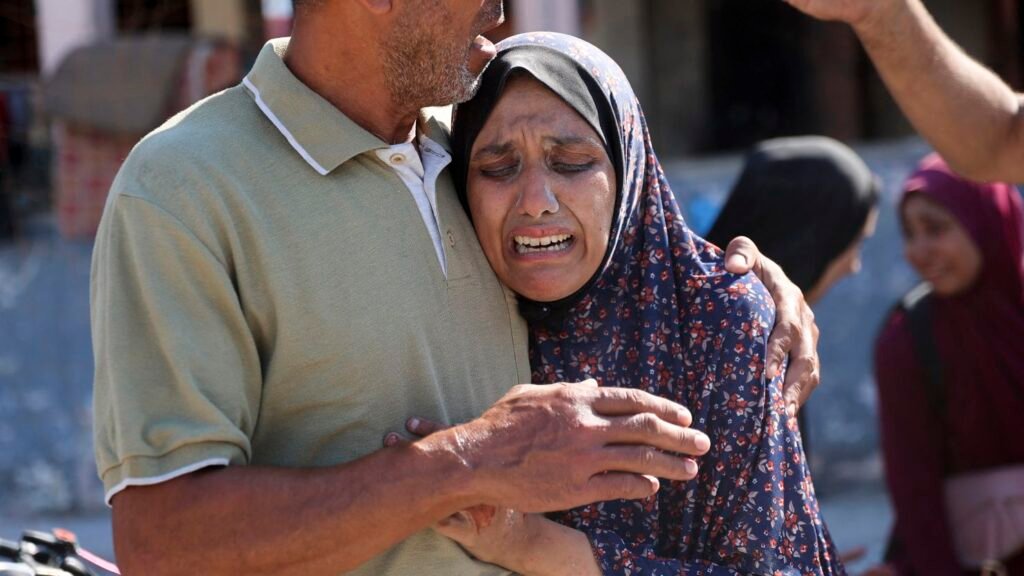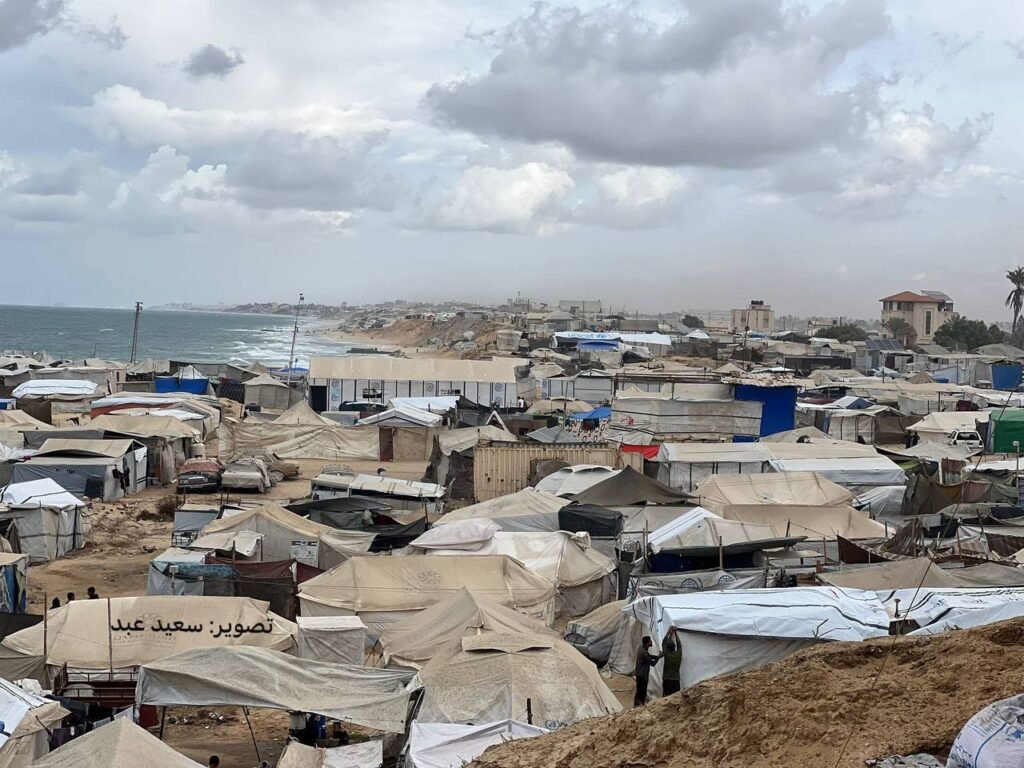
Gaza Herald — The humanitarian crisis in Gaza has deepened as the territory experiences its first winter storm of the season, compounding the suffering of thousands of families already devastated by two years of relentless Israeli attacks. UNICEF reports that at least 17,000 families have been directly affected by flooding and heavy rainfall, a stark reminder that the people of Gaza face danger not only from bombs but from the elements themselves.
UNICEF spokesperson Ricardo Pires described the scene as “heartbreaking,” noting that many families have been displaced repeatedly over the last two years, losing all their possessions and homes in the ongoing conflict. “These are families who have endured the unimaginable. Now, they face winter storms with flooded tents, minimal shelter, and children exposed to life-threatening conditions,” Pires said.
Children at the Center of the Crisis
The most vulnerable victims of this compounded crisis are Gaza’s children. Many are sleeping in waterlogged tents without blankets or warm clothing, malnourished, and suffering from chronic illness due to years of blockade and conflict. With very low immunity, children are at high risk of hypothermia, respiratory infections, and other preventable illnesses that winter can intensify.
“Winter becomes deadly for children in these conditions,” Pires warned. “Imagine sleeping in flooded tents, in temperatures that drop at night, with limited access to food or medicine. Many of these children have already witnessed trauma that no child should ever face: the deaths of family members, the destruction of their homes, and the constant threat of bombings.”
According to UN reports, more than 69,000 Palestinians have been killed since October 7, 2023, and over 170,000 injured, including tens of thousands of children. For these children, displacement is not a temporary disruption; it is a daily reality that defines their childhood, their health, and their future.
The Collapse of Gaza’s Infrastructure
The flooding comes as Gaza’s infrastructure continues to collapse under the weight of repeated Israeli airstrikes and the ongoing blockade. Homes, schools, and hospitals remain partially destroyed, and electricity is rationed for only a few hours a day in many areas. Water and sanitation systems are failing, and the arrival of winter storms threatens to trigger widespread contamination and outbreaks of disease.
Families displaced by repeated airstrikes are forced to shelter in makeshift tents in open areas, where even minor rainfall quickly turns living spaces into muddy, flooded pits. Many of these shelters, already fragile from previous storms, have collapsed, leaving thousands without protection from the cold or wet conditions.
Local hospitals, already operating at minimal capacity, are overwhelmed by the number of patients seeking treatment for injuries, disease, or waterborne infections. Reports from Nasser Hospital in Khan Younis indicate that doctors are unable to provide basic care, and essential medicines are in critically short supply. Children with chronic illnesses, like diabetes or heart conditions, are particularly at risk as hospitals struggle to maintain oxygen, dialysis, and other essential treatments.
Stories of Desperation
For families like the Abu Zaid family in Khan Younis, the flooding is just the latest of many crises. Baraa Abu Zaid, once a mother of three, lost two of her children in a drone strike on their tent. Her surviving son, Obaida, was critically wounded and died waiting for medical evacuation through the Rafah crossing, which Israel continues to keep sealed despite international agreements and ceasefire terms.
“I feel every day that my end is near,” Abu Zaid told Middle East Eye. “My wounds are becoming infected, and there is no medicine. Every day is a struggle to survive, and my child is gone because help never came in time.”
Other families describe similar hardships: tents submerged in water, possessions destroyed, and children shivering through the night. Humanitarian organizations report that these conditions are creating secondary trauma, with children exhibiting severe stress, anxiety, and depression alongside physical health risks.
Humanitarian Aid Blocked and Mismanaged
The crisis has been worsened by restrictions on humanitarian aid. Relief organizations attempting to bring tents, warm clothing, blankets, and food into Gaza face repeated delays or outright bans from Israeli authorities. While aid occasionally reaches certain areas, much of it is diverted or stolen by militias operating under Israel’s watch, leaving the most vulnerable families without assistance.
UNICEF has repeatedly called for immediate action to deliver aid to affected families, but political restrictions and bureaucratic delays continue to prevent timely distribution. “Every day that passes without assistance is another day of suffering,” Pires said. “Children are dying from preventable causes, and families are losing hope.”
The Political and Military Context
The flooding in Gaza cannot be seen in isolation. The ongoing Israeli occupation, repeated airstrikes, and blockade have systematically dismantled the territory’s ability to respond to natural disasters. Reconstruction machinery has been targeted or blocked, and aid promised under ceasefire agreements has often been delayed or denied.
Meanwhile, Israel continues to carry out air raids, maintain strict control over crossings, and impede the movement of medical personnel and humanitarian workers. Analysts argue that this strategy is not merely about military objectives; it is part of a broader system designed to weaken Palestinian society, perpetuate dependence on external aid, and limit the possibility of rebuilding independent infrastructure.
Urgent Calls for International Intervention
Humanitarian organizations stress that immediate international action is needed to prevent further deaths and suffering. Emergency shelter, clean water, medical supplies, and access to food are critical for tens of thousands of families facing winter floods.
“The international community cannot stand by while families are left to drown in their own homes or freeze in tents,” Pires said. “Every child in Gaza deserves protection, warmth, and care. Without swift intervention, more will die, die children first, because they are the most vulnerable.”
For Gaza’s residents, the winter is not just a season; it is a new front in a war they did not choose, against both human-made and natural catastrophes. Families wait in flooded tents, children sleep shivering, and hope becomes ever more fragile. Unless the world steps in decisively, the winter months could prove catastrophic for the most vulnerable in Gaza.