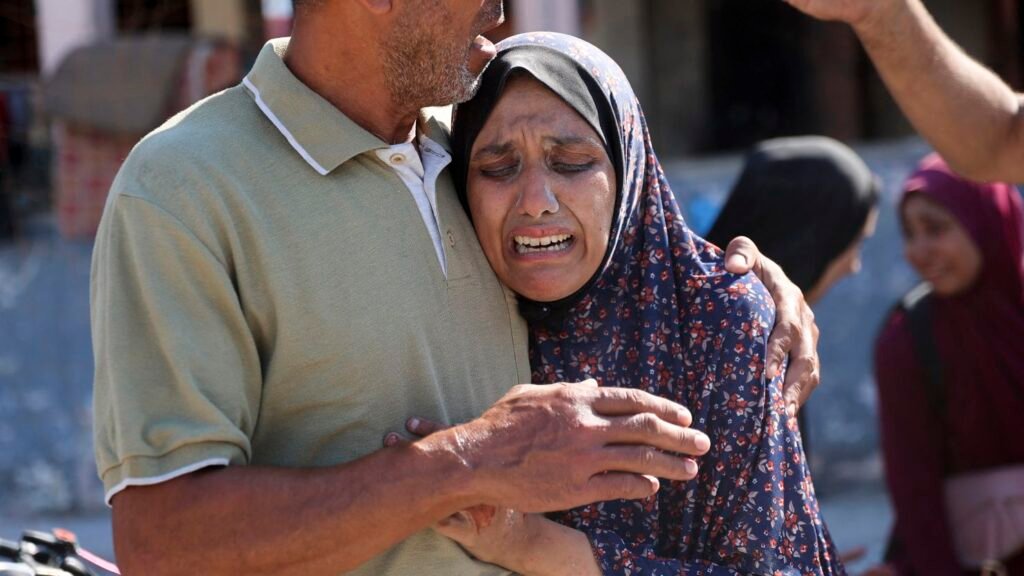
Gaza Herald_ Over 288,000 Palestinian families in Gaza are facing an unprecedented shelter crisis as Israeli restrictions on humanitarian aid continue to worsen conditions for those displaced by the ongoing war, the territory’s Government Media Office reported.
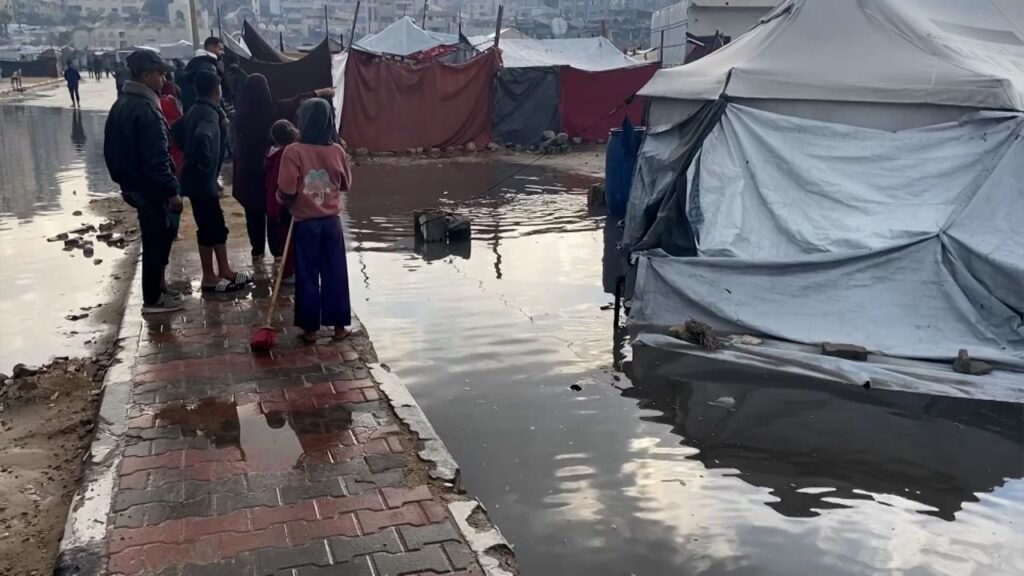
Authorities said in a statement on Monday that heavy rainfall in recent days flooded tens of thousands of makeshift tents across Gaza, leaving families enduring conditions that “no society can withstand.” The statement described the situation as “the most dangerous humanitarian disaster” since the outbreak of the war, accusing Israel of “deliberately intensifying the catastrophe” through its blockade of essential shelter materials.
“We condemn this ongoing crime by the Israeli occupation against civilians,” the statement read. “The occupation bears full responsibility for the suffering of hundreds of thousands of displaced people forced to endure winter without safe shelter or basic services and for obstructing the entry of critical materials for survival.”
The flooding began on Thursday with the first winter storm of the season. The United Nations confirmed that more than 13,000 households were affected within hours, and conditions worsened in the following days as rain continued, overwhelming the worn and fragile tents that had sheltered displaced families for nearly two years. Many displacement camps are located at lower elevations, leaving them especially vulnerable to flooding as water rushes in from surrounding areas.
Israeli Blockade Continues
Gaza authorities said the territory requires at least 300,000 tents and mobile homes to meet basic shelter needs, a number they have stressed for months. Despite a ceasefire that took effect on October 10, Israel has continued to block their entry.
More than 80 percent of Gaza’s buildings have been damaged or destroyed during the war, according to UN assessments, forcing widespread displacement. Human rights experts have noted that the scale of destruction, combined with ongoing restrictions, constitutes acts that meet the United Nations’ definition of genocide, including “deliberately inflicting on a group conditions of life calculated to bring about its physical destruction in whole or in part.”
On Monday, the Government Media Office accused Israel of continuing its “policy of obstruction,” preventing the entry of tents, tarps, and other shelter materials while keeping border crossings closed, in violation of the humanitarian protocol signed as part of the ceasefire.
COGAT, the Israeli agency responsible for coordinating aid deliveries, has repeatedly rejected claims that it is restricting humanitarian supplies. Meanwhile, UNRWA head Philippe Lazzarini described the situation as “misery on top of misery,” warning that Gaza’s fragile shelters “quickly flood, soaking people’s belongings.”
UNRWA confirmed that it has sufficient supplies in Jordan and Egypt to fill 6,000 trucks, including enough food to sustain Gaza’s population for three months. Yet restrictions mean only about half of the 500 to 600 required daily aid trucks are entering the territory. The agency also reported that basic school supplies such as pens and notebooks remain barred under Israeli import rules.
Aid groups warned in early November that roughly 260,000 families, nearly 1.5 million people, remain highly vulnerable as winter approaches. UNRWA official Natalie Boucly said Israel is violating international humanitarian law by maintaining these restrictions, citing the Fourth Geneva Convention and a recent International Court of Justice ruling requiring Israel to ensure Palestinians have access to essential supplies. British Foreign Secretary Yvette Cooper, during a visit to aid warehouses in Jordan, said Israel has “no excuse” for delaying humanitarian aid.
Restrictions are Deliberately Political
Professor Mukesh Kapila of the University of Manchester described the blockade as a deliberate political strategy rather than a logistical issue. “Accessing Gaza is one of the easiest areas for humanitarian delivery, so these restrictions are entirely political,” he said. “It is a strategy to pressure Hamas over hostages and disarmament, but it significantly increases the suffering of ordinary people in Gaza.”
The Government Media Office urged United States President Donald Trump and the countries mediating the ceasefire to take “immediate and serious action to ensure the occupation complies with the humanitarian protocol it signed.”
According to Gaza’s Ministry of Health, at least 266 people have been killed since the truce began, with Israeli strikes continuing almost daily even in areas from which troops were supposed to withdraw.