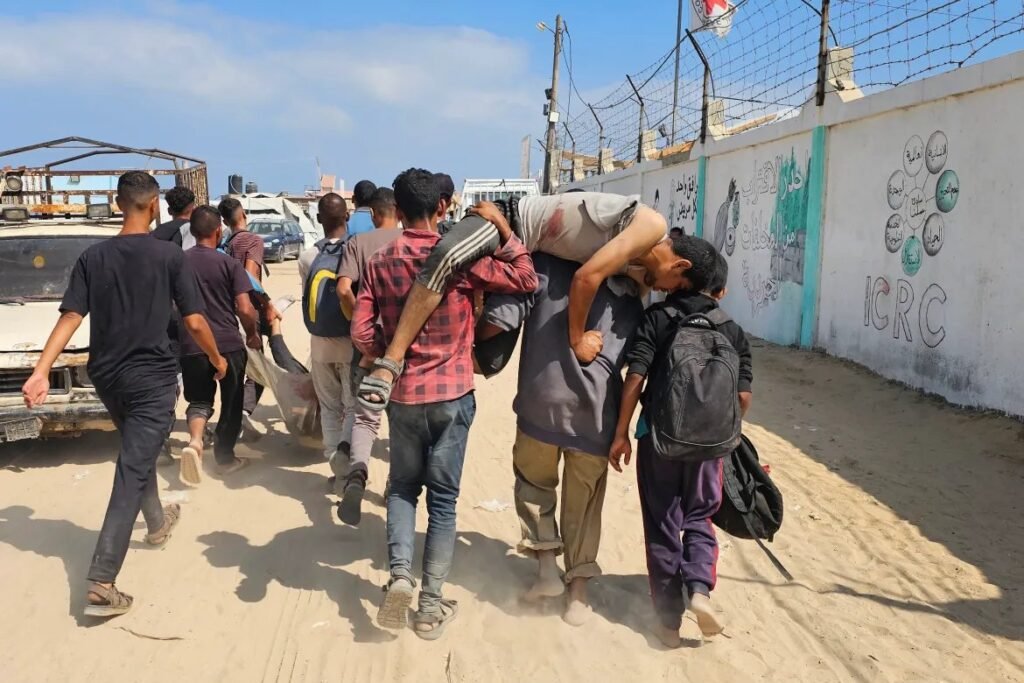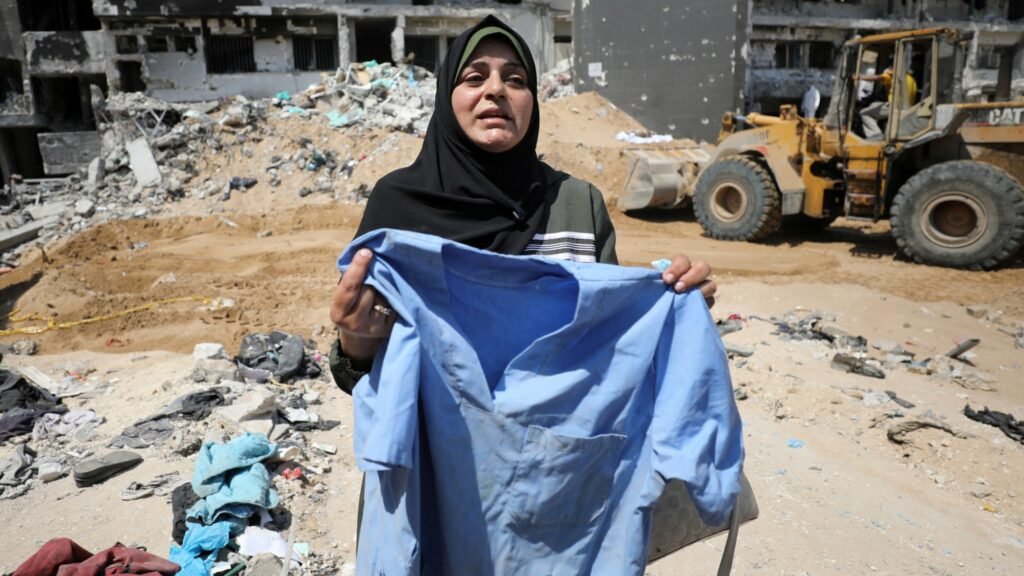
GazaHerald – Two years into Israel’s genocidal war on Gaza, the enclave’s health sector stands as one of the most devastating symbols of destruction and suffering. Once a fragile but functioning network of hospitals, clinics, and emergency services, Gaza’s healthcare system has been systematically dismantled through bombing, blockade, and the deliberate targeting of medical workers.
In an urgent appeal to preserve what is left of the health system in the Gaza Strip, the Palestinian Ministry of Health in Gaza issued a warning on October 7 that the “pillar of human existence” in Gaza would completely and purposefully collapse. It said the assault on healthcare has gone far beyond the bounds of a humanitarian crisis, amounting instead to a “health genocide.”
Catastrophic Loss of Life and Medical Infrastructure
According to the Ministry, the total number of Palestinians killed since the war began has reached 67,173, with another 169,780 wounded. Among them are 20,179 children, 10,427 women, 4,813 elderly people, and 31,754 men.
The toll on the medical community itself has been staggering: 1,701 doctors, nurses, and paramedics have been killed, while 362 have been arrested under conditions of forced disappearance and deprivation of basic rights.
The destruction of infrastructure is near total. Twenty-five of Gaza’s 38 hospitals are out of service, while the remaining 13 function only partially and under extreme conditions. Of 157 primary healthcare centers, 103 have been destroyed, leaving just 54 partially operational.
The ministry said that 25 of the 35 oxygen-generating stations and 61 of 110 electrical generators have been obliterated, crippling hospitals’ ability to provide even basic care amid constant power outages.
The collapse has been compounded by the Israeli blockade, which continues to block medical and humanitarian supplies. According to the ministry, 55 percent of essential medicines, 66 percent of medical supplies, and 68 percent of laboratory materials have run out.
The hospital bed occupancy rate reached a catastrophic 225 percent by the end of September, nearly triple last year’s figure, forcing patients to be treated on floors, in corridors, and even outdoors.
The World Health Organization reports that Gaza’s hospitals are operating far beyond capacity, overwhelmed by mass casualties and displaced civilians seeking shelter. Airstrikes, the lack of fuel, and the absence of water and food have pushed the system beyond collapse.
Famine, Disease, and the Humanitarian Toll
Famine and disease now stalk the Strip. The ministry said that at least 460 people have died from hunger and malnutrition, including 154 children, while more than 51,000 children under the age of five suffer from severe malnutrition.
Overcrowding in makeshift shelters has accelerated the spread of disease and deprived families of clean water and sanitation. Childhood vaccination rates have dropped to 80 percent amid bans on vaccine imports and the suspension of preventive campaigns, including polio immunizations.
The Ministry also documented 4,900 cases of amputations and disabilities requiring assistive devices and long-term rehabilitation, care that Gaza’s shattered system can no longer provide. Meanwhile, 18,000 patients, including 5,580 children, have been denied travel abroad for treatment due to Israel’s closure of all crossings.
Despite the immense suffering and danger, Gaza’s remaining medical staff continue to work under fire, with little food, no rest, and constant fear for their lives. Their commitment, the ministry said, embodies both humanitarian duty and national resilience.
These statistics, equating to the loss of 70 healthcare professionals every month, reveal what UN experts have described as “medicide,” the systematic killing of healthcare itself.
An independent UN Commission of Inquiry has determined that these actions amount to the crime against humanity of extermination. Almost every hospital in Gaza has been attacked; none remain fully functional.
The surviving doctors and nurses are exhausted, traumatized, malnourished, and often displaced from their own homes. They struggle to tend to waves of patients and mass casualties, as Israel’s bombs continue to fall and as aid is choked off at the borders.
Two years on, Gaza’s hospitals, once sanctuaries of life, have become ruins and graveyards. The deliberate destruction of healthcare in Gaza is not collateral damage; it is the calculated dismantling of a people’s capacity to live, heal, and survive.