Gaza Herald — An international fleet of boats is preparing to set sail for Gaza in what organizers say will be the largest maritime effort yet to challenge Israel’s blockade and deliver humanitarian supplies to Palestinians facing starvation.
The Global Sumud Flotilla, involving more than 50 vessels and delegations from 44 countries, is scheduled to depart from Spanish ports on Aug. 31. A second wave of ships will leave Tunisia on Sept. 4, with the convoys expected to join at sea before heading toward Gaza.
Organizers call it the largest mission of its kind
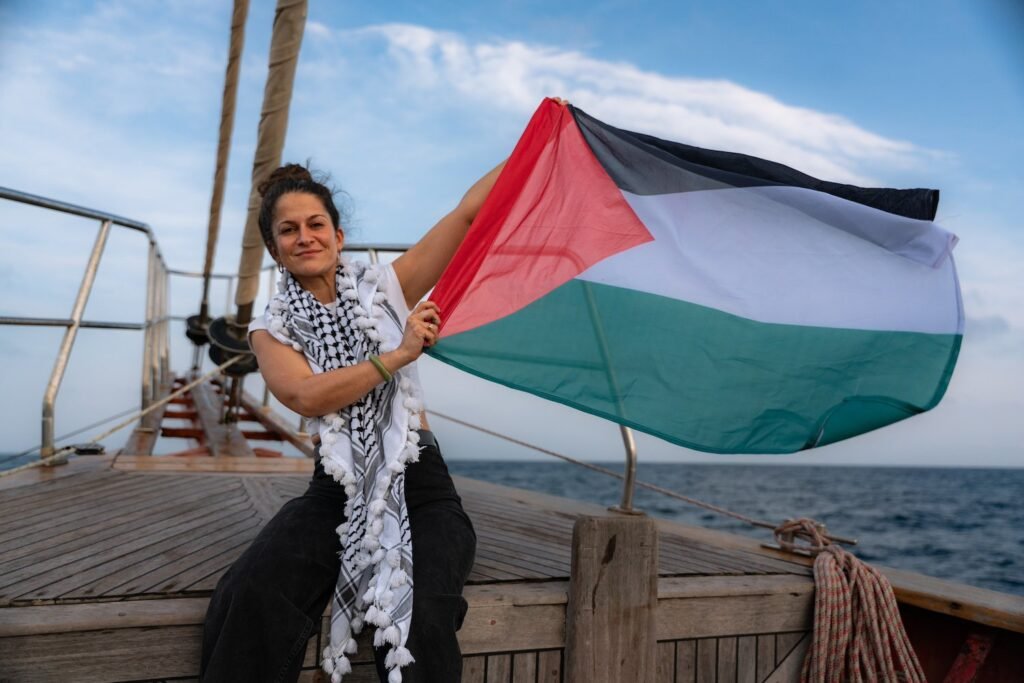
Activists describe the mission as a nonviolent show of solidarity and a direct response to Israel’s restrictions on food, medicine, and aid entering Gaza. Participants include doctors, seafarers, humanitarian workers, and activists from six continents.
Organizers say the groups are unaffiliated with governments or political parties. “This flotilla is a civil society initiative to break an illegal blockade and bring relief to the people of Gaza,” said spokesperson Saif Abukeshek at a press briefing in Barcelona.
Details withheld for security reasons
The exact list of participating ships and departure ports has been kept confidential. Organizers say the secrecy is necessary due to past Israeli efforts to sabotage flotilla missions.
The convoy is expected to cover about 3,000 kilometers (1,620 nautical miles) over seven to eight days, depending on sea conditions.
Why aid by sea?
A flotilla is a group of vessels sailing together to deliver supplies when traditional routes are blocked. Israel has tightly controlled Gaza’s borders since 2007, sealing off the enclave by land, air, and sea.
Gaza has had no functioning airport since Israeli forces bombed the Yasser Arafat International Airport in 2001. With land crossings restricted and air transport impossible, flotillas have become a symbolic and practical way to deliver aid.
A history of flotillas to Gaza
Maritime efforts to reach Gaza have a long and contested history.
In 2008, two boats from the Free Gaza Movement successfully reached the coast, marking the first breach of the naval blockade. Between 2008 and 2016, the movement launched 31 boats, five of which made landfall.
The most high-profile mission was the 2010 Gaza Freedom Flotilla, when Israeli commandos raided the Mavi Marmara in international waters. The assault killed 10 activists and wounded dozens, triggering international condemnation.
Subsequent flotillas in 2011, 2015, and 2018 were all intercepted. In recent months, three separate flotilla missions in 2025 were also stopped by Israeli forces.
In May, the Conscience was struck by drones off Malta, forcing 30 Turkish and Azeri activists to fight to keep the ship afloat.
In June, the Madleen was intercepted 185 kilometers from Gaza.
In July, the Handala was boarded by Israeli troops while carrying humanitarian supplies.
Symbolic act as crisis deepens
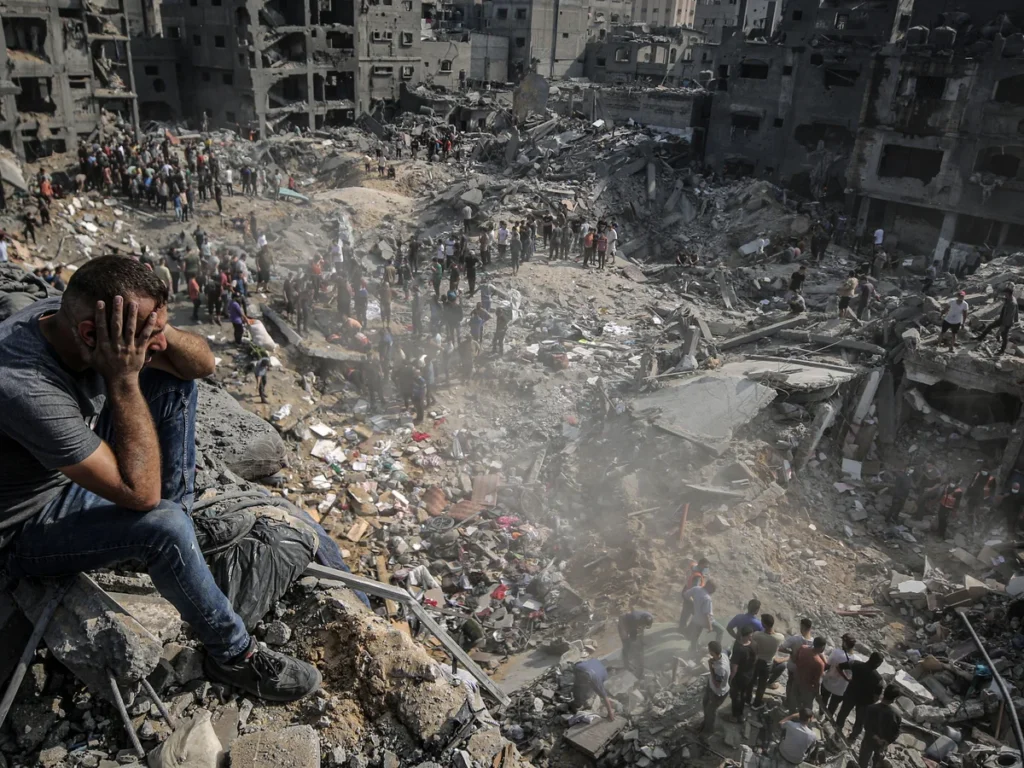
The Global Sumud Flotilla comes as Gaza’s humanitarian emergency worsens. Aid agencies warn of widespread hunger, disease and the collapse of health services.
Organizers say their goal is not only to deliver aid but also to send a political message: that the siege of Gaza is untenable and must end.
“This is about more than supplies,” Abukeshek said. “It’s about breaking the silence and standing with Gaza.”