Gaza Herald- In recent years, private consulting companies have increasingly entered the humanitarian sector, promising efficiency and innovation. Yet, their lack of emergency relief expertise often raises doubts about whether they can serve affected communities effectively. The crisis in Gaza has now provided one of the clearest and most troubling examples of how such involvement can go wrong.
In June, revelations emerged that Boston Consulting Group (BCG), one of the world’s largest corporate consultancies, played a central role in creating the Gaza Humanitarian Foundation (GHF), a US- and Israeli-backed initiative meant to distribute aid to Palestinians. Initially praised by US officials as a streamlined solution after a three-month Israeli blockade, the foundation quickly came under fire. Its model and practices drew condemnation from the United Nations, with Secretary-General Antonio Guterres describing the system as “inherently unsafe.”
BCG’s work went far beyond logistical advice. The firm proposed “relocation packages” of around $9,000 per person, targeting over half a million Palestinians for voluntary emigration. Critics argued that this transformed what was presented as humanitarian relief into a mechanism for large-scale population transfer—seen by many as ethnic cleansing. This approach also risked undermining the United Nations Relief and Works Agency by replacing essential services with a relocation agenda. Before shifting to GHF, BCG had pitched other models for Gaza to the UN.
The GHF’s backers included a web of private companies and non-profits. Orbis Operations, a private security firm linked to McNally Capital, helped establish GHF. McNally Capital, through a Wyoming trust, owns Safe Reach Solutions, which managed GHF’s operations in Gaza. The Trump administration invested $30 million into the project. BCG was brought in by Orbis but later withdrew amid mounting criticism.
The foundation’s actual aid system was limited to four distribution points for over two million residents. These quickly became dangerous sites. Since May, more than 1,000 Palestinians have been killed near GHF locations while trying to obtain food. Reports and videos documented Israeli forces using pepper spray and violence against desperate civilians, including women and children. Far from being centers of relief, the sites turned into deadly traps.
Although BCG left the project and two senior executives resigned, the firm’s role in shaping GHF raised fundamental questions. Why entrust critical humanitarian work to a company trained to prioritize profit and efficiency over empathy and local understanding? Consulting culture tends to minimize historical and social realities, yet in Gaza such context is essential. The problem is not only about whether such firms are capable, but whether they should be allowed to influence aid strategies at all.
BCG’s partnership with the Tony Blair Institute for Global Change (TBI) revealed further troubling motives. Together, they explored a postwar vision of Gaza as a commercial hub. Internal documents estimated that relocating Palestinians would cost $5 billion, but argued it would save $23,000 per person removed. While TBI denied endorsing these proposals, the material was prepared by BCG and included input from Israeli business interests.
On the ground, the humanitarian cost has been severe. Anthony Aguilar, a retired US special forces officer who worked with GHF, accused Israeli troops and contractors of using “indiscriminate and unnecessary force” against civilians. He described GHF as “amateur” and “criminal,” charges dismissed by the foundation as the complaints of a disgruntled ex-employee.
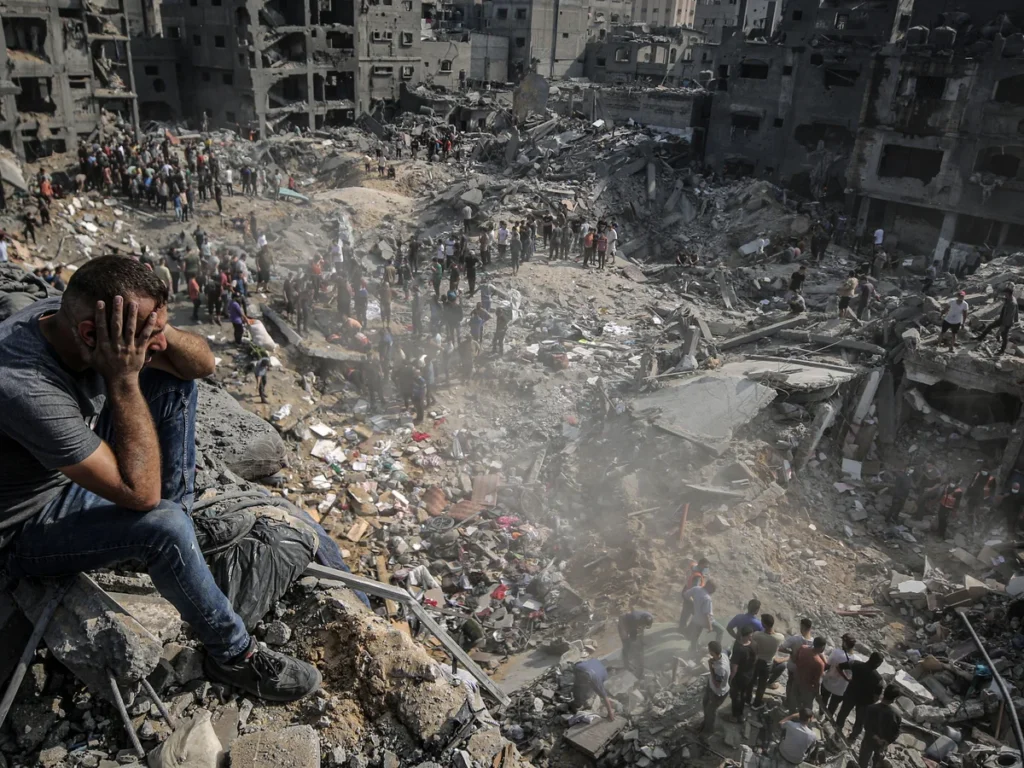
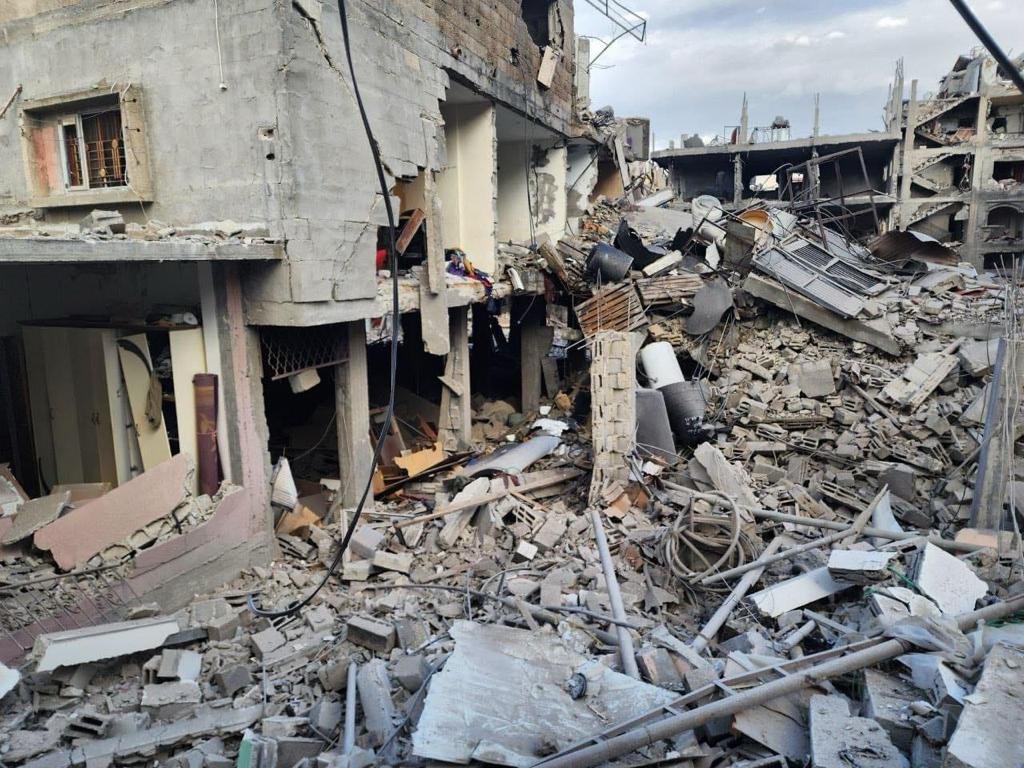
Israel’s actions in Gaza, over 60,000 deaths according to local health authorities, alongside massive destruction have led many observers to believe there is an intent to make the territory uninhabitable. When BCG proposed “voluntary” departures, it risked being seen as enabling that aim, potentially making the firm complicit in war crimes and crimes against humanity. This legal and reputational danger may have contributed to its decision to withdraw.
The GHF debacle underscores the dangers of outsourcing humanitarian responsibility to corporate entities whose core mission is profit-making. War zones demand specialized expertise, historical awareness, and a commitment to human dignity qualities that cannot be reduced to cost-benefit models. The involvement of consulting firms, private equity interests, and certain non-profits in Gaza’s failed aid experiment should prompt a reassessment of who is qualified to intervene in complex crises. Without drawing clear moral boundaries, future humanitarian efforts risk repeating the same catastrophic mistakes.